Dogs
Potentially toxicConsulted references classify the plant as toxic or irritating for that pet type.
Verified against ASPCA/provenance audit 2026-05-06 on May 6, 2026.
Sources
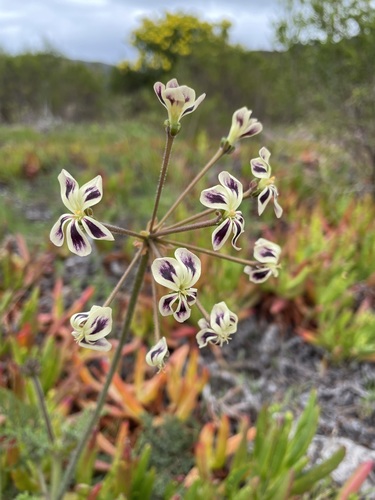
Pelargonium sp.
Scented geraniums are popular aromatic houseplants known for their fragrant foliage and clusters of small flowers. While prized for their scent, they contain essential oils that can cause irritation if ingested by pets.
Safety status
Dogs
Potentially toxicConsulted references classify the plant as toxic or irritating for that pet type.
Verified against ASPCA/provenance audit 2026-05-06 on May 6, 2026.
Sources
Scented geranium is mildly toxic to dogs. Pet Poison Helpline classifies the toxicity as mild — the geraniol and linalool oils that scent the plant cause GI upset and sometimes a skin rash, but reactions are usually short-lived. A determined chewer is more likely to throw up than to need a hospital visit.
Vomiting and diarrhea are the headline signs, often with reduced appetite and a tired, lethargic stance. Some dogs develop a contact rash on the muzzle or paws after pushing through the foliage. Sustained drooling without vomiting is less typical here than for other toxic plants.
Vomiting typically begins within a few hours and most dogs are back to normal within 24 hours. Dermatitis from contact tends to peak the next day and clears over several days.
Call your vet if vomiting persists past a couple of hours, your dog can't keep water down, or appetite hasn't returned within a day. A spreading or weeping skin rash is also worth a call. Reach out sooner for puppies or small breeds, who dehydrate faster.
Sources: ASPCA, Pet Poison Helpline (no specific first-aid guidance).
If a pet has chewed or swallowed plant material and is showing symptoms, contact a veterinarian or poison resource immediately. This product is for structured reference, not diagnosis.
Dogs — concern notes
Common signs
Vomiting, loss of appetite, and lethargy.
Escalation note
Symptoms are generally mild but can cause discomfort. Consult a veterinarian if you suspect your dog has ingested the plant to ensure proper monitoring.
Safer alternatives
No hand-picked alternatives for this plant yet. You can still pick your own using the Compare button on any other plant.
ASPCA Toxic Plant List
toxicology · 99% reliability
Geranium (Pelargonium sp.) is listed as toxic to both cats and dogs, causing vomiting, anorexia, and depression.
Yes, scented geraniums (Pelargonium sp.) are potentially toxic to dogs. The essential oils in their foliage can cause vomiting, loss of appetite, and lethargy if ingested.
Expect vomiting and reduced appetite as the main signs, often accompanied by lethargy. Some dogs also develop a contact rash on the muzzle or paws after brushing against the foliage. Vomiting typically begins within a few hours, and most dogs return to normal within 24 hours.
Keep your dog calm and monitor for vomiting, diarrhea, lethargy, and any skin rash on the muzzle or paws. Symptoms are generally mild, but call the ASPCA Animal Poison Control Center at (888) 426-4435 or your vet if vomiting persists past a couple of hours, your dog can't keep water down, or appetite hasn't returned within a day — and sooner for puppies or small breeds.
Vomiting typically begins within a few hours of ingestion and most dogs are back to normal within 24 hours. If your dog developed a skin rash from contact with the foliage, expect it to peak the next day and clear over several days.
Same dog verdict
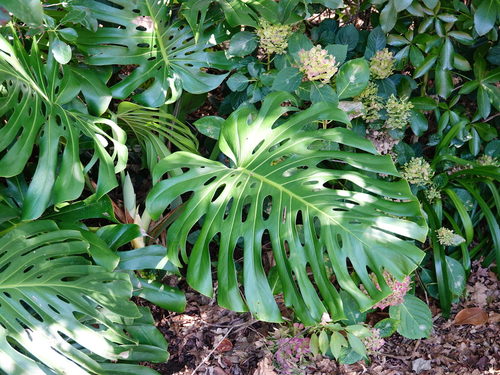
Monstera deliciosa is a popular tropical houseplant known for its large, fenestrated leaves and vining growth habit. It contains insoluble calcium oxalate crystals that can cause irritation if ingested by pets.
Potentially toxic for cats & dogs.
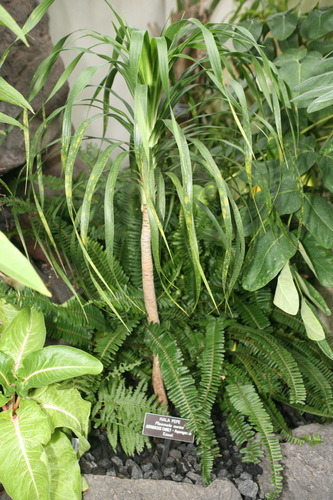
Dracaena trifasciata is a popular, hardy houseplant known for its stiff, sword-like leaves with striking yellow margins. It is widely appreciated for its air-purifying qualities and ability to thrive in various indoor conditions.
Potentially toxic for cats & dogs.
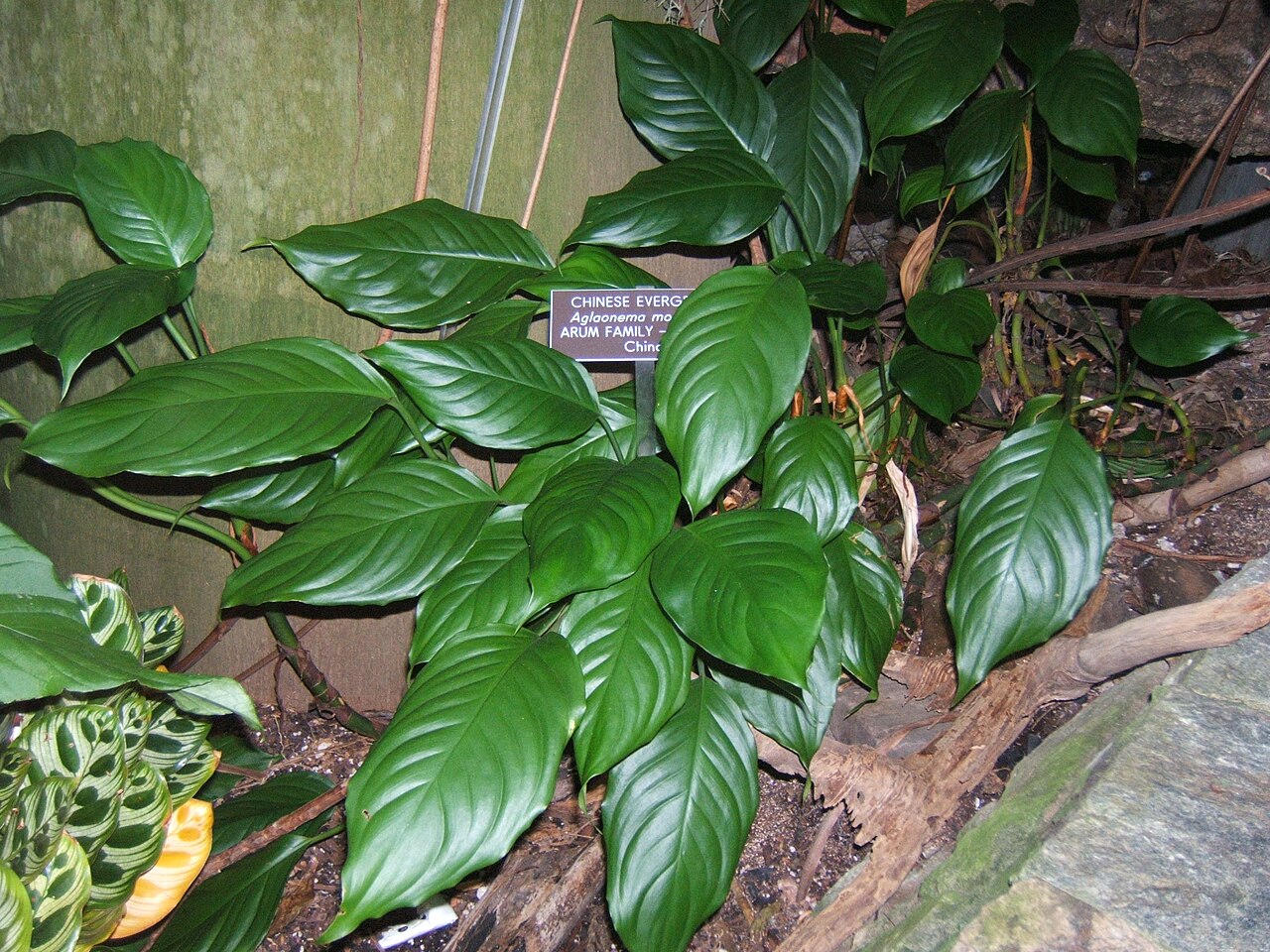
Chinese Evergreen is a popular indoor foliage plant known for its patterned leaves and tolerance of low light conditions. It contains insoluble calcium oxalate crystals that can cause irritation if ingested or chewed.
Potentially toxic for cats & dogs.
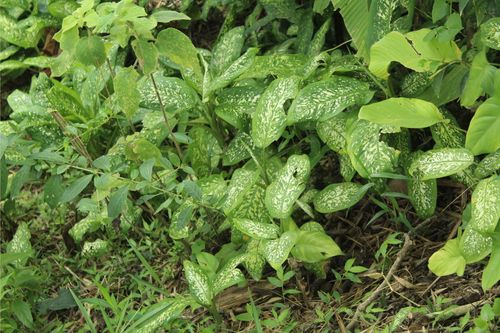
Dieffenbachia is a popular tropical houseplant known for its large, variegated leaves. It contains insoluble calcium oxalate crystals that can cause irritation if ingested or chewed.
Potentially toxic for cats & dogs.