Cats
Potentially toxicConsulted references classify the plant as toxic or irritating for that pet type.
Verified against ASPCA/provenance audit 2026-05-06 on May 6, 2026.
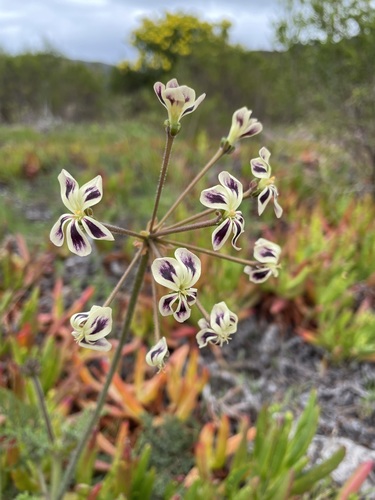
Pelargonium sp.
Scented geraniums are popular aromatic houseplants known for their fragrant foliage and clusters of small flowers. While prized for their scent, they contain essential oils that can cause irritation if ingested by pets.
Safety status
Cats
Potentially toxicConsulted references classify the plant as toxic or irritating for that pet type.
Verified against ASPCA/provenance audit 2026-05-06 on May 6, 2026.
Scented geranium is toxic to cats but typically only mildly so. The fragrant essential oils — geraniol and linalool — that make these plants smell like rose, lemon, or mint are also what irritate a cat's stomach and skin. Most cases stay mild and resolve at home, but cats are more sensitive to essential oils than dogs are.
Look for vomiting, loss of appetite, diarrhea, and a flat, lethargic mood ("depression") in the hours after a chew. Skin contact can leave a red, itchy patch — most often on the chin or muzzle from sniffing the foliage. Drooling can also appear because cats find the oils unpleasant.
GI upset usually starts within a few hours of ingestion and resolves in 24 hours. Dermatitis from contact may take a day to fully appear and can linger for several days.
Call your vet if vomiting is repeated or lasts more than a few hours, if your cat won't eat or drink the next day, or if the skin reaction worsens or spreads. Any breathing change, weakness, or stumbling is unusual here and warrants an immediate call.
Sources: ASPCA, Pet Poison Helpline (no specific first-aid guidance).
If a pet has chewed or swallowed plant material and is showing symptoms, contact a veterinarian or poison resource immediately. This product is for structured reference, not diagnosis.
Cats — concern notes
Common signs
Vomiting, anorexia, depression, and potential skin irritation upon contact.
Escalation note
Ingestion typically results in mild to moderate gastrointestinal upset. Please contact your veterinarian if your cat has consumed any part of the plant.
Safer alternatives
No hand-picked alternatives for this plant yet. You can still pick your own using the Compare button on any other plant.
NC State Extension Plant Toolbox
botanical · 94% reliability
Pelargonium species are widely cultivated for their scented leaves and flowers, though they are known to be toxic to pets if ingested.
Yes, scented geraniums (Pelargonium sp.) are considered potentially toxic to cats. The essential oils in their fragrant foliage can cause vomiting, loss of appetite, depression, and skin irritation if ingested or contacted.
Expect vomiting, anorexia, and a flat, lethargic mood in the hours after ingestion. Cats that sniff or rub against the foliage may also develop a red, itchy patch on the chin or muzzle, and drooling can appear because cats find the oils unpleasant. GI upset typically begins within a few hours and resolves within 24 hours, though skin irritation can linger for several days.
Monitor your cat closely for vomiting, loss of appetite, lethargy, or skin redness. Call your vet or the ASPCA Animal Poison Control Center at (888) 426-4435 if vomiting repeats or lasts more than a few hours, your cat won't eat or drink the next day, or the skin reaction worsens or spreads. Any weakness, stumbling, or breathing change warrants an immediate call.
The essential oils are concentrated throughout the plant's foliage, which is the main source of risk — both from ingestion and from skin contact. Even sniffing the leaves closely can leave an irritated patch on a cat's muzzle, so no specific part is safe to interact with.
Same cat verdict
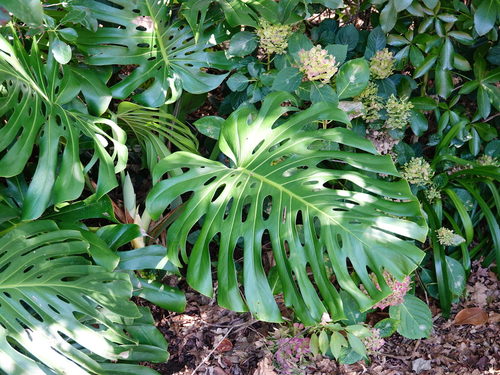
Monstera deliciosa is a popular tropical houseplant known for its large, fenestrated leaves and vining growth habit. It contains insoluble calcium oxalate crystals that can cause irritation if ingested by pets.
Potentially toxic for cats & dogs.
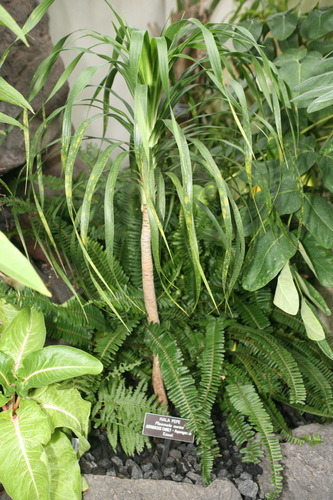
Dracaena trifasciata is a popular, hardy houseplant known for its stiff, sword-like leaves with striking yellow margins. It is widely appreciated for its air-purifying qualities and ability to thrive in various indoor conditions.
Potentially toxic for cats & dogs.
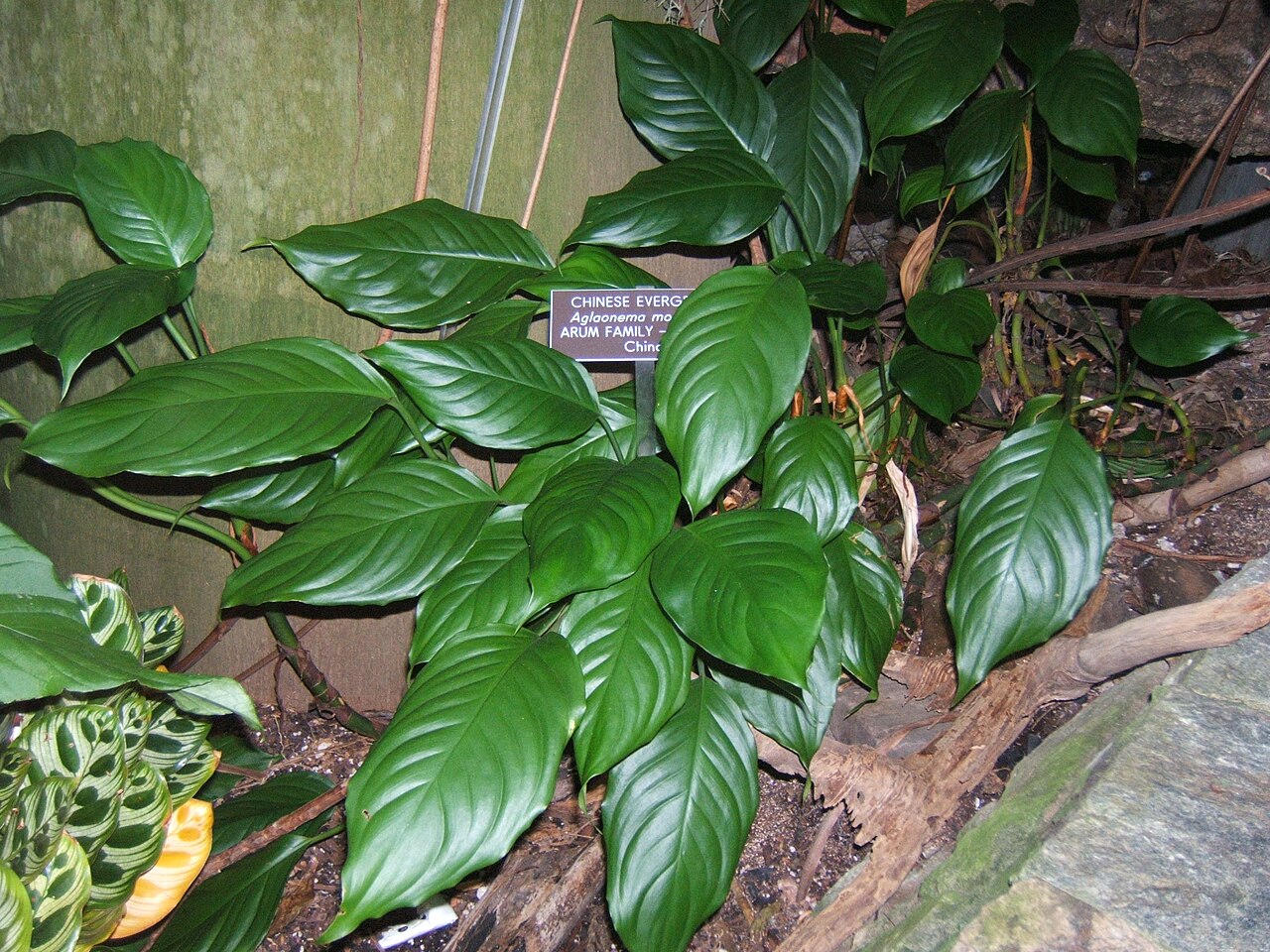
Chinese Evergreen is a popular indoor foliage plant known for its patterned leaves and tolerance of low light conditions. It contains insoluble calcium oxalate crystals that can cause irritation if ingested or chewed.
Potentially toxic for cats & dogs.
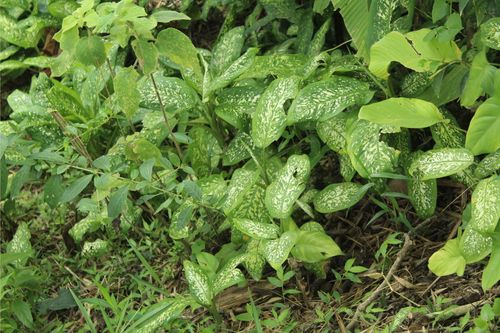
Dieffenbachia is a popular tropical houseplant known for its large, variegated leaves. It contains insoluble calcium oxalate crystals that can cause irritation if ingested or chewed.
Potentially toxic for cats & dogs.