Dogs
Potentially toxicConsulted references classify the plant as toxic or irritating for that pet type.
Verified against ASPCA/provenance audit 2026-05-06 on May 6, 2026.
Sources
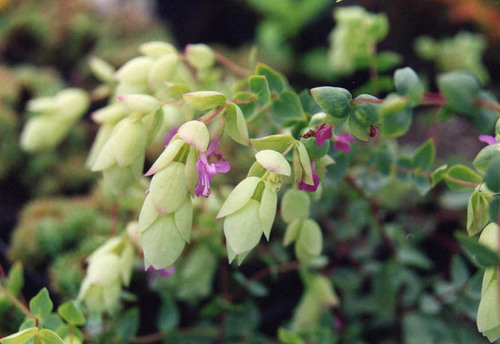
Origanum vulgare hirtum
Greek Oregano is a popular culinary herb known for its pungent, aromatic leaves and low-growing, spreading habit. While widely used in cooking, ingestion of large quantities by pets can lead to gastrointestinal distress.
Safety status
Dogs
Potentially toxicConsulted references classify the plant as toxic or irritating for that pet type.
Verified against ASPCA/provenance audit 2026-05-06 on May 6, 2026.
Sources
Dogs that snack on garden oregano usually only get mild GI upset from the carvacrol and thymol oils in the leaves. ASPCA lists oregano as toxic but the typical clinical course is unimpressive — the danger spike is concentrated essential oil, not the herb itself.
Mild vomiting and diarrhea are the most common signs. Larger ingestions may cause lethargy and decreased appetite; oregano essential oil exposure can cause more pronounced GI signs and ataxia.
ASPCA does not publish onset or duration; GI signs typically appear within hours and resolve within 24 hours with supportive care.
Call your vet or ASPCA Poison Control (888-426-4435) if vomiting persists, you see blood in stool, or your dog ingested oregano essential oil. A few chewed leaves usually do not require a visit.
Sources: ASPCA, NC State Extension (no first-aid guidance).
If a pet has chewed or swallowed plant material and is showing symptoms, contact a veterinarian or poison resource immediately. This product is for structured reference, not diagnosis.
Dogs — concern notes
Common signs
Vomiting, diarrhea, and potential gastrointestinal upset.
Escalation note
While generally mild, ingestion of large amounts can irritate the digestive tract. Consult your veterinarian if you observe persistent symptoms.
Safer alternatives
No hand-picked alternatives for this plant yet. You can still pick your own using the Compare button on any other plant.
ASPCA Toxic Plant List
toxicology · 99% reliability
Oregano is listed as toxic to both cats and dogs due to potential gastrointestinal irritation.
NC State Extension Plant Toolbox
botanical · 94% reliability
Origanum vulgare is a perennial herb in the Lamiaceae family, commonly used as a culinary spice.
Greek oregano (Origanum vulgare hirtum) is considered potentially toxic to dogs. Ingestion can cause gastrointestinal upset, particularly in larger quantities, though the effects are generally mild.
The most common signs are vomiting and diarrhea. Larger ingestions may also cause lethargy and decreased appetite. Oregano essential oil is more concerning and can additionally cause ataxia (loss of coordination) and more pronounced GI signs.
A few chewed leaves typically do not require a vet visit — monitor your dog for vomiting or diarrhea, which usually resolve within 24 hours with supportive care. Call your vet or ASPCA Poison Control at (888) 426-4435 if vomiting persists, you see blood in the stool, or your dog was exposed to oregano essential oil rather than the herb itself.
Yes. While fresh or dried Greek oregano leaves typically cause only mild GI upset, oregano essential oil is significantly more concentrated and can cause more pronounced gastrointestinal signs as well as ataxia. Contact your vet or ASPCA Poison Control at (888) 426-4435 immediately if your dog ingested any form of oregano oil.
Same dog verdict
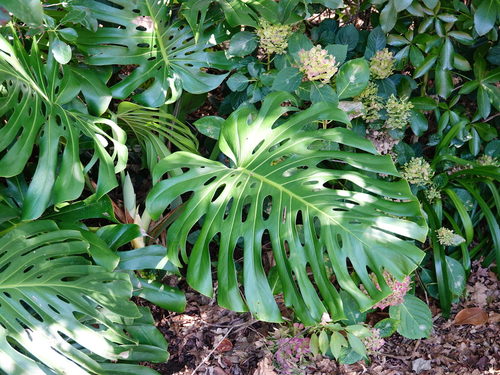
Monstera deliciosa is a popular tropical houseplant known for its large, fenestrated leaves and vining growth habit. It contains insoluble calcium oxalate crystals that can cause irritation if ingested by pets.
Potentially toxic for cats & dogs.
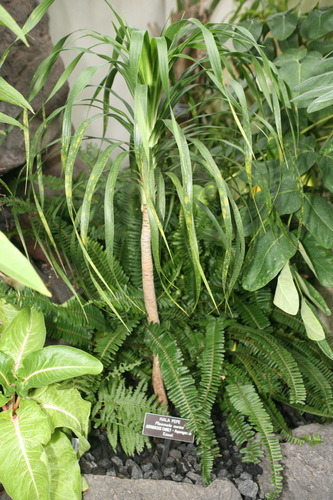
Dracaena trifasciata is a popular, hardy houseplant known for its stiff, sword-like leaves with striking yellow margins. It is widely appreciated for its air-purifying qualities and ability to thrive in various indoor conditions.
Potentially toxic for cats & dogs.
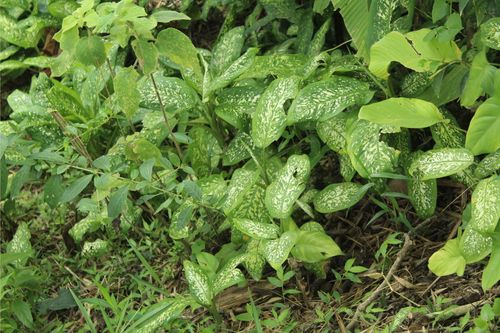
Dieffenbachia is a popular tropical houseplant known for its large, variegated leaves. It contains insoluble calcium oxalate crystals that can cause irritation if ingested or chewed.
Potentially toxic for cats & dogs.

The Jade Plant is a popular succulent known for its thick, woody stems and fleshy, oval-shaped leaves. While aesthetically pleasing, it contains compounds that can cause gastrointestinal distress if ingested by pets.
Potentially toxic for cats & dogs.