Cats
Potentially toxicConsulted references classify the plant as toxic or irritating for that pet type.
Verified against ASPCA/provenance audit 2026-05-06 on May 6, 2026.
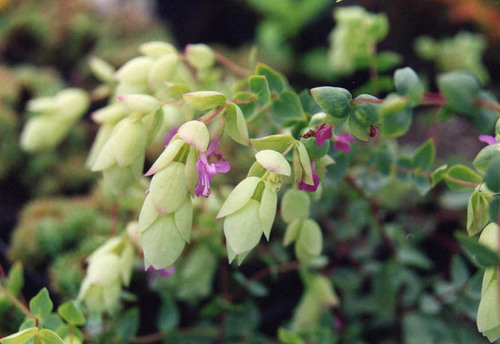
Origanum vulgare hirtum
Greek Oregano is a popular culinary herb known for its pungent, aromatic leaves and low-growing, spreading habit. While widely used in cooking, ingestion of large quantities by pets can lead to gastrointestinal distress.
Safety status
Cats
Potentially toxicConsulted references classify the plant as toxic or irritating for that pet type.
Verified against ASPCA/provenance audit 2026-05-06 on May 6, 2026.
Cats lack the liver enzyme (glucuronyl transferase) needed to fully process the phenols and terpenoids in Greek oregano, so a few nibbles tend to hit them harder than they would a dog. ASPCA classifies oregano as toxic with mild GI signs in most exposures.
Mild vomiting and diarrhea are the most common signs. Watch for drooling and loss of appetite as well; concentrated essential oil exposure can be more severe than chewed leaves.
ASPCA does not publish onset or duration; GI signs typically appear within hours of ingestion and usually resolve within a day with supportive care.
Call your vet or ASPCA Poison Control (888-426-4435) if vomiting or diarrhea persists more than a few hours, your cat refuses food, or you suspect exposure to oregano essential oil rather than the plant itself.
Sources: ASPCA (no first-aid guidance).
If a pet has chewed or swallowed plant material and is showing symptoms, contact a veterinarian or poison resource immediately. This product is for structured reference, not diagnosis.
Cats — concern notes
Common signs
Vomiting, diarrhea, and potential gastrointestinal irritation.
Escalation note
Symptoms are typically mild, but ingestion of large amounts may cause discomfort. Please contact your veterinarian if your cat consumes significant quantities.
Safer alternatives
No hand-picked alternatives for this plant yet. You can still pick your own using the Compare button on any other plant.
Yes, Greek oregano (Origanum vulgare hirtum) is considered potentially toxic to cats. Ingestion can cause gastrointestinal distress, and concentrated oregano essential oil is more dangerous than chewed leaves.
The most common signs are vomiting, diarrhea, drooling, and loss of appetite. Symptoms are typically mild and usually appear within a few hours of ingestion, resolving within a day with supportive care.
Monitor your cat for vomiting, diarrhea, drooling, or refusal to eat. Call your vet or the ASPCA Animal Poison Control Center at (888) 426-4435 if GI signs persist more than a few hours, your cat stops eating, or you suspect exposure to oregano essential oil rather than the plant itself.
Yes — concentrated oregano essential oil can cause more severe reactions than chewed leaves from the plant. If your cat was exposed to the oil rather than the herb, contact your vet or ASPCA Poison Control (888) 426-4435 promptly even if symptoms seem mild initially.
Same cat verdict
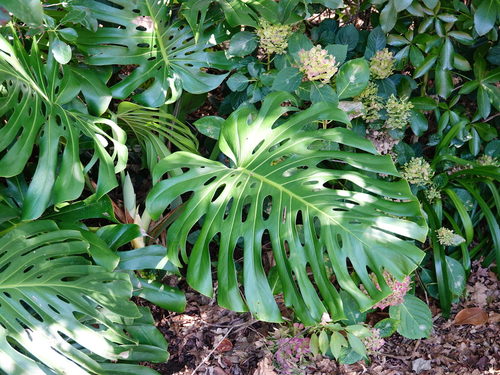
Monstera deliciosa is a popular tropical houseplant known for its large, fenestrated leaves and vining growth habit. It contains insoluble calcium oxalate crystals that can cause irritation if ingested by pets.
Potentially toxic for cats & dogs.
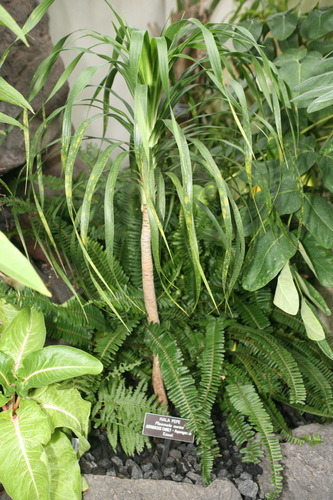
Dracaena trifasciata is a popular, hardy houseplant known for its stiff, sword-like leaves with striking yellow margins. It is widely appreciated for its air-purifying qualities and ability to thrive in various indoor conditions.
Potentially toxic for cats & dogs.
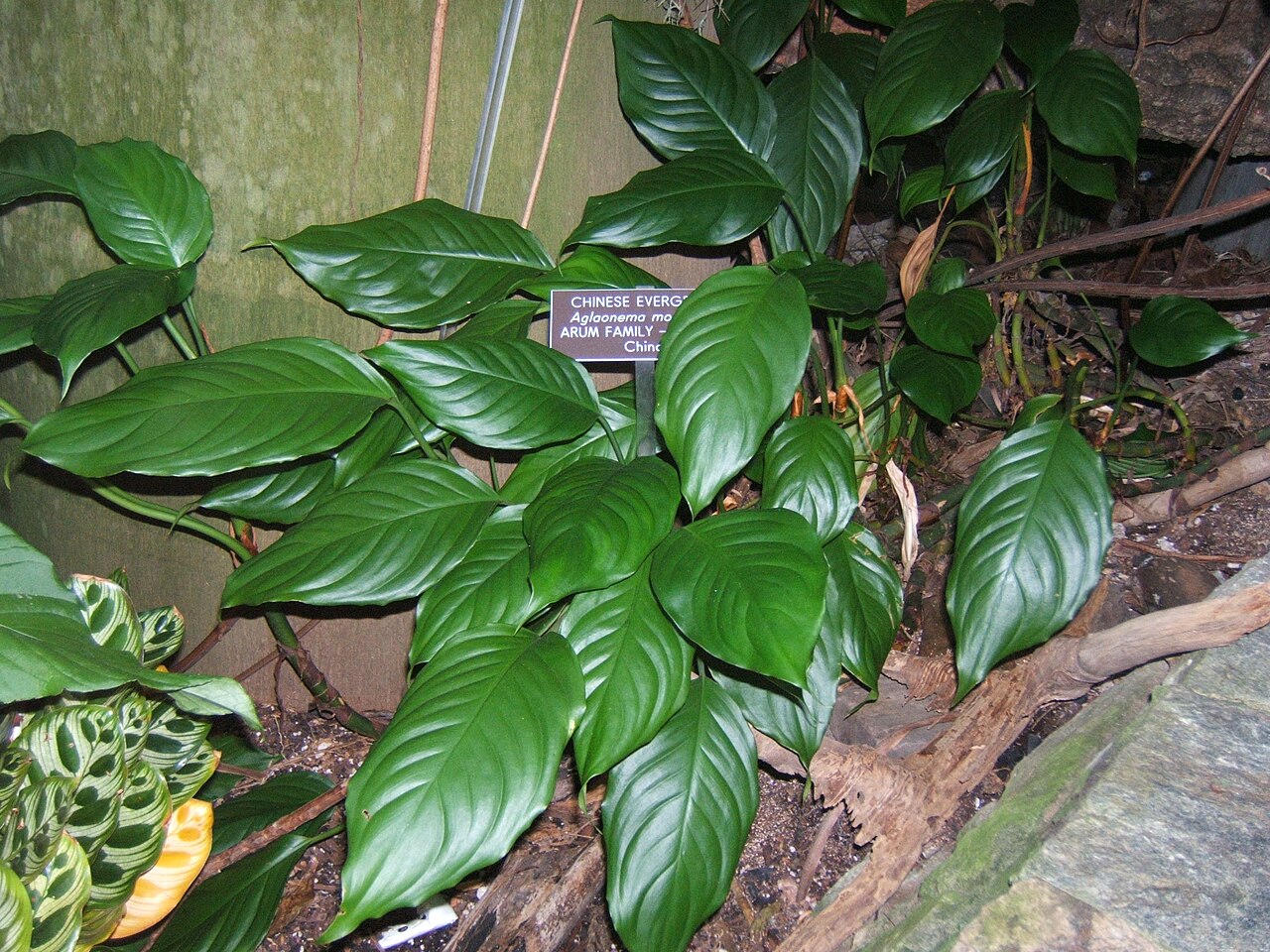
Chinese Evergreen is a popular indoor foliage plant known for its patterned leaves and tolerance of low light conditions. It contains insoluble calcium oxalate crystals that can cause irritation if ingested or chewed.
Potentially toxic for cats & dogs.
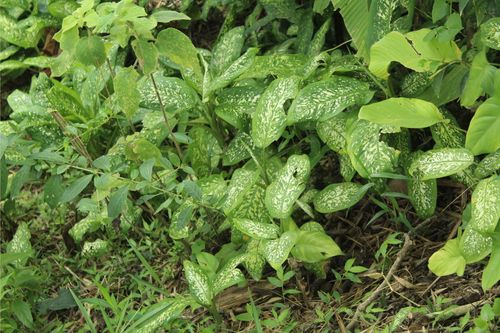
Dieffenbachia is a popular tropical houseplant known for its large, variegated leaves. It contains insoluble calcium oxalate crystals that can cause irritation if ingested or chewed.
Potentially toxic for cats & dogs.