Dogs
Potentially toxicConsulted references classify the plant as toxic or irritating for that pet type.
Verified against ASPCA/provenance audit 2026-05-06 on May 6, 2026.
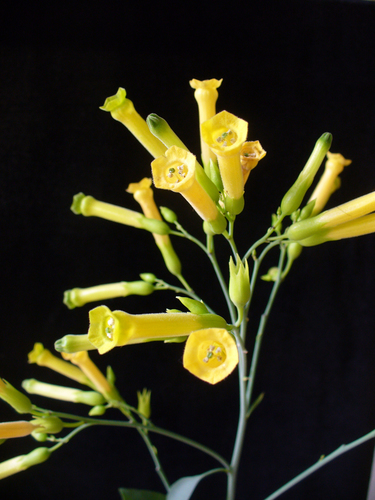
Nicotiana glauca
Nicotiana glauca is a fast-growing shrub known for its glaucous, blue-green foliage and tubular yellow flowers. It contains pyridine alkaloids, specifically anabasine, which are highly toxic to animals if ingested.
Safety status
Dogs
Potentially toxicConsulted references classify the plant as toxic or irritating for that pet type.
Verified against ASPCA/provenance audit 2026-05-06 on May 6, 2026.
Tree tobacco is severely toxic to dogs — every part of the plant contains nicotine and anabasine, alkaloids that act on the nervous system and can rapidly become life-threatening. This is not a 'wait and see' plant exposure.
Expect drooling and vomiting first, often with a brief excitable phase (restlessness, fast breathing) that quickly gives way to depression, weakness, and stumbling. Severe ingestions progress to tremors, seizures, paralysis, and respiratory failure.
Exact onset is not documented in the cited entries. Nicotine-driven plant toxicity is generally rapid in onset, which is why immediate veterinary contact matters more than waiting to see what develops.
Call immediately and head to the closest emergency vet. Even if your dog seems fine right after exposure, the course can change quickly. ASPCA Poison Control: (888) 426-4435.
Sources: ASPCA, NC State Extension (no first-aid guidance).
If a pet has chewed or swallowed plant material and is showing symptoms, contact a veterinarian or poison resource immediately. This product is for structured reference, not diagnosis.
Dogs — concern notes
Common signs
Excessive salivation, vomiting, gastrointestinal distress, lethargy, muscle twitching, and potential respiratory difficulties.
Escalation note
The plant contains potent alkaloids that affect the nervous system. Seek immediate veterinary care if ingestion is observed or suspected.
Safer alternatives
No hand-picked alternatives for this plant yet. You can still pick your own using the Compare button on any other plant.
NC State Extension Plant Toolbox
botanical · 94% reliability
Nicotiana glauca is a poisonous plant containing anabasine, which is toxic to livestock and pets.
Yes, tree tobacco (Nicotiana glauca) is highly toxic to dogs. It contains potent pyridine alkaloids, specifically anabasine, that affect the nervous system. Even small ingestions warrant immediate veterinary attention.
Expect excessive drooling and vomiting first, often with a brief excitable phase — restlessness and fast breathing — that quickly shifts to depression, weakness, and stumbling. Severe ingestions can progress to tremors, seizures, paralysis, and respiratory failure.
Call a vet or the ASPCA Animal Poison Control Center at (888) 426-4435 immediately and head to the nearest emergency clinic. Do not wait to see if symptoms develop — nicotine-driven plant toxicity is generally rapid in onset, and the course can change quickly even if your dog looks fine right after exposure.
Tree tobacco contains anabasine, a pyridine alkaloid similar in action to nicotine. It acts on the nervous system and can cause a cascade of effects from gastrointestinal distress to neuromuscular failure, which is why the plant is considered a high-severity poisoning risk.
Same dog verdict
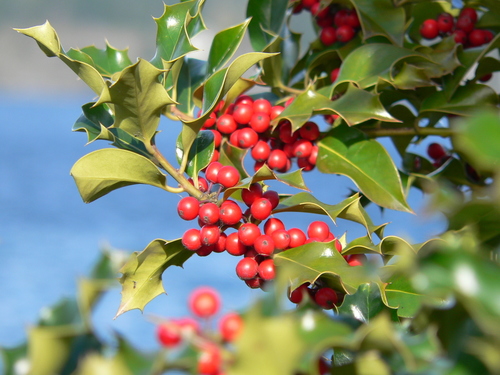
English Holly is an evergreen shrub or tree known for its glossy, spiny leaves and bright red berries. While ornamental, the plant contains compounds that can cause gastrointestinal distress if ingested by pets.
Potentially toxic for cats & dogs.
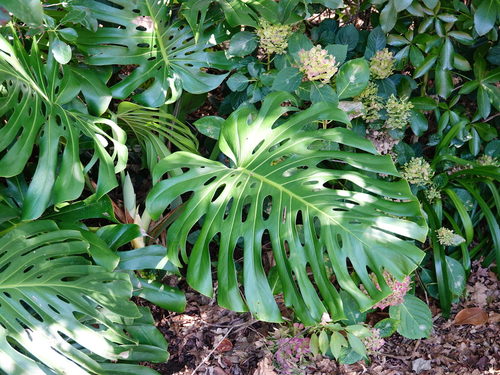
Monstera deliciosa is a popular tropical houseplant known for its large, fenestrated leaves and vining growth habit. It contains insoluble calcium oxalate crystals that can cause irritation if ingested by pets.
Potentially toxic for cats & dogs.

Dracaena trifasciata is a popular, hardy houseplant known for its stiff, sword-like leaves with striking yellow margins. It is widely appreciated for its air-purifying qualities and ability to thrive in various indoor conditions.
Potentially toxic for cats & dogs.
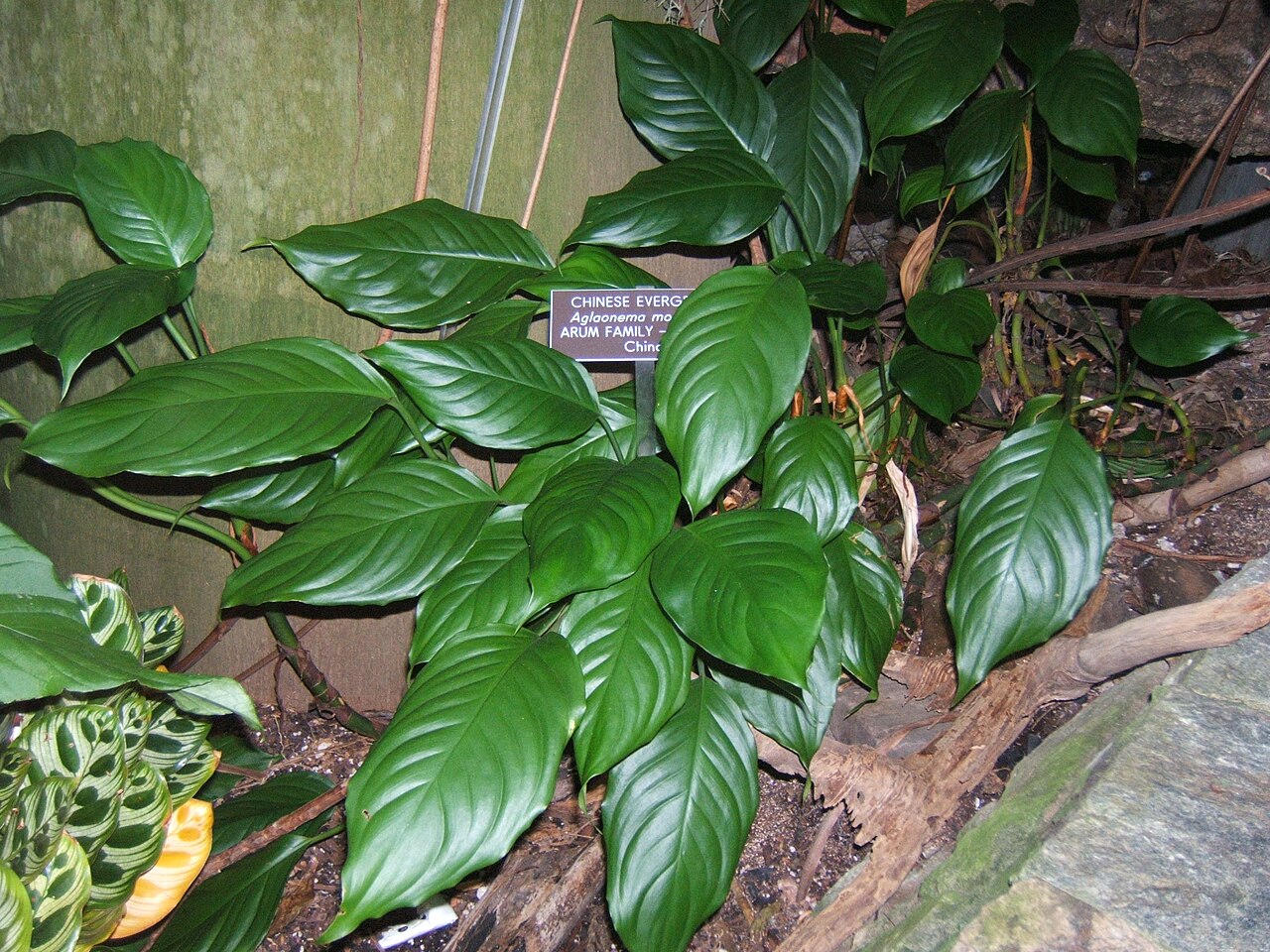
Chinese Evergreen is a popular indoor foliage plant known for its patterned leaves and tolerance of low light conditions. It contains insoluble calcium oxalate crystals that can cause irritation if ingested or chewed.
Potentially toxic for cats & dogs.