Cats
Potentially toxicConsulted references classify the plant as toxic or irritating for that pet type.
Verified against ASPCA/provenance audit 2026-05-06 on May 6, 2026.
Sources
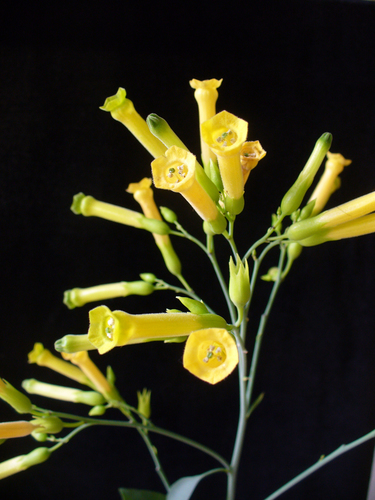
Nicotiana glauca
Nicotiana glauca is a fast-growing shrub known for its glaucous, blue-green foliage and tubular yellow flowers. It contains pyridine alkaloids, specifically anabasine, which are highly toxic to animals if ingested.
Safety status
Cats
Potentially toxicConsulted references classify the plant as toxic or irritating for that pet type.
Verified against ASPCA/provenance audit 2026-05-06 on May 6, 2026.
Sources
Tree tobacco is severely toxic to cats — every part of the plant contains nicotine and the related alkaloid anabasine, which act on the nervous system and can be fatal even at modest doses. Treat any chewed-off leaf as urgent.
Early signs include drooling, vomiting, and a brief period of agitation or hyperexcitability, followed by depression, weakness, and incoordination. Severe cases progress to tremors, paralysis, abnormal heart rate, and respiratory distress.
Exact onset is not documented in the cited ASPCA entry. With nicotine as the toxic principle, signs are generally rapid in onset, which is why immediate veterinary care matters more than waiting to see what develops.
Call immediately — do not wait to see if symptoms develop. Get to an emergency veterinary clinic and bring a sample of the plant if possible. ASPCA Poison Control: (888) 426-4435.
Sources: ASPCA (no first-aid guidance).
If a pet has chewed or swallowed plant material and is showing symptoms, contact a veterinarian or poison resource immediately. This product is for structured reference, not diagnosis.
Cats — concern notes
Common signs
Drooling, vomiting, diarrhea, rapid heart rate, muscle weakness, and in severe cases, tremors or collapse.
Escalation note
Ingestion of any part of the plant can be dangerous. If you suspect your cat has consumed this plant, contact your veterinarian or an animal poison control center immediately.
Safer alternatives
No hand-picked alternatives for this plant yet. You can still pick your own using the Compare button on any other plant.
ASPCA Toxic Plant List
toxicology · 99% reliability
Tree Tobacco is listed as toxic to both cats and dogs due to the presence of nicotine-related alkaloids.
Yes, tree tobacco (Nicotiana glauca) is highly toxic to cats. It contains pyridine alkaloids, specifically anabasine, and ingestion of any part of the plant can be dangerous.
Early signs include drooling, vomiting, diarrhea, and a brief period of agitation or hyperexcitability. This can progress to depression, weakness, incoordination, tremors, paralysis, abnormal heart rate, and respiratory distress in severe cases.
Call a veterinarian or poison control immediately — do not wait to see if symptoms develop. Get to an emergency veterinary clinic and bring a sample of the plant if possible. ASPCA Animal Poison Control: (888) 426-4435.
Exact onset timing is not documented in the ASPCA entry for this plant, but because the toxic principle is an anabasine alkaloid similar in action to nicotine, signs are generally rapid in onset. This is why immediate veterinary care matters more than waiting to observe whether symptoms develop.
Same cat verdict
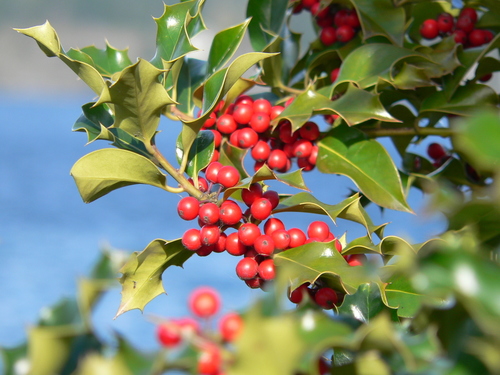
English Holly is an evergreen shrub or tree known for its glossy, spiny leaves and bright red berries. While ornamental, the plant contains compounds that can cause gastrointestinal distress if ingested by pets.
Potentially toxic for cats & dogs.
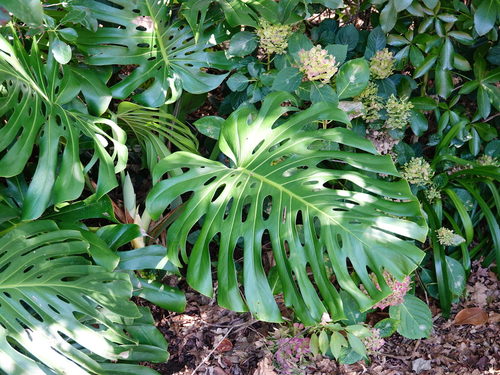
Monstera deliciosa is a popular tropical houseplant known for its large, fenestrated leaves and vining growth habit. It contains insoluble calcium oxalate crystals that can cause irritation if ingested by pets.
Potentially toxic for cats & dogs.
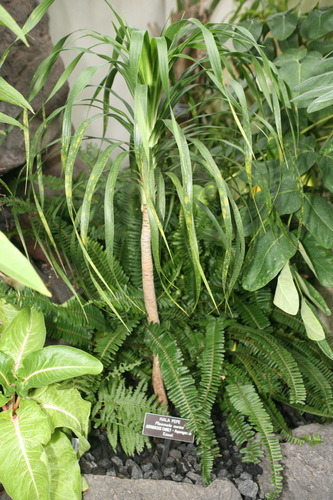
Dracaena trifasciata is a popular, hardy houseplant known for its stiff, sword-like leaves with striking yellow margins. It is widely appreciated for its air-purifying qualities and ability to thrive in various indoor conditions.
Potentially toxic for cats & dogs.
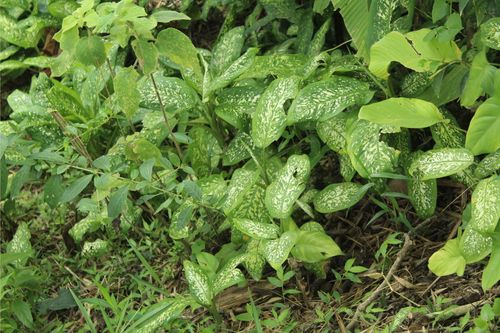
Dieffenbachia is a popular tropical houseplant known for its large, variegated leaves. It contains insoluble calcium oxalate crystals that can cause irritation if ingested or chewed.
Potentially toxic for cats & dogs.