Dogs
UncertainIdentity or evidence quality is not strong enough for a firm answer.
Verified against ASPCA/provenance audit 2026-05-06 on May 6, 2026.
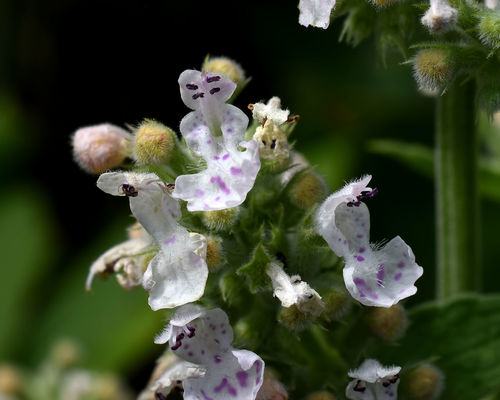
Nepeta cataria
Catnip is a member of the mint family known for its stimulating effects on many cats, though ingestion of large quantities can cause gastrointestinal distress. It is generally considered safe for dogs, though it is not a standard part of their diet.
Safety status
Dogs
UncertainIdentity or evidence quality is not strong enough for a firm answer.
Verified against ASPCA/provenance audit 2026-05-06 on May 6, 2026.
Dogs aren't the audience for catnip — and they aren't at toxicity risk from it either. ASPCA's catnip entry lists cats as the affected species; dogs are not flagged, and no canine-specific clinical signs are documented in the source.
Sources: ASPCA (no dog-specific guidance).
If a pet has chewed or swallowed plant material and is showing symptoms, contact a veterinarian or poison resource immediately. This product is for structured reference, not diagnosis.
Dogs — concern notes
Common signs
None typically reported; potential mild stomach upset if consumed in very large quantities.
Escalation note
Catnip is not considered toxic to dogs, though it is not intended for canine consumption. Monitor for mild digestive upset if a large amount is ingested and consult a veterinarian if symptoms persist.
Safer alternatives
No hand-picked alternatives for this plant yet. You can still pick your own using the Compare button on any other plant.
NC State Extension Plant Toolbox
botanical · 94% reliability
Nepeta cataria is a perennial herb in the Lamiaceae family, widely recognized for its effects on felines.
Catnip is not considered toxic to dogs. Unlike cats, dogs don't experience the stimulating behavioral effects, but the plant itself poses no known poisoning risk.
Most dogs show no symptoms at all after eating catnip. If a dog consumes a very large quantity, mild stomach upset is possible, but serious symptoms are not typically reported.
Monitor your dog for signs of digestive upset such as vomiting, diarrhea, or lethargy. If symptoms persist or your dog ate an unusually large amount, contact your veterinarian or the ASPCA Animal Poison Control Center at (888) 426-4435.
No. The euphoric, stimulating response cats have to catnip does not occur in dogs. Dogs lack the neurological response that makes catnip appealing or activating for cats, so ingestion is generally a non-event beyond possible mild GI upset.
Same dog verdict

True lilies are highly toxic to cats, causing severe kidney damage even with minimal exposure. While data for dogs is less definitive, they should still be kept away from all parts of the plant.
Potentially toxic for cats.
Uncertain for dogs.

Asian lilies are popular ornamental flowering plants known for their vibrant blooms, but they pose a significant health risk to certain pets. Ingestion of any part of the plant can lead to severe systemic issues.
Potentially toxic for cats.
Uncertain for dogs.

Day lilies are popular garden perennials known for their vibrant, trumpet-shaped blooms. While beautiful, they are highly dangerous to cats and should be kept strictly out of reach.
Potentially toxic for cats.
Uncertain for dogs.

The Easter Lily is a bulbous perennial known for its large, fragrant, trumpet-shaped white flowers. It is highly significant in veterinary medicine due to its extreme toxicity to cats.
Potentially toxic for cats.
Uncertain for dogs.