Cats
Potentially toxicConsulted references classify the plant as toxic or irritating for that pet type.
Verified against ASPCA/provenance audit 2026-05-06 on May 6, 2026.
Sources
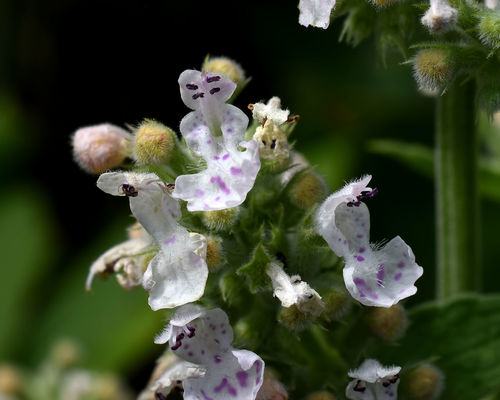
Nepeta cataria
Catnip is a member of the mint family known for its stimulating effects on many cats, though ingestion of large quantities can cause gastrointestinal distress. It is generally considered safe for dogs, though it is not a standard part of their diet.
Safety status
Cats
Potentially toxicConsulted references classify the plant as toxic or irritating for that pet type.
Verified against ASPCA/provenance audit 2026-05-06 on May 6, 2026.
Sources
Catnip is the famous one — most cats sniff or nibble it for a 5-to-15-minute high driven by nepetalactone, then lose interest. The ASPCA still lists it as toxic to cats because larger ingestions tip the response from playful into vomiting, diarrhea, or unusual sedation, but a typical exposure is mild and self-limiting.
Most cats show only the brief euphoric/silly behavior — rolling, rubbing, vocalizing — that fades on its own. With overconsumption, watch for vomiting and diarrhea (most common GI signs ASPCA lists), unusual sedation in some cats, or hyperactivity and aggression in others, and occasional drooling. Signs are usually mild.
Behavioral effects typically begin within minutes of exposure and fade within 10–15 minutes. GI signs from overconsumption are short-lived, usually resolving over a few hours.
Call your vet (or ASPCA Animal Poison Control at 888-426-4435) if vomiting or diarrhea is persistent, your cat seems unusually lethargic for more than a few hours after the high should have worn off, or you suspect a very large ingestion (e.g., a chewed-open bag of dried catnip).
Sources: ASPCA (no first-aid guidance).
If a pet has chewed or swallowed plant material and is showing symptoms, contact a veterinarian or poison resource immediately. This product is for structured reference, not diagnosis.
Cats — concern notes
Common signs
Vomiting, diarrhea, and general gastrointestinal upset.
Escalation note
While often used as an enrichment herb, excessive ingestion can lead to digestive irritation. Contact your veterinarian if your cat exhibits persistent vomiting or lethargy.
Safer alternatives
No hand-picked alternatives for this plant yet. You can still pick your own using the Compare button on any other plant.
ASPCA Toxic Plant List
toxicology · 99% reliability
Catnip is listed as toxic to cats by the ASPCA due to potential gastrointestinal effects.
Catnip is classified as potentially toxic for cats — not because the typical euphoric reaction is dangerous, but because ingesting large quantities can cause vomiting, diarrhea, and general gastrointestinal upset. The behavioral effects (rolling, rubbing, vocalizing) are normal and self-limiting, fading within 10–15 minutes.
Overconsumption can cause vomiting, diarrhea, unusual sedation or — in some cats — hyperactivity and aggression, and occasional drooling. GI signs are usually mild and resolve within a few hours on their own.
Monitor your cat closely. If vomiting or diarrhea is persistent, your cat seems unusually lethargic for more than a few hours after the high has worn off, or you suspect a very large ingestion (such as a chewed-open bag of dried catnip), call your vet or ASPCA Animal Poison Control at (888) 426-4435.
Behavioral effects typically begin within minutes of exposure and fade within 10–15 minutes. GI signs from overconsumption are short-lived as well, usually resolving over a few hours. After the behavioral response ends, most cats become temporarily immune to catnip for roughly 30 minutes before they can respond again.
Same cat verdict
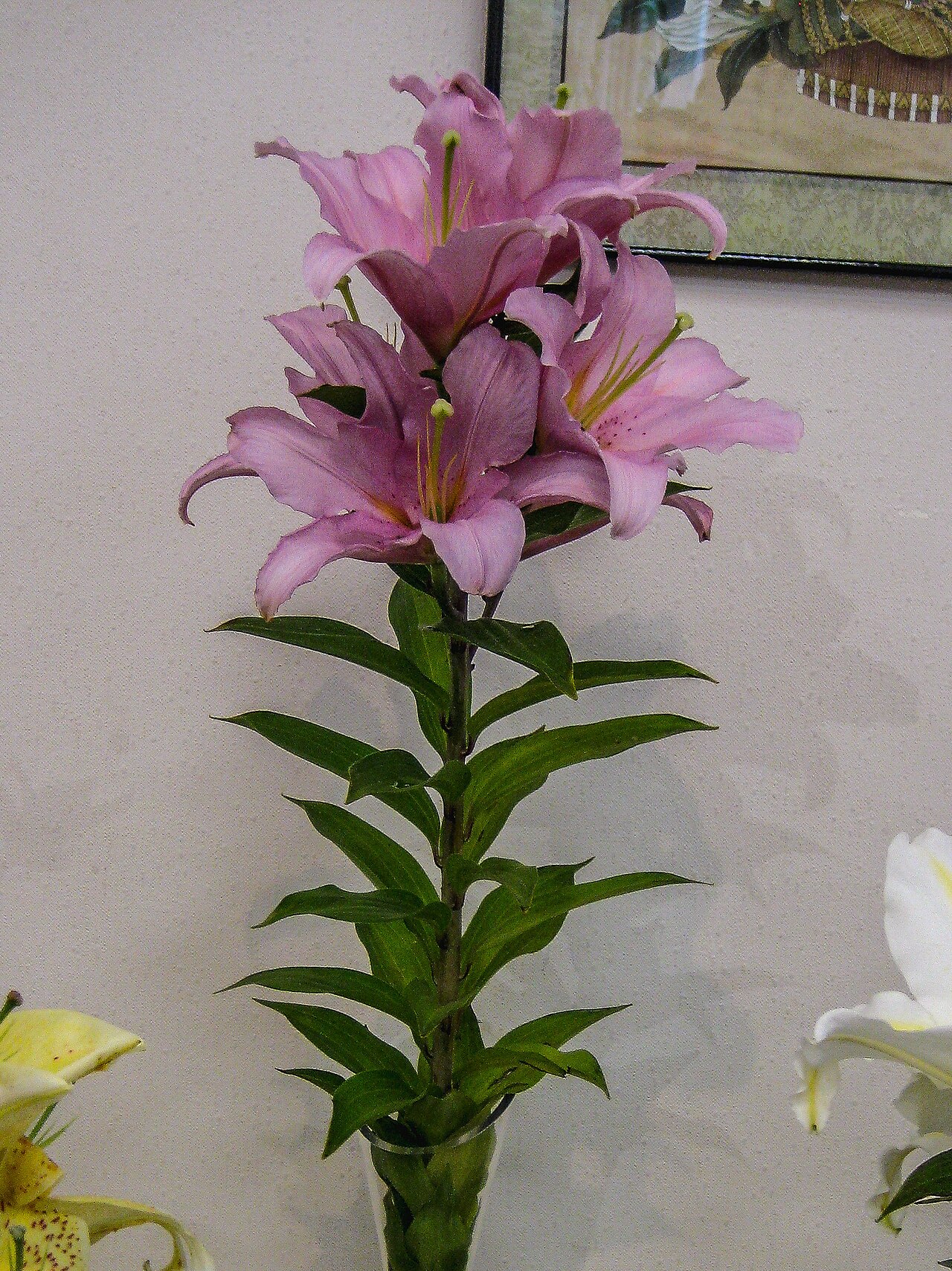
True lilies are highly toxic to cats, causing severe kidney damage even with minimal exposure. While data for dogs is less definitive, they should still be kept away from all parts of the plant.
Potentially toxic for cats.
Uncertain for dogs.
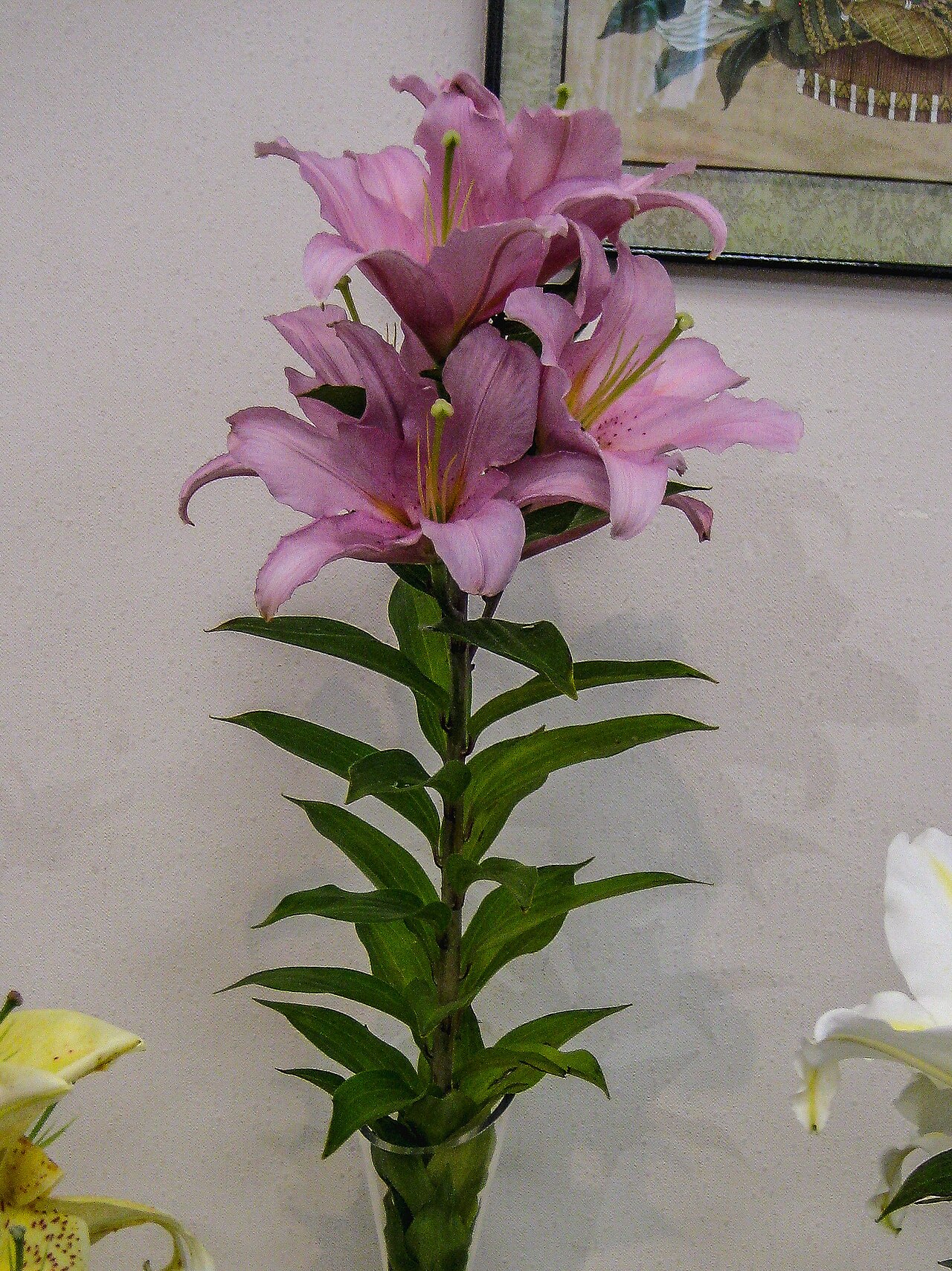
Asian lilies are popular ornamental flowering plants known for their vibrant blooms, but they pose a significant health risk to certain pets. Ingestion of any part of the plant can lead to severe systemic issues.
Potentially toxic for cats.
Uncertain for dogs.

Day lilies are popular garden perennials known for their vibrant, trumpet-shaped blooms. While beautiful, they are highly dangerous to cats and should be kept strictly out of reach.
Potentially toxic for cats.
Uncertain for dogs.
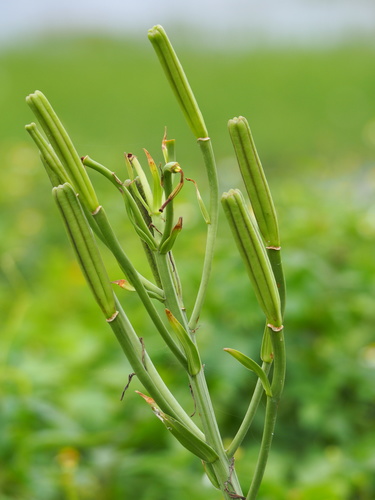
The Easter Lily is a bulbous perennial known for its large, fragrant, trumpet-shaped white flowers. It is highly significant in veterinary medicine due to its extreme toxicity to cats.
Potentially toxic for cats.
Uncertain for dogs.