Cats
Potentially toxicConsulted references classify the plant as toxic or irritating for that pet type.
Verified against ASPCA/provenance audit 2026-05-06 on May 6, 2026.
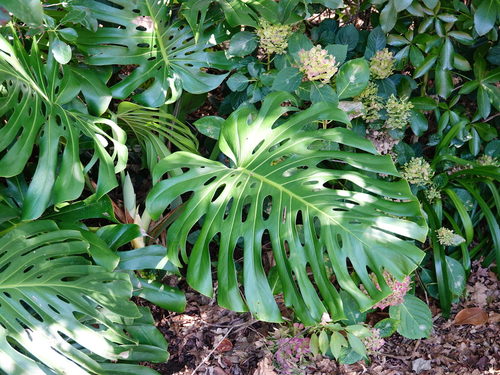
Monstera deliciosa
Monstera deliciosa is a popular tropical houseplant known for its large, fenestrated leaves and vining growth habit. It contains insoluble calcium oxalate crystals that can cause irritation if ingested by pets.
Safety status
Cats
Potentially toxicConsulted references classify the plant as toxic or irritating for that pet type.
Verified against ASPCA/provenance audit 2026-05-06 on May 6, 2026.
Cats that nibble Monstera leaves get a fast, painful surprise: the leaves are studded with insoluble calcium-oxalate crystals that act like microscopic needles in the mouth. The reaction is unpleasant but rarely dangerous — most cats stop chewing within seconds and recover within a day with supportive care.
Sudden pawing at the mouth and head-shaking; heavy drooling; foaming around the lips; vomiting (often once or twice with bits of leaf); difficulty swallowing; visible swelling of the tongue or lips. Severe cases (rare): swelling that interferes with breathing.
Onset is fast — sometimes within 30 seconds of chewing, usually within minutes. Most cats recover within 24 hours; signs may take up to 48 hours to resolve fully with supportive care.
Call your vet or a pet poison hotline right away if drooling persists past an hour, your cat refuses to eat or drink, the tongue or lips are visibly swelling, or there is any change in breathing.
Remove any plant fragments from your cat's mouth. Rinse the mouth gently with cool water; offering a small amount of milk or plain yogurt can help bind the oxalate crystals and ease the burning. Then call ASPCA Animal Poison Control (888-426-4435) or the Pet Poison Helpline (855-764-7661). Do not induce vomiting unless a veterinarian tells you to.
Sources: ASPCA, Pet Poison Helpline.
If a pet has chewed or swallowed plant material and is showing symptoms, contact a veterinarian or poison resource immediately. This product is for structured reference, not diagnosis.
Cats — concern notes
Common signs
Oral irritation, intense burning and irritation of mouth, tongue and lips, excessive drooling, vomiting, and difficulty swallowing.
Escalation note
The insoluble calcium oxalate crystals cause immediate mechanical irritation. While rarely fatal, contact a veterinarian if your cat shows signs of distress or persistent vomiting.
Safer alternatives
Some links earn us a small commission. They never affect our safety classifications.
NC State Extension Plant Toolbox
botanical · 94% reliability
Monstera deliciosa is a large, evergreen, vining plant in the Araceae family, native to tropical forests of southern Mexico.
Yes, Monstera deliciosa is toxic to cats. The plant contains insoluble calcium oxalate crystals that cause immediate oral irritation, intense burning of the mouth, tongue, and lips, excessive drooling, vomiting, and difficulty swallowing.
Onset is fast — sometimes within 30 seconds of chewing. Your cat may suddenly paw at its mouth, shake its head, drool heavily, foam at the lips, and vomit once or twice. Visible swelling of the tongue or lips can occur. Most cats recover within 24 hours, though signs may take up to 48 hours to fully resolve.
Remove any plant fragments from your cat's mouth and rinse gently with cool water. Offering a small amount of milk or plain yogurt can help bind the oxalate crystals and ease the burning. Then call ASPCA Animal Poison Control (888) 426-4435 or Pet Poison Helpline (855) 764-7661. Do not induce vomiting unless a veterinarian instructs you to.
The irritation comes from insoluble calcium oxalate crystals embedded in the plant's tissues. When chewed, these microscopic crystals are mechanically driven into the soft tissues of the mouth and throat, causing immediate pain and inflammation. The effect is physical rather than chemical, which is why symptoms begin within seconds of contact.
Same cat verdict
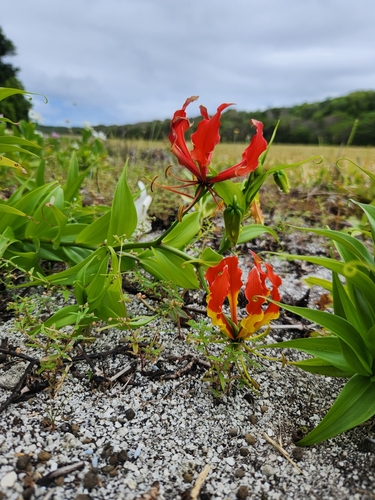
Climbing Lily is a tuberous climbing plant known for its striking, flame-like flowers. It contains colchicine, a potent alkaloid that is highly toxic to both cats and dogs if ingested.
Potentially toxic for cats & dogs.
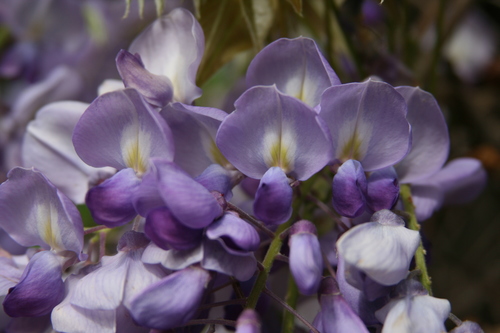
Wisteria is a genus of woody, climbing vines known for their cascading, fragrant flower clusters. All parts of the plant, particularly the seeds and pods, contain toxic compounds that can cause gastrointestinal distress if ingested.
Potentially toxic for cats & dogs.
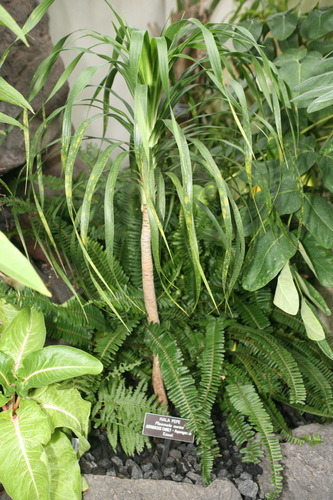
Dracaena trifasciata is a popular, hardy houseplant known for its stiff, sword-like leaves with striking yellow margins. It is widely appreciated for its air-purifying qualities and ability to thrive in various indoor conditions.
Potentially toxic for cats & dogs.
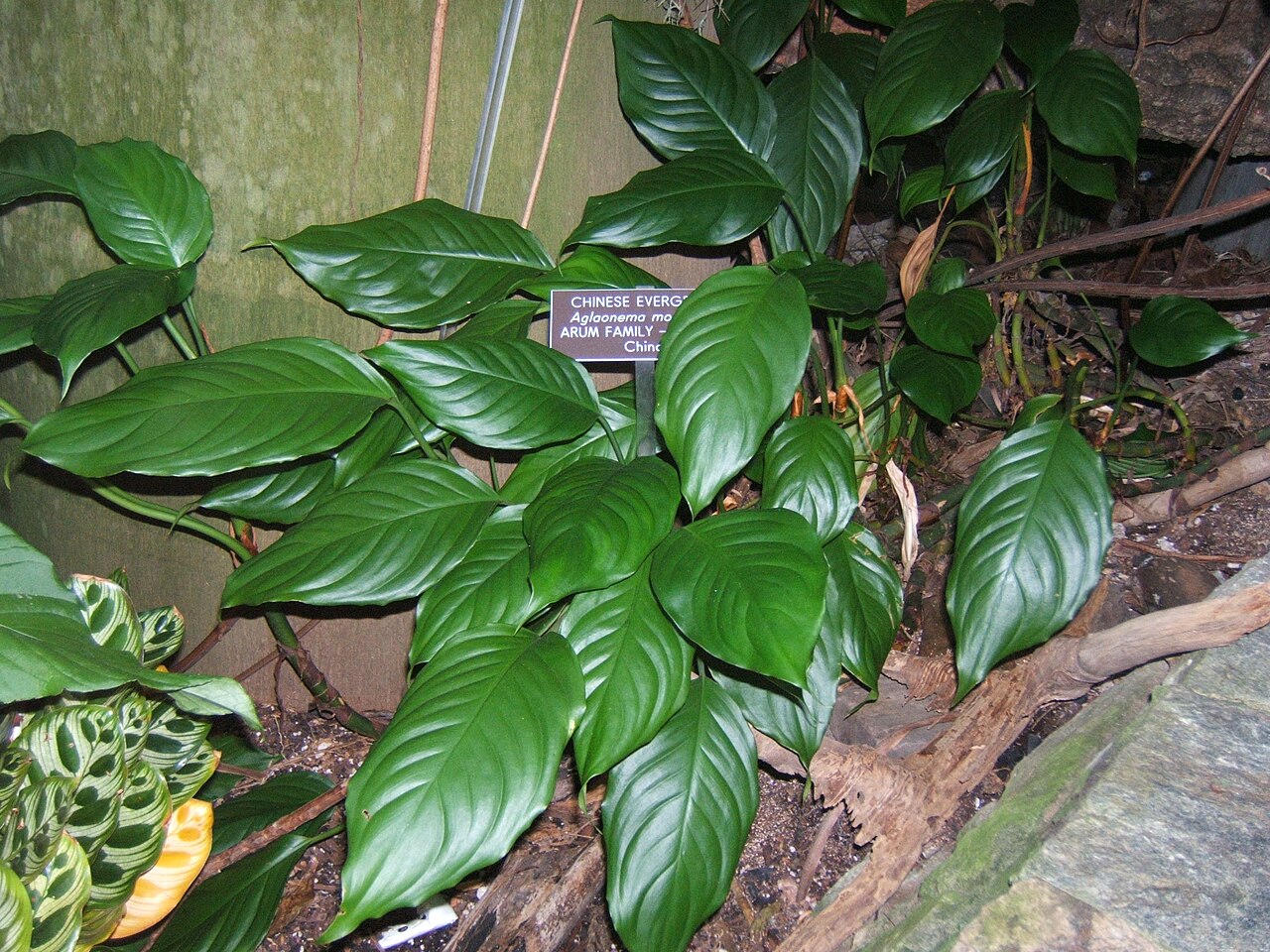
Chinese Evergreen is a popular indoor foliage plant known for its patterned leaves and tolerance of low light conditions. It contains insoluble calcium oxalate crystals that can cause irritation if ingested or chewed.
Potentially toxic for cats & dogs.