Dogs
UncertainIdentity or evidence quality is not strong enough for a firm answer.
Verified against ASPCA/provenance audit 2026-05-06 on May 6, 2026.

Lilium umbellatum
Red Lily is a bulbous perennial known for its vibrant, upward-facing blooms. It is highly significant in veterinary toxicology due to the severe risk it poses to feline health.
Safety status
Dogs
UncertainIdentity or evidence quality is not strong enough for a firm answer.
Verified against ASPCA/provenance audit 2026-05-06 on May 6, 2026.
Dogs: ASPCA lists Red Lily as non-toxic to dogs — the deadly lily-and-kidney-failure story is a cat-only story. A nibble at the leaves or a chewed flower head is most likely to cause nothing or mild stomach upset, not the renal emergency that the same plant triggers in cats.
Mild, self-limiting GI signs from any plant material: a single bout of vomiting, soft stool, or passing drooling. If your dog hoovered up a large amount of bulb or flower, watch for repeated vomiting, sustained diarrhea, or unwillingness to eat — those signal more than a casual nibble.
Mild GI signs, when they occur, typically appear within 2–6 hours of ingestion and resolve within 24 hours. Exact timing for dogs and Red Lily specifically is not well documented because the plant is not considered toxic.
Call your vet if vomiting or diarrhea continues past one episode, if your dog seems lethargic or refuses food for more than a few hours, or if you saw them eat a large quantity of any part of the plant. Same-day, not necessarily emergency.
Sources: ASPCA.
If a pet has chewed or swallowed plant material and is showing symptoms, contact a veterinarian or poison resource immediately. This product is for structured reference, not diagnosis.
Dogs — concern notes
Common signs
Potential for gastrointestinal upset such as vomiting or diarrhea.
Escalation note
While true lilies are highly toxic to cats, dogs typically experience only mild gastrointestinal irritation. However, because individual sensitivities vary, consult a veterinarian if your dog consumes any part of the plant.
Safer alternatives
No hand-picked alternatives for this plant yet. You can still pick your own using the Compare button on any other plant.
Red Lily's toxicity classification for dogs is uncertain with low confidence. Unlike cats, for whom true lilies are highly dangerous, dogs that eat Red Lily (Lilium umbellatum) typically experience only mild gastrointestinal irritation such as vomiting or diarrhea. Individual sensitivities vary, so monitor your dog closely after any ingestion.
The most likely symptoms are mild and self-limiting: a single bout of vomiting, soft stool, or brief drooling. When GI signs occur, they generally appear within 2–6 hours of ingestion and resolve within 24 hours. If your dog ate a large amount — especially bulb material — watch for repeated vomiting, sustained diarrhea, or refusal to eat, which signal more than minor irritation.
Call your vet if vomiting or diarrhea continues past one episode, if your dog seems lethargic or refuses food for more than a few hours, or if they consumed a large quantity. This is a same-day call, not necessarily an emergency — but if symptoms are severe or worsening, contact the ASPCA Animal Poison Control Center at (888) 426-4435.
True lilies cause acute kidney failure in cats even in tiny amounts, making them one of the most dangerous plants in veterinary toxicology. Dogs lack that same vulnerability: the toxic principle responsible for feline kidney damage does not affect dogs the same way, which is why dogs exposed to Red Lily are expected to show only mild GI upset at worst. The exact mechanism behind this species difference is not fully documented.
Same dog verdict
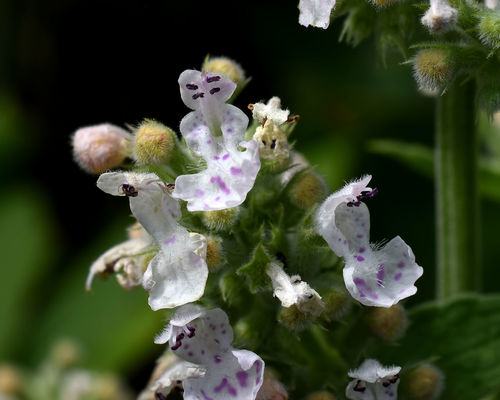
Catnip is a member of the mint family known for its stimulating effects on many cats, though ingestion of large quantities can cause gastrointestinal distress. It is generally considered safe for dogs, though it is not a standard part of their diet.
Potentially toxic for cats.
Uncertain for dogs.

Day lilies are popular garden perennials known for their vibrant, trumpet-shaped blooms. While beautiful, they are highly dangerous to cats and should be kept strictly out of reach.
Potentially toxic for cats.
Uncertain for dogs.

The Orange Day Lily is a perennial flowering plant known for its vibrant, trumpet-shaped blooms. While popular in gardens, it is highly dangerous to cats if ingested.
Potentially toxic for cats.
Uncertain for dogs.