Cats
Potentially toxicConsulted references classify the plant as toxic or irritating for that pet type.
Verified against ASPCA/provenance audit 2026-05-06 on May 6, 2026.
Sources
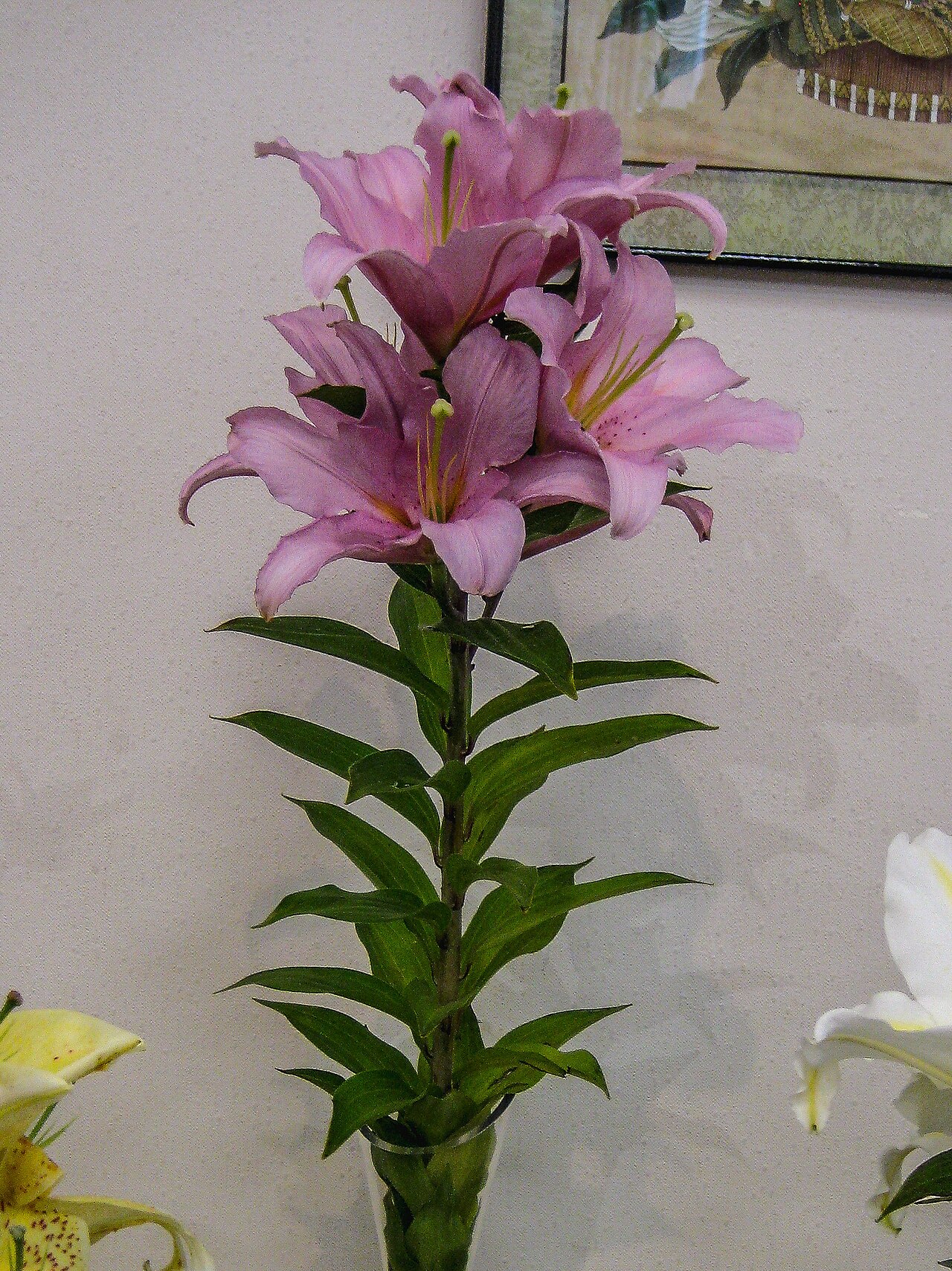
Lilium umbellatum
Red Lily is a bulbous perennial known for its vibrant, upward-facing blooms. It is highly significant in veterinary toxicology due to the severe risk it poses to feline health.
Safety status
Cats
Potentially toxicConsulted references classify the plant as toxic or irritating for that pet type.
Verified against ASPCA/provenance audit 2026-05-06 on May 6, 2026.
Sources
Cats face a true emergency with this plant — true lilies in the Lilium genus can cause fatal kidney failure even from tiny exposures, including chewing leaves, licking pollen off fur, or drinking from the vase water. There is no 'mild' case of true-lily ingestion in cats; treat any contact as urgent and don't wait for symptoms.
Earliest signs are decreased activity, drooling, vomiting, and loss of appetite, often within 0 to 12 hours of contact. By 12 to 24 hours look for increased urination then dehydration; by 24 to 72 hours untreated cats develop kidney failure and may stop urinating altogether.
Early GI signs appear within 0 to 12 hours; signs of kidney damage follow at 12 to 24 hours; untreated kidney failure typically develops within 24 to 72 hours and is often fatal. Cats started on IV fluid diuresis within 18 hours of exposure have the best prognosis.
Call immediately. Any time you see your cat chew, lick, or even brush against this plant, contact your vet or ASPCA Animal Poison Control at (888) 426-4435 the same hour. Treatment started within 18 hours has the best chance of preventing irreversible kidney damage.
Bring the plant — or a clear phone photo of it — with you to the clinic so the vet can confirm the species. Do not wait for symptoms before seeking care.
Sources: ASPCA.
If a pet has chewed or swallowed plant material and is showing symptoms, contact a veterinarian or poison resource immediately. This product is for structured reference, not diagnosis.
Cats — concern notes
Common signs
Vomiting, lethargy, loss of appetite, excessive drooling, and signs of kidney failure.
Escalation note
Ingestion of any part of the plant, including pollen or water from the vase, can lead to acute kidney failure. This is a medical emergency; contact a veterinarian immediately if ingestion is suspected.
Safer alternatives
No hand-picked alternatives for this plant yet. You can still pick your own using the Compare button on any other plant.
ASPCA Toxic Plant List
toxicology · 99% reliability
True lilies (Lilium species) are highly toxic to cats, causing acute kidney failure.
NC State Extension Plant Toolbox
botanical · 94% reliability
Lilium umbellatum is a bulbous perennial in the Liliaceae family, often found in garden settings.
Yes, Red Lily (Lilium umbellatum) is highly toxic to cats and a veterinary emergency. Ingestion of any part of the plant — including pollen or water from the vase — can lead to acute kidney failure. This is one of the most dangerous plants a cat can encounter.
Early signs appear within 0 to 12 hours and include vomiting, drooling, lethargy, and loss of appetite. By 12 to 24 hours, cats may show increased urination followed by dehydration. Without treatment, kidney failure typically develops within 24 to 72 hours and can be fatal, with affected cats eventually stopping urination altogether.
Call your vet or the ASPCA Animal Poison Control at (888) 426-4435 immediately — do not wait for symptoms to appear. Bring the plant or a clear phone photo to the clinic so the vet can confirm the species. Cats started on IV fluid diuresis within 18 hours of exposure have the best chance of avoiding irreversible kidney damage.
There is no safe amount — even minor contact such as licking pollen off fur or drinking water from a vase holding the plant is enough to trigger kidney failure. Any suspected exposure, however small, should be treated as a same-hour emergency.
Same cat verdict
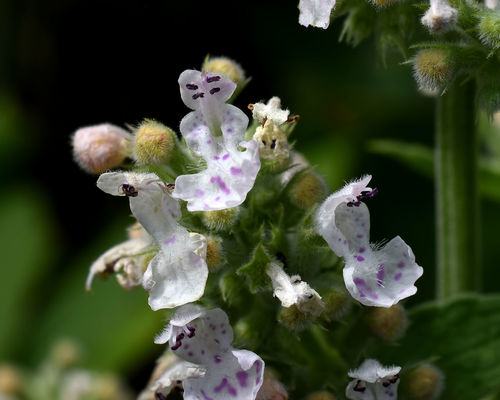
Catnip is a member of the mint family known for its stimulating effects on many cats, though ingestion of large quantities can cause gastrointestinal distress. It is generally considered safe for dogs, though it is not a standard part of their diet.
Potentially toxic for cats.
Uncertain for dogs.
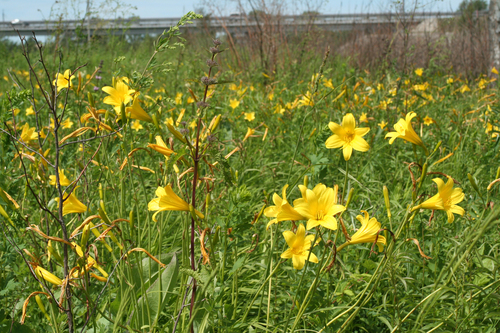
Day lilies are popular garden perennials known for their vibrant, trumpet-shaped blooms. While beautiful, they are highly dangerous to cats and should be kept strictly out of reach.
Potentially toxic for cats.
Uncertain for dogs.
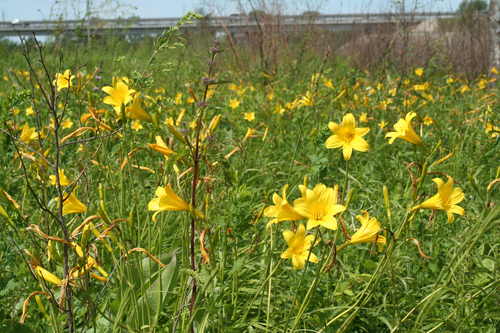
The Orange Day Lily is a perennial flowering plant known for its vibrant, trumpet-shaped blooms. While popular in gardens, it is highly dangerous to cats if ingested.
Potentially toxic for cats.
Uncertain for dogs.