Dogs
UncertainIdentity or evidence quality is not strong enough for a firm answer.
Verified against ASPCA/provenance audit 2026-05-06 on May 6, 2026.
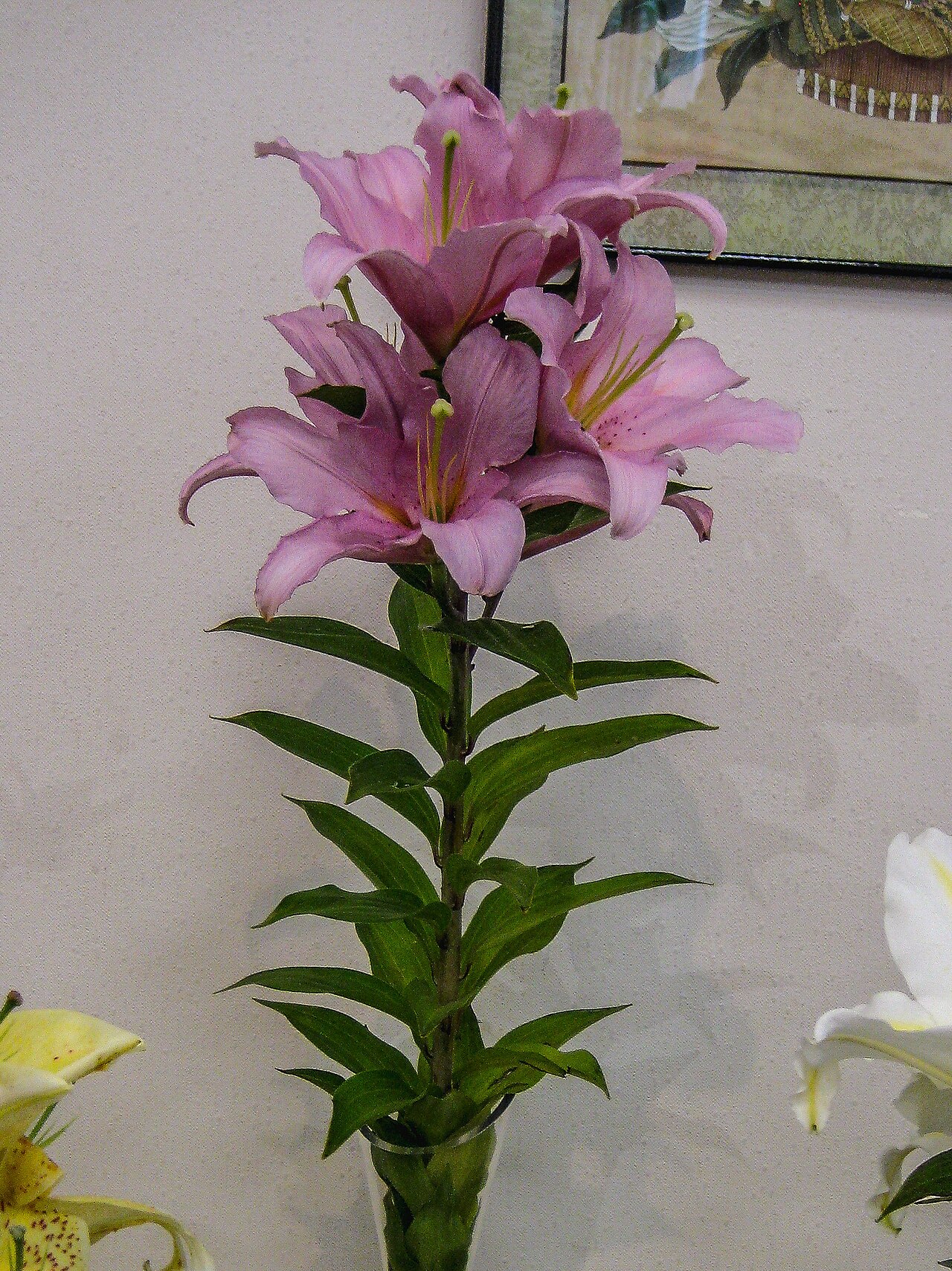
Lilium species
True lilies are highly toxic to cats, causing severe kidney damage even with minimal exposure. While data for dogs is less definitive, they should still be kept away from all parts of the plant.
Safety status
Dogs
UncertainIdentity or evidence quality is not strong enough for a firm answer.
Verified against ASPCA/provenance audit 2026-05-06 on May 6, 2026.
True lilies (Lilium species) are a kidney emergency for cats but a much milder problem for dogs. ASPCA and Pet Poison Helpline both note that dogs typically only develop stomach upset after ingesting Lilium — they don't show the acute renal failure seen in cats.
Vomiting, drooling or hypersalivation, mild diarrhea, and sometimes transient swelling of the lips or oral cavity, pawing at the face, or a hoarse change in voice. Eating a whole bulb can additionally pose a GI obstruction risk in small dogs.
GI signs typically appear within a few hours and resolve within 24-48 hours with hydration and supportive care. Bulb ingestion can cause delayed obstructive signs over the following 1-3 days.
Call your vet if vomiting is repeated, your dog ate a bulb (obstruction risk), you see persistent drooling, voice change, or oral swelling, or signs aren't resolving within several hours. When in doubt, Pet Poison Helpline is at (855) 764-7661.
Sources: ASPCA, Pet Poison Helpline (no first-aid guidance).
If a pet has chewed or swallowed plant material and is showing symptoms, contact a veterinarian or poison resource immediately. This product is for structured reference, not diagnosis.
Dogs — concern notes
Common signs
Mild gastrointestinal upset, including vomiting or diarrhea.
Escalation note
While true lilies do not cause the same acute kidney failure in dogs as they do in cats, they can still cause stomach irritation. Consult a veterinarian if your dog consumes any part of the plant.
Safer alternatives
Some links earn us a small commission. They never affect our safety classifications.
NC State Extension Plant Toolbox
botanical · 94% reliability
Lilium is a genus of herbaceous flowering plants growing from bulbs, all with large prominent flowers.
Lilies are classified as uncertain in toxicity for dogs — they don't cause the acute kidney failure in dogs that they do in cats, but they can cause mild gastrointestinal upset including vomiting and diarrhea. Dogs should still be kept away from all parts of the plant.
GI signs such as vomiting, drooling, hypersalivation, and mild diarrhea typically appear within a few hours. Dogs may also paw at their face or develop transient swelling of the lips or oral cavity. Symptoms generally resolve within 24–48 hours with hydration and supportive care.
Monitor for repeated vomiting, persistent drooling, oral swelling, or a hoarse change in voice, and call your vet if those appear. If your dog ate a bulb, there is also a GI obstruction risk — especially in small dogs — which can cause delayed signs over 1–3 days. In any case of concern, call the ASPCA Animal Poison Control Center at (888) 426-4435.
Yes — swallowing a whole bulb poses a physical GI obstruction risk in addition to stomach irritation, particularly in small dogs, with obstructive signs potentially developing over the 1–3 days following ingestion. If your dog ate a bulb rather than just a leaf or petal, contact your vet promptly.
Same dog verdict
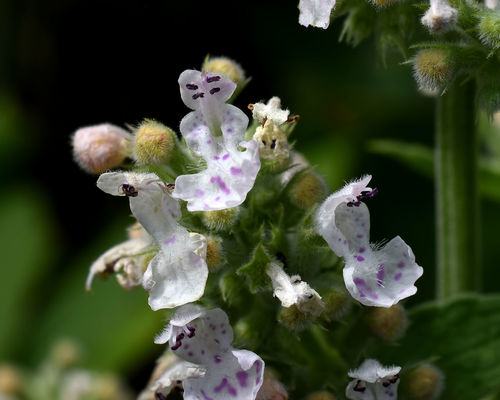
Catnip is a member of the mint family known for its stimulating effects on many cats, though ingestion of large quantities can cause gastrointestinal distress. It is generally considered safe for dogs, though it is not a standard part of their diet.
Potentially toxic for cats.
Uncertain for dogs.

Day lilies are popular garden perennials known for their vibrant, trumpet-shaped blooms. While beautiful, they are highly dangerous to cats and should be kept strictly out of reach.
Potentially toxic for cats.
Uncertain for dogs.

The Orange Day Lily is a perennial flowering plant known for its vibrant, trumpet-shaped blooms. While popular in gardens, it is highly dangerous to cats if ingested.
Potentially toxic for cats.
Uncertain for dogs.