Cats
Potentially toxicConsulted references classify the plant as toxic or irritating for that pet type.
Verified against ASPCA/provenance audit 2026-05-06 on May 6, 2026.
Sources
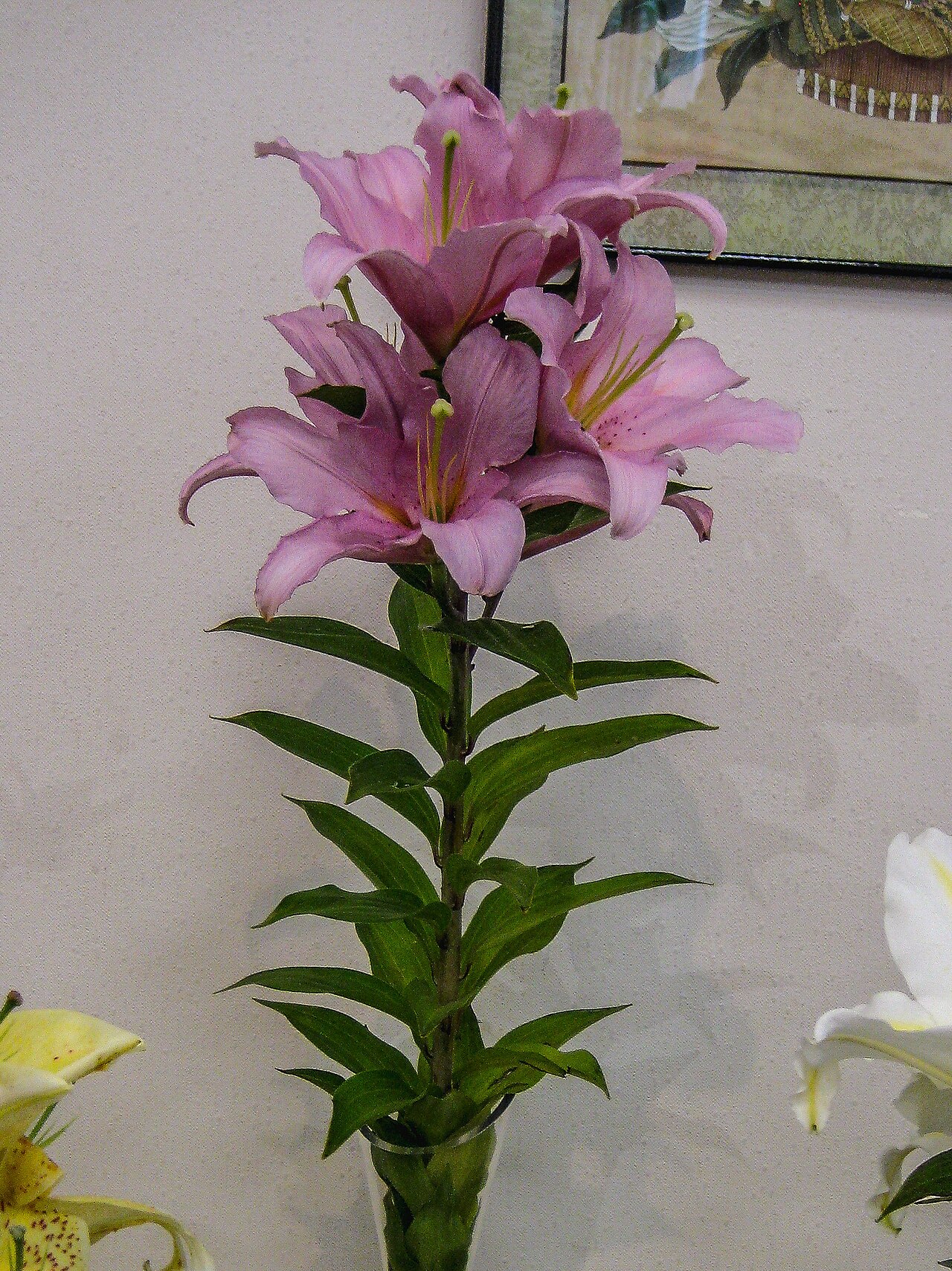
Lilium species
True lilies are highly toxic to cats, causing severe kidney damage even with minimal exposure. While data for dogs is less definitive, they should still be kept away from all parts of the plant.
Safety status
Cats
Potentially toxicConsulted references classify the plant as toxic or irritating for that pet type.
Verified against ASPCA/provenance audit 2026-05-06 on May 6, 2026.
Sources
True lilies (Lilium species) and daylilies are a feline emergency, not a wait-and-see plant. Every part is toxic to cats — petals, leaves, stem, pollen, and even the water in the vase — and a couple of nibbled leaves or pollen licked off the fur can cause acute kidney failure within 72 hours. If your cat has any contact with a lily, treat it as a poisoning until a vet says otherwise.
Early signs (the first few hours) are easy to miss: drooling, vomiting, decreased activity, and loss of appetite. By 12–24 hours you may see increased thirst and urination as kidney injury sets in; later you may see no urination at all, severe lethargy, or seizures, which signal advanced kidney failure.
GI signs (drooling, vomiting, appetite loss) typically appear within 0–12 hours. Kidney injury markers rise around 12–24 hours after ingestion; without treatment, fatal kidney failure can occur within 24–72 hours.
Call your vet or Pet Poison Helpline (855-764-7661) and head to an emergency clinic immediately — even before symptoms appear. The treatment window is roughly 18 hours from ingestion; after that, kidney damage is often irreversible. Do not wait for vomiting or lethargy to confirm it.
Get to a veterinary clinic now — there is no useful at-home treatment for lily exposure in cats. Do NOT try to make your cat vomit on your own; call your vet or Pet Poison Helpline first. If pollen is on the coat, gently wipe or wash it off so your cat can't groom it down. Bring a piece of the plant or a clear photo so the vet can confirm it's a true lily.
Sources: ASPCA, Pet Poison Helpline, FDA.
If a pet has chewed or swallowed plant material and is showing symptoms, contact a veterinarian or poison resource immediately. This product is for structured reference, not diagnosis.
Cats — concern notes
Common signs
Vomiting, lethargy, loss of appetite, increased thirst, and frequent urination.
Escalation note
Extremely severe; ingestion of even small amounts of pollen or petals can lead to acute kidney failure. Contact a veterinarian immediately if ingestion is suspected.
Safer alternatives
Some links earn us a small commission. They never affect our safety classifications.
ASPCA Toxic Plant List
toxicology · 99% reliability
Members of the Lilium species are considered highly toxic to cats, causing kidney failure.
Yes — true lilies (Lilium species) are extremely toxic to cats. Even a small amount of pollen, a few petals, or water from a vase can cause acute kidney failure. The ASPCA classifies them as potentially toxic with a confidence of 0.97, and ingestion should be treated as a life-threatening emergency.
Early signs appear within 0–12 hours and include drooling, vomiting, decreased activity, and loss of appetite — and are easy to miss. By 12–24 hours, kidney injury sets in and you may see increased thirst and frequent urination. Without treatment, cats can progress to producing no urine at all, severe lethargy, or seizures within 24–72 hours, indicating advanced kidney failure.
The treatment window is roughly 18 hours from ingestion — after that, kidney damage is often irreversible. Do not wait for symptoms to appear before acting; call your vet or the Pet Poison Helpline (855-764-7661) and head to an emergency clinic immediately, even if your cat seems fine right now.
Gently wipe or wash the pollen off immediately so your cat cannot groom it down and ingest it, then go to a veterinary clinic right away. Do not try to induce vomiting on your own — call your vet or the ASPCA Animal Poison Control Center (888-426-4435) first. Bring a piece of the plant or a clear photo so the vet can confirm the species.
Same cat verdict
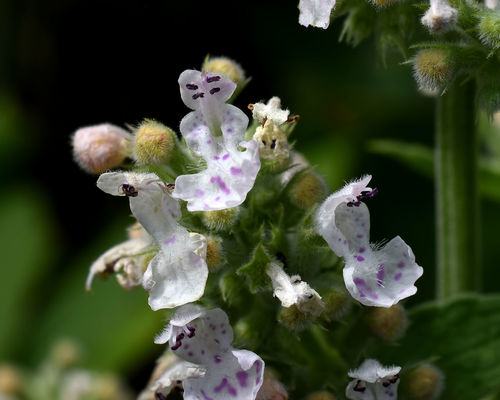
Catnip is a member of the mint family known for its stimulating effects on many cats, though ingestion of large quantities can cause gastrointestinal distress. It is generally considered safe for dogs, though it is not a standard part of their diet.
Potentially toxic for cats.
Uncertain for dogs.

Day lilies are popular garden perennials known for their vibrant, trumpet-shaped blooms. While beautiful, they are highly dangerous to cats and should be kept strictly out of reach.
Potentially toxic for cats.
Uncertain for dogs.

The Orange Day Lily is a perennial flowering plant known for its vibrant, trumpet-shaped blooms. While popular in gardens, it is highly dangerous to cats if ingested.
Potentially toxic for cats.
Uncertain for dogs.