Dogs
UncertainIdentity or evidence quality is not strong enough for a firm answer.
Verified against ASPCA/provenance audit 2026-05-06 on May 6, 2026.
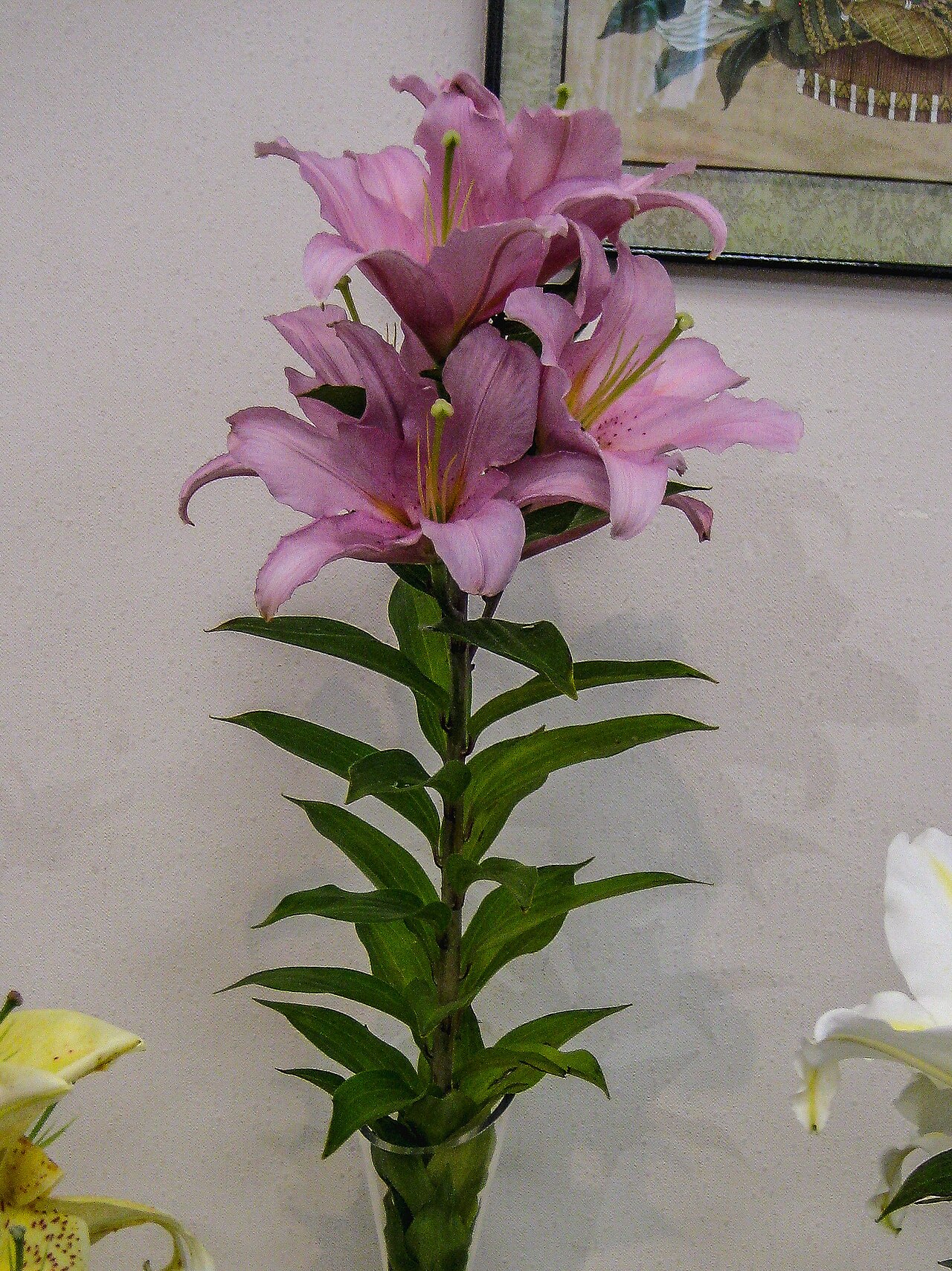
Lilium asiatica
Asian lilies are popular ornamental flowering plants known for their vibrant blooms, but they pose a significant health risk to certain pets. Ingestion of any part of the plant can lead to severe systemic issues.
Safety status
Dogs
UncertainIdentity or evidence quality is not strong enough for a firm answer.
Verified against ASPCA/provenance audit 2026-05-06 on May 6, 2026.
For dogs, an Asiatic Lily nibble means stomach upset — not the kidney crisis cats face. Pet Poison Helpline reports that dogs ingesting Lilium species develop only mild GI signs, while ASPCA flags Asiatic Lily as a serious cat-specific hazard.
Vomiting (often the first sign), drooling, mild diarrhea, and occasionally swelling of the lips or oral cavity with pawing at the face or a hoarse-sounding bark. Whole-bulb ingestion is an additional obstruction risk in small dogs.
Onset is typically within a few hours; mild GI signs usually resolve within 24-48 hours with rest and hydration. Bulb obstructions can present hours to days later.
Call your vet if your dog ate the bulb, vomiting persists past a few hours, you see oral swelling, voice change, or refusal to eat or drink. ASPCA Animal Poison Control (888-426-4435) and Pet Poison Helpline (855-764-7661) are open 24/7.
Sources: ASPCA, Pet Poison Helpline (no first-aid guidance).
If a pet has chewed or swallowed plant material and is showing symptoms, contact a veterinarian or poison resource immediately. This product is for structured reference, not diagnosis.
Dogs — concern notes
Common signs
Mild gastrointestinal upset, such as vomiting or diarrhea, may occur if ingested.
Escalation note
While not considered as lethal to dogs as it is to cats, ingestion should be avoided. Consult a veterinarian if your dog consumes any part of the plant.
Safer alternatives
No hand-picked alternatives for this plant yet. You can still pick your own using the Compare button on any other plant.
NC State Extension Plant Toolbox
botanical · 94% reliability
Lilium is a genus of herbaceous flowering plants growing from bulbs, all with large prominent flowers.
Asiatic lilies are classified as uncertain risk for dogs — unlike cats, where lily ingestion is a known emergency, dogs typically experience only mild gastrointestinal upset such as vomiting or diarrhea if they eat part of the plant. Ingestion should still be avoided, and you should contact your vet if your dog has consumed any part of the plant.
Watch for vomiting (usually the first sign), drooling, mild diarrhea, and occasionally swelling of the lips or oral cavity with pawing at the face or a hoarse-sounding bark. If your dog swallowed a whole bulb, especially a small dog, there is also a risk of physical obstruction that can appear hours to days later.
Contact your veterinarian. Call immediately if your dog ate the bulb, vomiting persists past a few hours, you notice oral swelling, a voice change, or your dog refuses to eat or drink. For 24/7 poison guidance, reach ASPCA Animal Poison Control at (888) 426-4435 or Pet Poison Helpline at (855) 764-7661.
Onset of mild GI signs typically occurs within a few hours of ingestion, and most cases resolve within 24–48 hours with rest and hydration. Bulb ingestion carries a separate obstruction risk that can present hours to days later, so monitor your dog closely over that window even if initial symptoms seem mild.
Same dog verdict
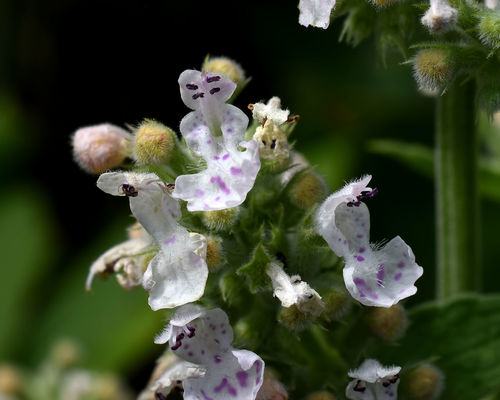
Catnip is a member of the mint family known for its stimulating effects on many cats, though ingestion of large quantities can cause gastrointestinal distress. It is generally considered safe for dogs, though it is not a standard part of their diet.
Potentially toxic for cats.
Uncertain for dogs.

Day lilies are popular garden perennials known for their vibrant, trumpet-shaped blooms. While beautiful, they are highly dangerous to cats and should be kept strictly out of reach.
Potentially toxic for cats.
Uncertain for dogs.

The Orange Day Lily is a perennial flowering plant known for its vibrant, trumpet-shaped blooms. While popular in gardens, it is highly dangerous to cats if ingested.
Potentially toxic for cats.
Uncertain for dogs.