Cats
Potentially toxicConsulted references classify the plant as toxic or irritating for that pet type.
Verified against ASPCA/provenance audit 2026-05-06 on May 6, 2026.
Sources
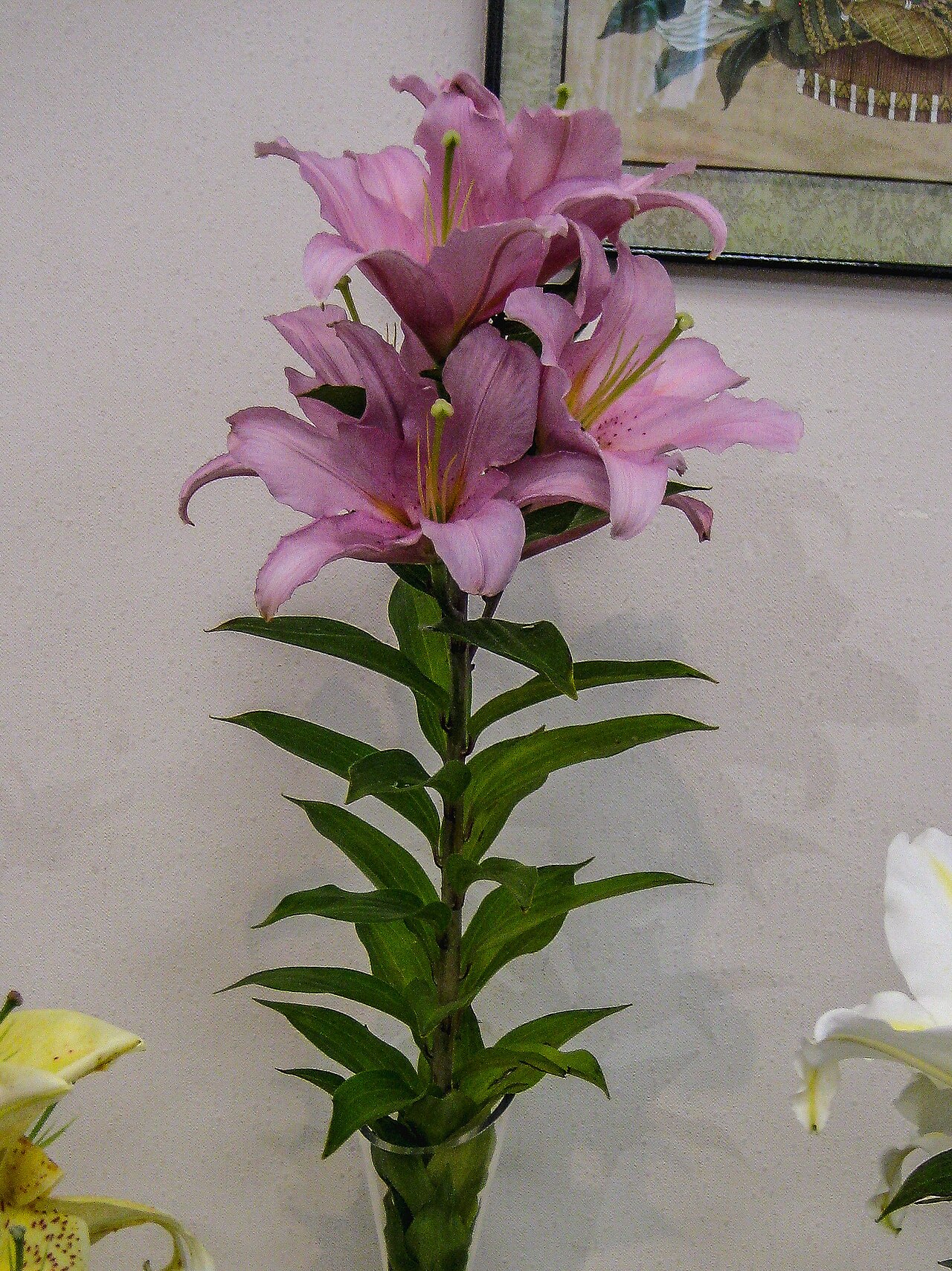
Lilium asiatica
Asian lilies are popular ornamental flowering plants known for their vibrant blooms, but they pose a significant health risk to certain pets. Ingestion of any part of the plant can lead to severe systemic issues.
Safety status
Cats
Potentially toxicConsulted references classify the plant as toxic or irritating for that pet type.
Verified against ASPCA/provenance audit 2026-05-06 on May 6, 2026.
Sources
Asiatic lilies are one of the most dangerous plants a cat can encounter. Every part — petals, leaves, pollen, even the water in the vase — can trigger acute kidney failure, and a cat that just grooms pollen off its fur has been exposed. This is a true emergency: if there is any chance your cat made contact with the plant, treat it as a poisoning until a vet says otherwise.
Early signs are vomiting, drooling, and loss of appetite, often within 6–12 hours. Lethargy and hiding follow. As the kidneys fail, you'll see increased thirst and urination, which then drops off as urine production stops. Any pollen on the fur, face, or paws — or chewed leaf fragments — is itself enough reason to act, even if your cat seems fine.
Vomiting and lethargy typically appear within 6–12 hours of exposure. Renal tubular necrosis develops within 24–72 hours. IV fluids started within 18 hours generally yield a good prognosis; delayed treatment beyond 18–24 hours frequently results in irreversible kidney failure.
Call immediately. Do not wait for symptoms. The window for fluid therapy that protects the kidneys is roughly 18 hours; after that the prognosis turns grave. Pet Poison Helpline (855-764-7661) and ASPCA Poison Control (888-426-4435) both run 24/7 and can talk you through next steps while you head to the clinic.
Get to a vet now — first aid does not substitute for treatment. While you arrange transport, keep the cat away from the plant and the vase water. If pollen is visible on the fur, wipe and gently bathe the affected area to prevent further ingestion during grooming. Do not try to induce vomiting at home; hydrogen peroxide is not safe for cats and decontamination decisions belong to the vet.
Sources: ASPCA, Pet Poison Helpline.
If a pet has chewed or swallowed plant material and is showing symptoms, contact a veterinarian or poison resource immediately. This product is for structured reference, not diagnosis.
Cats — concern notes
Common signs
Vomiting, lethargy, loss of appetite, and signs of acute kidney failure such as increased thirst and urination.
Escalation note
Extremely dangerous; ingestion of even small amounts can cause irreversible kidney damage. Contact a veterinarian immediately if ingestion is suspected.
Safer alternatives
No hand-picked alternatives for this plant yet. You can still pick your own using the Compare button on any other plant.
ASPCA Toxic Plant List
toxicology · 99% reliability
Lilium species are considered highly toxic to cats, causing acute kidney failure.
Yes, Asiatic lilies (Lilium asiatica) are extremely dangerous to cats. Every part of the plant — including petals, leaves, pollen, and even the vase water — can cause irreversible kidney failure. Even a small amount ingested is enough to be life-threatening.
Early signs appear within 6–12 hours and include vomiting, drooling, lethargy, and loss of appetite. As kidney damage progresses over 24–72 hours, you may notice increased thirst and urination, which can then drop off entirely as the kidneys stop producing urine. Pollen on the fur, face, or paws is itself a reason to act, even if your cat appears well.
The treatment window is roughly 18 hours. IV fluids started within that window generally yield a good prognosis; waiting beyond 18–24 hours frequently results in irreversible kidney failure. Do not wait for symptoms to appear — call your vet, ASPCA Animal Poison Control (888) 426-4435, or Pet Poison Helpline (855-764-7661) immediately.
Get to a vet immediately — do not wait to see if symptoms develop. While arranging transport, keep the cat away from the plant and vase water, and if pollen is visible on the fur, gently wipe or bathe the area to prevent further ingestion during grooming. Do not attempt to induce vomiting at home; hydrogen peroxide is unsafe for cats and decontamination decisions belong to the veterinarian.
Same cat verdict
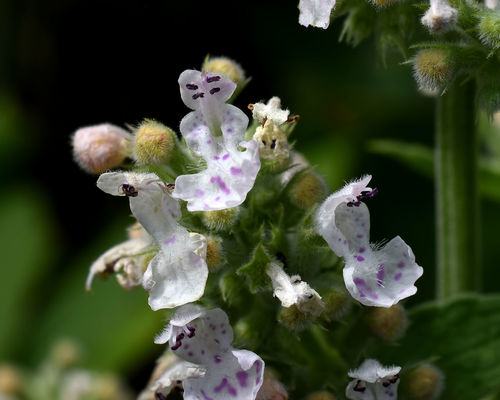
Catnip is a member of the mint family known for its stimulating effects on many cats, though ingestion of large quantities can cause gastrointestinal distress. It is generally considered safe for dogs, though it is not a standard part of their diet.
Potentially toxic for cats.
Uncertain for dogs.
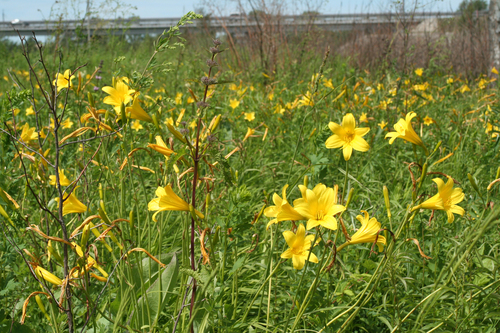
Day lilies are popular garden perennials known for their vibrant, trumpet-shaped blooms. While beautiful, they are highly dangerous to cats and should be kept strictly out of reach.
Potentially toxic for cats.
Uncertain for dogs.
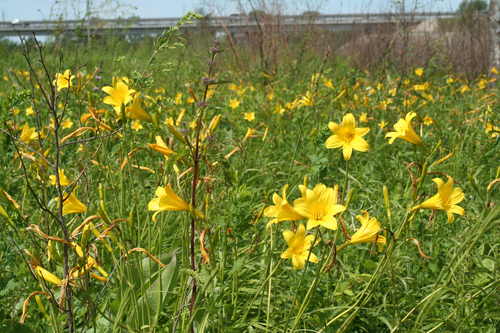
The Orange Day Lily is a perennial flowering plant known for its vibrant, trumpet-shaped blooms. While popular in gardens, it is highly dangerous to cats if ingested.
Potentially toxic for cats.
Uncertain for dogs.