Dogs
Potentially toxicConsulted references classify the plant as toxic or irritating for that pet type.
Verified against ASPCA/provenance audit 2026-05-06 on May 6, 2026.
Sources
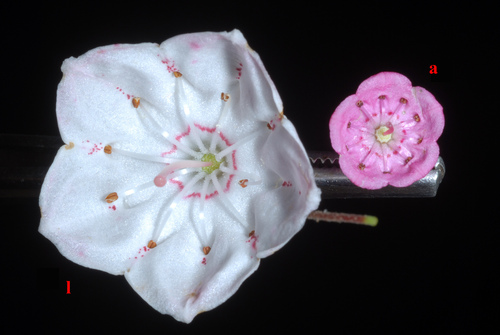
Kalmia poliifolia
Bog Laurel is a small, evergreen shrub native to North American wetlands, known for its clusters of delicate, cup-shaped pink flowers. It contains grayanotoxins, which are highly dangerous if ingested by pets.
Safety status
Dogs
Potentially toxicConsulted references classify the plant as toxic or irritating for that pet type.
Verified against ASPCA/provenance audit 2026-05-06 on May 6, 2026.
Sources
Dogs should not eat any part of bog laurel — leaves, flowers, nectar, and pollen all contain grayanotoxins that can disrupt heart rhythm and breathing within hours. ASPCA classifies it as toxic to dogs, and Pet Poison Helpline groups it with mountain laurel as one of the more dangerous garden plants. Treat exposure as an emergency, even if your dog seems fine at first.
Earliest signs are heavy drooling and vomiting, often starting 1–4 hours after a chew. Diarrhea, lethargy, and unsteady walking commonly follow. With larger ingestions, watch for tremors, a slow or irregular heartbeat, weakness, and laboured breathing — these point to grayanotoxin's effects on cardiac and skeletal muscle and warrant an immediate ER visit.
Pet Poison Helpline notes clinical signs typically develop within 1–4 hours of ingestion, occasionally as long as 12 hours. Recovery time depends on dose and how quickly supportive care begins; severe cases may need 24–48 hours of in-hospital monitoring.
Call right away — do not wait for symptoms. Even a few leaves matter for small dogs. Treat any vomiting, drooling, change in heart rate or breathing, or sudden weakness as an emergency and head to a vet or ER.
Remove any remaining leaves from your dog's mouth and bag a sample of the plant — your vet will want to see it. Do not induce vomiting at home; grayanotoxin cases benefit from controlled veterinary decontamination, ideally within 2 hours. Call ASPCA Poison Control (888-426-4435) or Pet Poison Helpline (855-764-7661) on the way to the clinic.
Sources: ASPCA, Pet Poison Helpline.
If a pet has chewed or swallowed plant material and is showing symptoms, contact a veterinarian or poison resource immediately. This product is for structured reference, not diagnosis.
Dogs — concern notes
Common signs
Excessive salivation, vomiting, diarrhea, weakness, difficulty breathing, and potential heart rate irregularities.
Escalation note
Ingestion of this plant is considered a medical emergency due to the presence of potent grayanotoxins. Seek immediate veterinary care if your dog has consumed any part of this plant.
Safer alternatives
No hand-picked alternatives for this plant yet. You can still pick your own using the Compare button on any other plant.
ASPCA Toxic Plant List
toxicology · 99% reliability
Bog Laurel (Kalmia poliifolia) is listed as toxic to both cats and dogs due to grayanotoxins.
NC State Extension Plant Toolbox
botanical · 94% reliability
Kalmia polifolia is a native evergreen shrub that thrives in acidic, boggy soils and is known to be toxic to animals.
Yes, Bog Laurel (Kalmia poliifolia) is highly toxic to dogs. It contains potent grayanotoxins that affect cardiac and skeletal muscle, and ingestion of any part of the plant is considered a medical emergency requiring immediate veterinary care.
Early signs typically appear within 1–4 hours of ingestion and include heavy drooling and vomiting, followed by diarrhea, lethargy, and unsteady walking. Larger ingestions can cause tremors, a slow or irregular heartbeat, weakness, and laboured breathing — these are signs of serious grayanotoxin poisoning.
Remove any remaining plant material from your dog's mouth and bag a sample to bring to the vet. Do not induce vomiting at home — grayanotoxin cases benefit from controlled veterinary decontamination, ideally within 2 hours. Call ASPCA Poison Control (888-426-4435) or Pet Poison Helpline (855-764-7661) immediately and head to a clinic without waiting for symptoms.
Clinical signs typically develop within 1–4 hours of ingestion, though onset can be delayed up to 12 hours in some cases. Even a few leaves pose a serious risk to small dogs, and severe cases may require 24–48 hours of in-hospital monitoring; do not wait for symptoms before calling a vet.
Same dog verdict
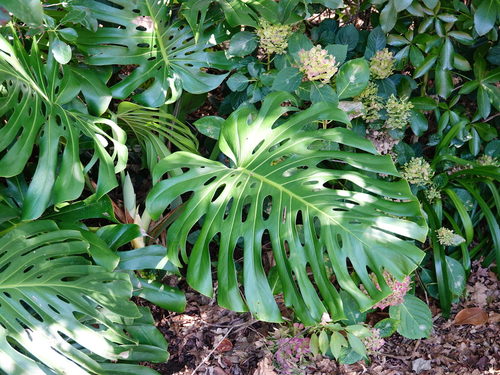
Monstera deliciosa is a popular tropical houseplant known for its large, fenestrated leaves and vining growth habit. It contains insoluble calcium oxalate crystals that can cause irritation if ingested by pets.
Potentially toxic for cats & dogs.
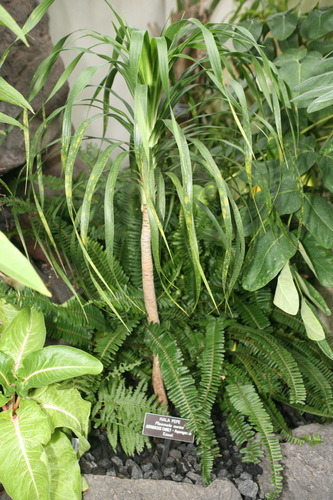
Dracaena trifasciata is a popular, hardy houseplant known for its stiff, sword-like leaves with striking yellow margins. It is widely appreciated for its air-purifying qualities and ability to thrive in various indoor conditions.
Potentially toxic for cats & dogs.
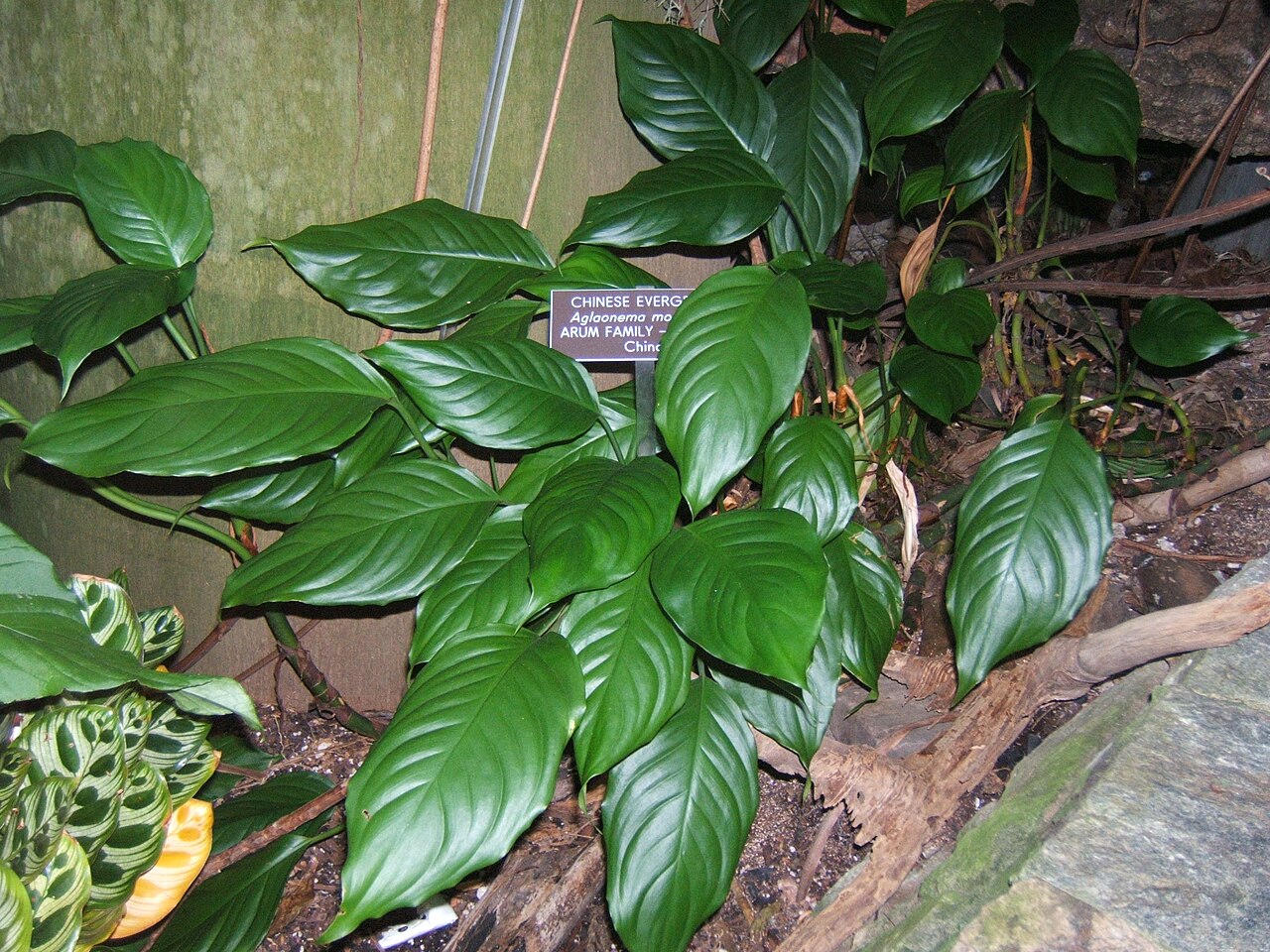
Chinese Evergreen is a popular indoor foliage plant known for its patterned leaves and tolerance of low light conditions. It contains insoluble calcium oxalate crystals that can cause irritation if ingested or chewed.
Potentially toxic for cats & dogs.
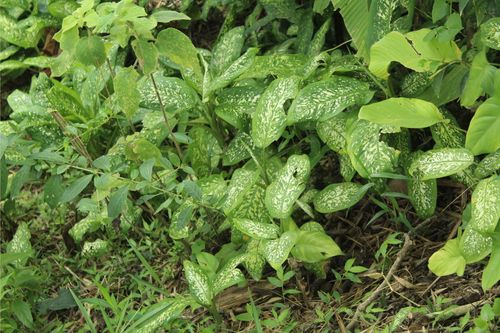
Dieffenbachia is a popular tropical houseplant known for its large, variegated leaves. It contains insoluble calcium oxalate crystals that can cause irritation if ingested or chewed.
Potentially toxic for cats & dogs.