Compare

Kalanchoe vs. Mother of Millions: which is safe for cats and dogs?

Kalanchoe and Mother of Millions are frequently confused because both plants share the common-name alias Mother of Millions, leading many pet owners to believe they are distinct species with different safety profiles. In reality, both plants are members of the same genus and are potentially toxic to pets. Each contains cardiac glycosides that can cause serious health complications if ingested by cats or dogs. While their physical appearances differ, the risk level remains high for both, and any ingestion should be treated as a medical emergency. Understanding these shared risks is essential for keeping your home environment safe for your furry companions.

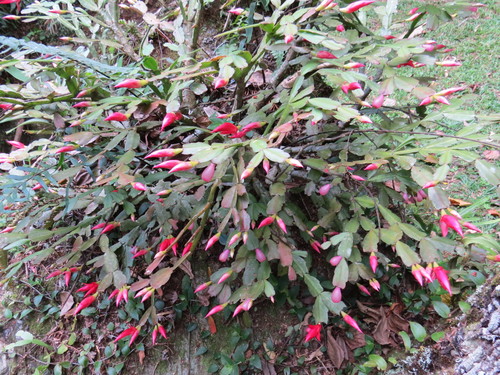
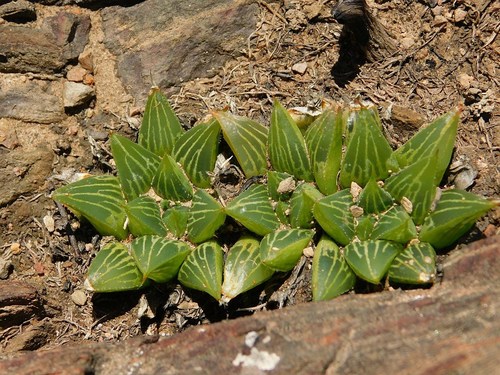
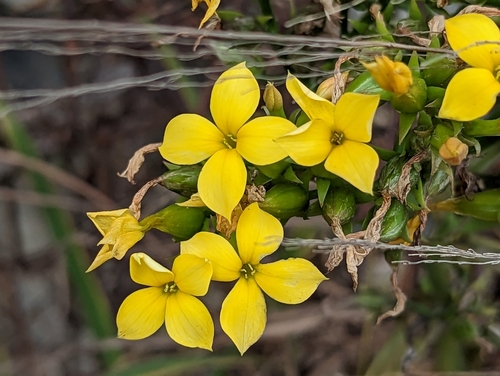
Kalanchoe

Kalanchoe spp

Kalanchoe is a popular succulent genus known for its clusters of vibrant, long-lasting flowers. While visually appealing, all parts of the plant contain cardiac glycosides that can be harmful if ingested by pets.

cat

Potentially toxic

Consulted references classify the plant as toxic or irritating for that pet type.

Watch for

Vomiting, diarrhea, drooling, and potential heart rhythm abnormalities.

dog

Potentially toxic

Consulted references classify the plant as toxic or irritating for that pet type.

Watch for

Vomiting, diarrhea, lethargy, and potential cardiac arrhythmias.
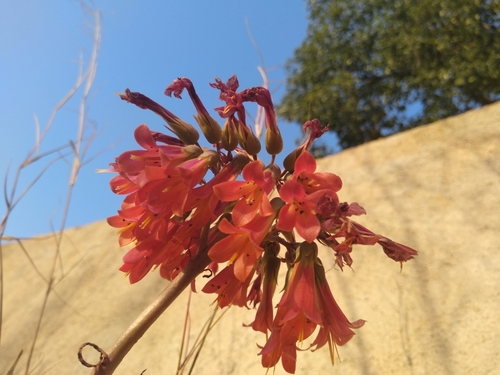
Mother of Millions

Kalanchoe tubiflora

The Chandelier Plant is a succulent known for its unique, tubular leaves and prolific production of plantlets along the leaf margins. It contains cardiac glycosides that can cause significant health issues if ingested by pets.

cat

Potentially toxic

Consulted references classify the plant as toxic or irritating for that pet type.

Watch for

Drooling, vomiting, diarrhea, and potential heart rhythm abnormalities.

dog

Potentially toxic

Consulted references classify the plant as toxic or irritating for that pet type.

Watch for

Vomiting, lethargy, abdominal pain, and potential cardiac arrhythmias.

Safer alternatives

Some links earn us a small commission. They never affect our safety classifications.