Cats & Dogs
Generally safeConsulted references do not classify the plant as toxic for that pet type, while still allowing for mild GI upset if large amounts are chewed.
Verified against ASPCA/provenance audit 2026-05-06 on May 6, 2026.

Echinopsis multiplex
The Easter Lily Cactus is a popular, low-maintenance succulent known for its large, fragrant, trumpet-shaped flowers. While generally considered safe for pets, it is a cactus and should be kept out of reach to avoid injury from its spines.
Safety status
Cats & Dogs
Generally safeConsulted references do not classify the plant as toxic for that pet type, while still allowing for mild GI upset if large amounts are chewed.
Verified against ASPCA/provenance audit 2026-05-06 on May 6, 2026.
If a pet has chewed or swallowed plant material and is showing symptoms, contact a veterinarian or poison resource immediately. This product is for structured reference, not diagnosis.
Cats — concern notes
Common signs
None expected from toxicity; however, ingestion of large amounts of fibrous plant material may cause mild gastrointestinal upset such as vomiting or diarrhea.
Escalation note
The plant is non-toxic, but the physical structure of the cactus can cause mechanical irritation. Contact your veterinarian if your pet experiences persistent digestive distress.
Dogs — concern notes
Common signs
None expected from toxicity; however, ingestion of large amounts of fibrous plant material may cause mild gastrointestinal upset such as vomiting or diarrhea.
Escalation note
The plant is non-toxic, but the physical structure of the cactus can cause mechanical irritation. Contact your veterinarian if your pet experiences persistent digestive distress.
Bring it home
Easter Lily Cactusis generally pet-safe in ordinary household exposure. If you’d like one for your space, here’s a starting point.
Shop on AmazonSome links earn us a small commission. They never affect our safety classifications.
ASPCA Toxic and Non-Toxic Plants List
toxicology · 99% reliability
The Easter Lily Cactus is listed as non-toxic to both cats and dogs.
Plants of the World Online - Echinopsis multiplex
botanical · 95% reliability
Accepted scientific name and taxonomic classification for Echinopsis multiplex.
No, the Easter Lily Cactus (Echinopsis multiplex) is considered non-toxic to cats. Unlike the true Easter Lily, which is severely toxic to cats, this cactus poses no known chemical toxicity risk.
Ingesting small amounts is not expected to cause toxicity symptoms. Large amounts of fibrous cactus material may cause mild gastrointestinal upset such as vomiting or diarrhea. Contact your veterinarian if digestive distress persists.
Check your cat's mouth, paws, and face for embedded spines, which can cause mechanical irritation even though the plant itself is non-toxic. Remove any visible spines carefully and monitor for signs of discomfort or persistent drooling. Call your vet if your cat seems in pain or stops eating.
Yes — the physical spines are the primary hazard, not any chemical compound in the plant. Spines can puncture skin, embed in paws or the mouth, and cause localized irritation or infection if not removed. Keep the cactus in a location your cat cannot reach or brush against.
No, the Easter Lily Cactus (Echinopsis multiplex) is non-toxic to dogs. It is not expected to cause poisoning, though like any plant material eaten in large amounts, it may cause mild gastrointestinal upset such as vomiting or diarrhea.
Toxicity is not a concern, but two issues can arise: eating a large amount of fibrous cactus material may cause vomiting or diarrhea, and the plant's spines can cause mechanical irritation to your dog's mouth, paws, or digestive tract. Monitor for persistent drooling, pawing at the mouth, or ongoing digestive distress.
Yes, the physical spines pose more risk than any toxic effect — they can puncture skin, embed in paws or gums, and cause irritation or injury if chewed or stepped on. Keep the plant out of your dog's reach to prevent spine-related injuries.
If your dog only nibbled a small amount and shows no symptoms, close monitoring at home is reasonable. Call your veterinarian if your dog shows persistent vomiting, diarrhea, or signs of mouth or digestive discomfort — these would point to mechanical irritation from the spines rather than poisoning.
Same safety verdict
Dinteranthus is a small, stone-like succulent native to South Africa, prized for its unique pebble-like appearance and drought tolerance. It is considered safe for households with pets, though its fibrous texture may cause minor digestive discomfort if consumed in large quantities.
Generally safe for cats & dogs.
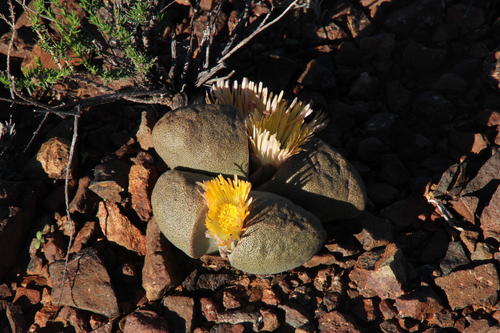
The Living Rock Cactus is a unique succulent that mimics the appearance of stones to blend into its natural environment. It is considered non-toxic to pets, though its fibrous texture may cause minor digestive discomfort if consumed in large quantities.
Generally safe for cats & dogs.

Purple Baby Tears is a small, succulent plant native to South Africa, prized for its unique windowed leaves and vibrant purple flowers. It is considered safe for households with pets, though ingestion of any plant material can occasionally cause minor digestive discomfort.
Generally safe for cats & dogs.
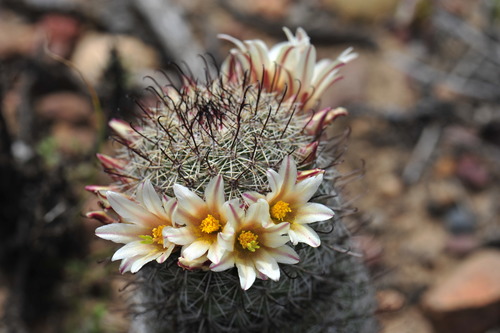
The Thimble Cactus is a small, clumping succulent known for its delicate, finger-like stems covered in soft spines. It is generally considered safe for pets, though its physical structure may cause minor irritation if ingested.
Generally safe for cats & dogs.
Same growing conditions
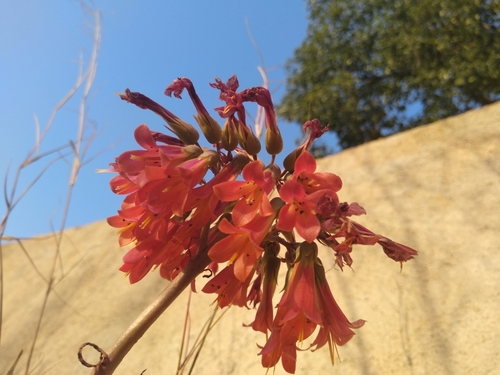
The Chandelier Plant is a succulent known for its unique, tubular leaves and prolific production of plantlets along the leaf margins. It contains cardiac glycosides that can cause significant health issues if ingested by pets.
Potentially toxic for cats & dogs.
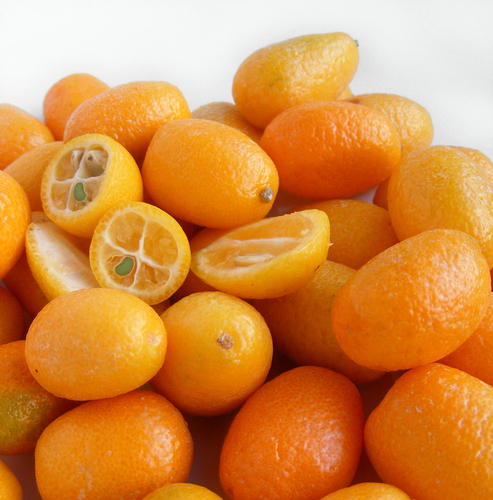
The Calamondin Orange is a small citrus tree often grown as an ornamental houseplant for its fragrant flowers and small, edible-looking fruit. It contains essential oils and psoralens that can cause irritation if ingested or touched by pets.
Potentially toxic for cats & dogs.
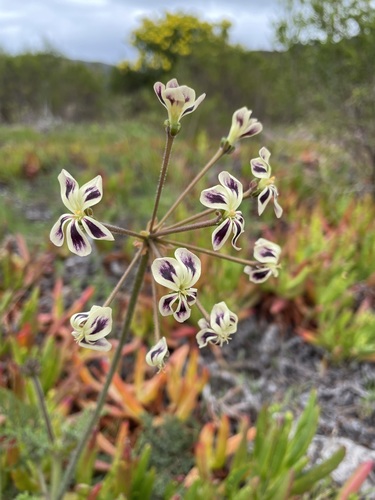
Scented geraniums are popular aromatic houseplants known for their fragrant foliage and clusters of small flowers. While prized for their scent, they contain essential oils that can cause irritation if ingested by pets.
Potentially toxic for cats & dogs.