Cats
Potentially toxicConsulted references classify the plant as toxic or irritating for that pet type.
Verified against ASPCA/provenance audit 2026-05-06 on May 6, 2026.
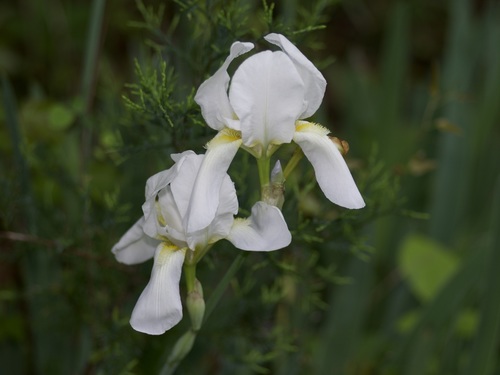
Iris species
Iris species are popular perennial garden plants known for their showy, complex flowers and sword-like foliage. They contain chemical compounds that can cause gastrointestinal irritation if ingested by pets.
Safety status
Cats
Potentially toxicConsulted references classify the plant as toxic or irritating for that pet type.
Verified against ASPCA/provenance audit 2026-05-06 on May 6, 2026.
Cats that chew iris leaves or, worse, dig up and bite the rhizome usually get a mouth full of bitter sap and a bad afternoon. The toxic principles — pentacyclic terpenoids called zeorin, missourin, and missouriensin — are most concentrated in the rhizome. The ASPCA classifies iris as toxic but not life-threatening to cats; signs are usually limited to mild GI upset.
Most common: drooling and salivation (a cat backing away from a leaf and licking her lips), then vomiting, lethargy, and loose stools. Mild oral irritation is the rule; severe systemic illness from a leaf nibble is uncommon.
Onset within 1–2 hours of ingestion. The ASPCA does not publish a precise duration; mild GI upset from iris generally resolves in 12–24 hours once the plant material clears.
Call your vet if drooling or vomiting persists more than a few hours, if your cat refuses food or water for more than 12 hours, or if she becomes notably lethargic. Rhizome ingestion is the higher-concern exposure — call the same day even if she seems okay. The ASPCA Animal Poison Control Center (888-426-4435) can triage based on amount eaten.
Remove any plant pieces from your cat's mouth and the area. Offering a bowl of fresh water or a small amount of milk may help dilute the irritation, per VCA Animal Hospitals' general toxic-plant guidance. Do not try to induce vomiting at home — there is no safe over-the-counter way to do this in cats. Call your vet or the ASPCA Animal Poison Control Center (888-426-4435) for next steps.
Sources: ASPCA, VCA Animal Hospitals.
If a pet has chewed or swallowed plant material and is showing symptoms, contact a veterinarian or poison resource immediately. This product is for structured reference, not diagnosis.
Cats — concern notes
Common signs
Drooling, vomiting, diarrhea, and lethargy.
Escalation note
Ingestion of the rhizomes or leaves can cause significant irritation to the mouth and digestive tract. Please contact your veterinarian if you suspect your cat has ingested any part of this plant.
Safer alternatives
No hand-picked alternatives for this plant yet. You can still pick your own using the Compare button on any other plant.
Remove any plant material from your cat's mouth and the surrounding area. Offering fresh water or a small amount of milk may help dilute the irritation. Do not try to induce vomiting at home — there is no safe over-the-counter method for cats. Call your vet or the ASPCA Animal Poison Control Center at (888) 426-4435 for guidance on next steps.
Yes, rhizome ingestion is the higher-concern exposure. If your cat chewed or ate a rhizome, call your vet the same day even if she currently seems fine. A leaf nibble is lower risk and mild GI upset typically resolves within 12–24 hours, but persistent drooling or vomiting, refusal to eat or drink for more than 12 hours, or notable lethargy all warrant a same-day vet call regardless of which part was eaten.
Yes, iris is toxic to cats. All parts of the plant can cause harm, but the rhizomes (underground bulb-like stems) are the highest-concern part — ingestion can cause significant irritation to the mouth and digestive tract.
Signs typically appear within 1–2 hours of ingestion and include drooling, vomiting, diarrhea, and lethargy. You may first notice your cat backing away from the plant and licking her lips as a sign of oral irritation. Mild GI upset is the most common outcome from a leaf nibble; severe systemic illness is uncommon.
Same cat verdict
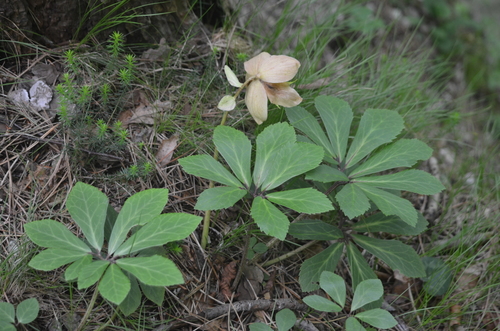
The Christmas Rose is a perennial flowering plant known for its winter blooms, but it contains cardiac glycosides that are harmful if ingested. It is considered toxic to both cats and dogs.
Potentially toxic for cats & dogs.
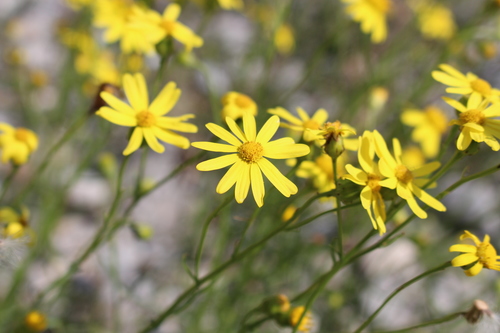
Golden Ragwort is a flowering perennial known for its bright yellow blooms and foliage. It contains pyrrolizidine alkaloids that can cause significant health issues if ingested by pets.
Potentially toxic for cats & dogs.
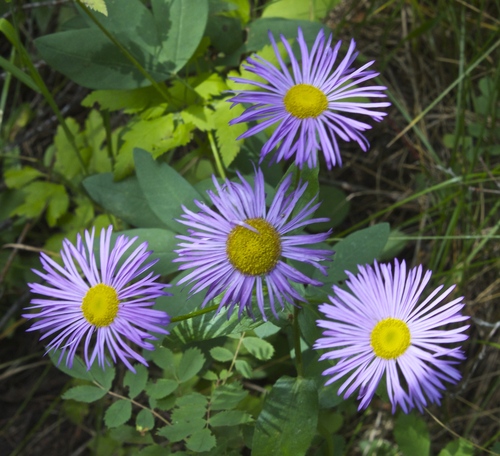
Erigeron speciosus is a perennial flowering plant in the daisy family known for its showy, lavender-blue blooms. While popular in gardens, it is considered toxic to household pets if ingested.
Potentially toxic for cats & dogs.
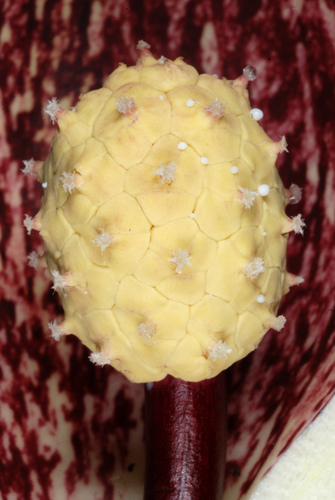
Skunk Cabbage is a wetland-dwelling perennial known for its distinct odor and early spring emergence. It contains calcium oxalate crystals which can cause irritation upon ingestion.
Potentially toxic for cats & dogs.