Dogs
Potentially toxicConsulted references classify the plant as toxic or irritating for that pet type.
Verified against ASPCA/provenance audit 2026-05-06 on May 6, 2026.
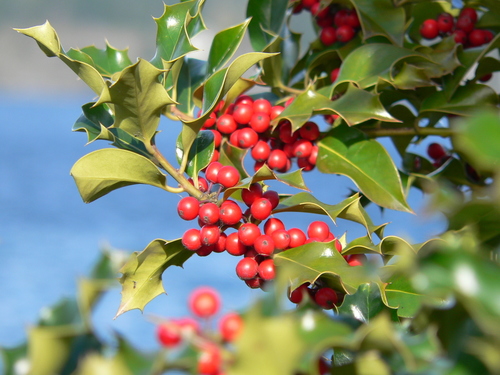
Ilex aquifolium
English Holly is an evergreen shrub or tree known for its glossy, spiny leaves and bright red berries. While ornamental, the plant contains compounds that can cause gastrointestinal distress if ingested by pets.
Safety status
Dogs
Potentially toxicConsulted references classify the plant as toxic or irritating for that pet type.
Verified against ASPCA/provenance audit 2026-05-06 on May 6, 2026.
English holly is a low-grade hazard for dogs: the spiny leaves cause mechanical mouth irritation, and the leaves and berries contain saponins that upset the gut. Most cases are mild, but a dog that hoovers up a pile of fallen berries — or chews a holly wreath off the door — can vomit hard for several hours. Berries are the most toxic part.
Lip-smacking, drooling, and head-shaking from the spines. Vomiting (often with visible leaf bits). Diarrhea. Lethargy and reduced appetite for a day. Larger volumes — especially berries — drive more pronounced vomiting and dehydration risk.
GI signs typically begin within a few hours of ingestion. Most dogs recover within 24 hours; exact onset and duration are not well documented in the cited sources.
Call your vet or ASPCA Poison Control at (888) 426-4435 if you know your dog ate multiple berries, vomiting is severe or persists more than a few hours, or your dog seems unusually tired or won't drink.
Don't try home remedies — Pet Poison Helpline specifically warns against milk, peanut butter, raw eggs, or table salt before calling. Remove any uneaten leaves or berries from your dog's reach, then call Pet Poison Helpline at (855) 764-7661 or ASPCA Poison Control at (888) 426-4435 before doing anything else.
Sources: ASPCA, Pet Poison Helpline.
If a pet has chewed or swallowed plant material and is showing symptoms, contact a veterinarian or poison resource immediately. This product is for structured reference, not diagnosis.
Dogs — concern notes
Common signs
Vomiting, diarrhea, and drooling.
Escalation note
The plant material can cause irritation to the digestive tract. If your dog has consumed this plant, monitor for signs of illness and consult your veterinarian for professional guidance.
Safer alternatives
No hand-picked alternatives for this plant yet. You can still pick your own using the Compare button on any other plant.
NC State Extension Plant Toolbox
botanical · 94% reliability
Ilex aquifolium is an evergreen shrub with spiny leaves and red berries that are toxic if ingested.
Yes, English Holly (Ilex aquifolium) is potentially toxic to dogs. The plant's leaves and berries can irritate the digestive tract, causing vomiting, diarrhea, and drooling if ingested.
GI signs typically begin within a few hours of ingestion. Watch for lip-smacking, drooling, head-shaking from the spines, vomiting (sometimes with visible leaf bits), diarrhea, and lethargy. Larger amounts — especially berries — increase the risk of pronounced vomiting and dehydration. Most dogs recover within 24 hours.
Remove any remaining leaves or berries from your dog's reach immediately. Do not give milk, peanut butter, raw eggs, or salt — Pet Poison Helpline specifically warns against these home remedies. Call Pet Poison Helpline at (855) 764-7661 or ASPCA Animal Poison Control at (888) 426-4435 before doing anything else.
Call your vet or ASPCA Animal Poison Control at (888) 426-4435 if your dog ate multiple berries, vomiting is severe or continues for more than a few hours, or your dog seems unusually lethargic or refuses to drink — these signs raise the risk of dehydration and warrant prompt evaluation.
Same dog verdict
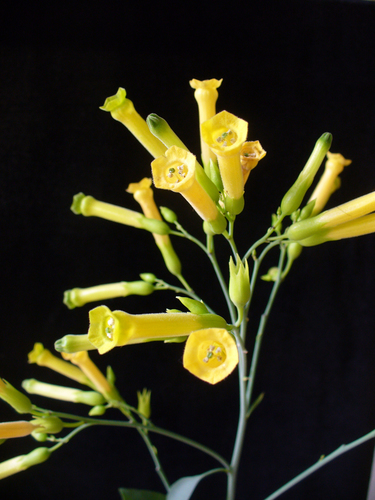
Nicotiana glauca is a fast-growing shrub known for its glaucous, blue-green foliage and tubular yellow flowers. It contains pyridine alkaloids, specifically anabasine, which are highly toxic to animals if ingested.
Potentially toxic for cats & dogs.

Monstera deliciosa is a popular tropical houseplant known for its large, fenestrated leaves and vining growth habit. It contains insoluble calcium oxalate crystals that can cause irritation if ingested by pets.
Potentially toxic for cats & dogs.

Dracaena trifasciata is a popular, hardy houseplant known for its stiff, sword-like leaves with striking yellow margins. It is widely appreciated for its air-purifying qualities and ability to thrive in various indoor conditions.
Potentially toxic for cats & dogs.
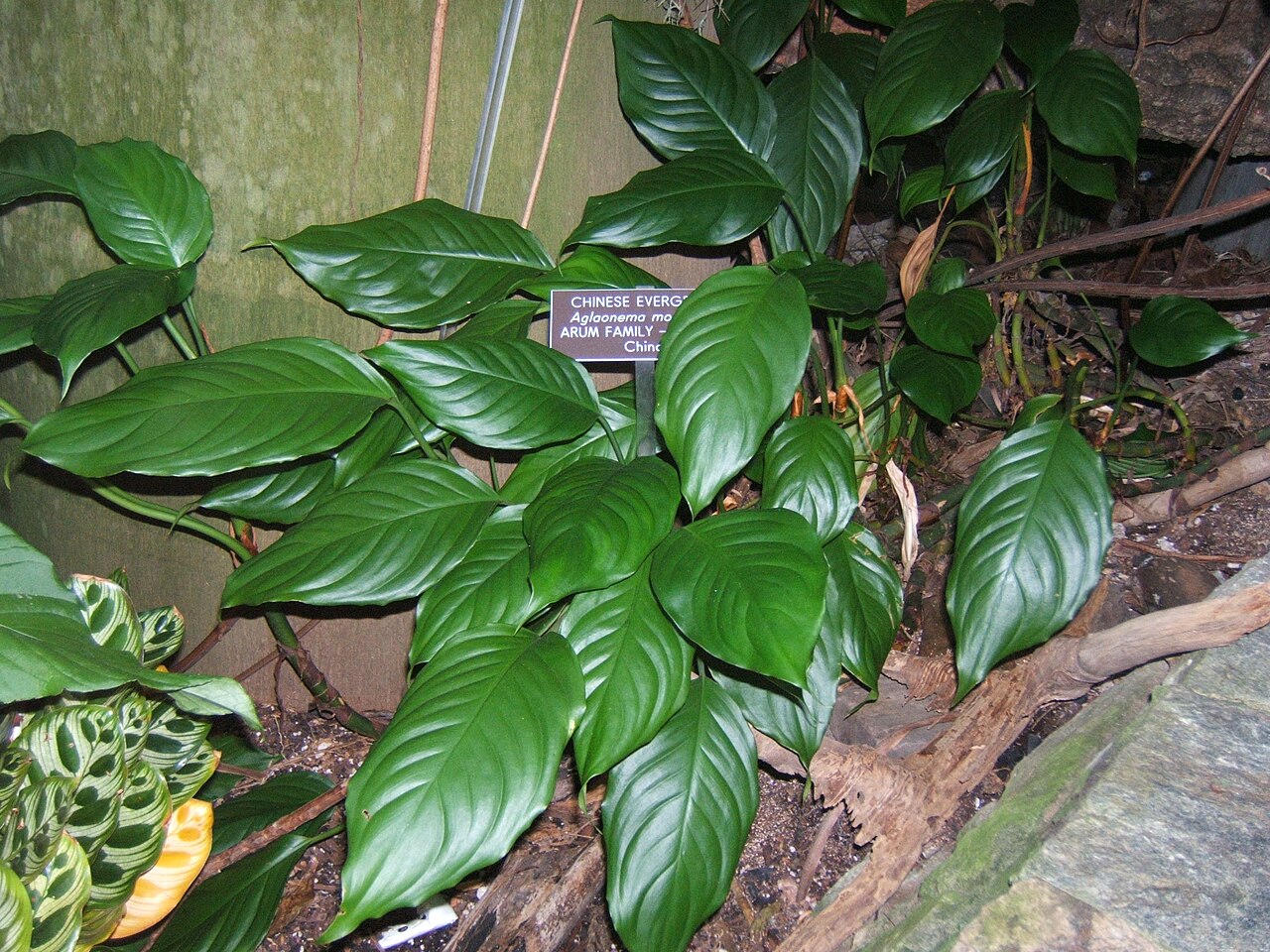
Chinese Evergreen is a popular indoor foliage plant known for its patterned leaves and tolerance of low light conditions. It contains insoluble calcium oxalate crystals that can cause irritation if ingested or chewed.
Potentially toxic for cats & dogs.