Dogs
Potentially toxicConsulted references classify the plant as toxic or irritating for that pet type.
Verified against ASPCA/provenance audit 2026-05-06 on May 6, 2026.
Sources
Hosta plantaginea
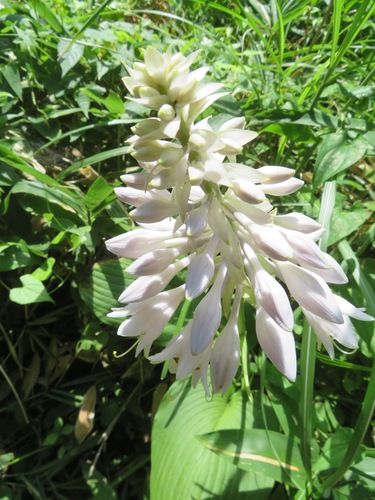
Hosta plantaginea is a popular shade-loving perennial known for its lush, broad foliage and fragrant white flowers. While prized in garden landscapes, it contains saponins that can cause gastrointestinal distress if ingested by pets.
Safety status
Dogs
Potentially toxicConsulted references classify the plant as toxic or irritating for that pet type.
Verified against ASPCA/provenance audit 2026-05-06 on May 6, 2026.
Sources
Dogs that chew or eat Hosta foliage typically develop GI upset within hours. The toxic principle is saponins — bitter phytochemicals that irritate the stomach and intestines. The ASPCA does not consider Hosta life-threatening, but a snack-sized ingestion is enough to cause real misery for a few days.
Most common: vomiting and diarrhea. Also expected: lethargy, depression (a quiet, withdrawn dog), and loss of appetite. Watch for bloody stool or repeated vomiting that prevents your dog from keeping water down — those raise the urgency.
Onset typically within a few hours of ingestion. The ASPCA does not publish a precise duration; saponin GI signs in dogs generally resolve in 24–48 hours with supportive care once the plant material has cleared the digestive tract.
Call your vet if vomiting or diarrhea persists past a single episode, if your dog refuses water for more than a few hours, if you see blood in vomit or stool, or if a small or senior dog seems unusually depressed. For a healthy adult dog with one or two soft stools and no other signs, supportive care at home is usually enough — but call the ASPCA Animal Poison Control Center at (888) 426-4435 for a case-specific risk assessment.
Remove any remaining plant material from your dog's mouth and the area, and offer fresh water. Do not induce vomiting unless a veterinarian or the ASPCA Animal Poison Control Center tells you to. Call (888) 426-4435 or your vet for guidance before giving any medications or home remedies.
Sources: ASPCA, ASPCA Animal Poison Control Center.
If a pet has chewed or swallowed plant material and is showing symptoms, contact a veterinarian or poison resource immediately. This product is for structured reference, not diagnosis.
Dogs — concern notes
Common signs
Vomiting, diarrhea, and lethargy.
Escalation note
Symptoms are generally limited to the digestive tract. Consult a veterinarian if you suspect your dog has ingested Hosta to ensure proper monitoring and care.
Safer alternatives
Some links earn us a small commission. They never affect our safety classifications.
ASPCA Toxic Plant List
toxicology · 99% reliability
Hosta is listed as toxic to dogs and cats, containing saponins that cause vomiting, diarrhea, and depression.
NC State Extension Plant Toolbox
botanical · 94% reliability
Hosta plantaginea is a shade-tolerant perennial with large, heart-shaped leaves and fragrant white flowers.
Yes, hostas are toxic to dogs. They contain saponins, which can cause vomiting, diarrhea, and lethargy if ingested. The ASPCA classifies hostas as poisonous to dogs, so they are best kept out of reach in gardens where dogs roam.
The most common signs are vomiting, diarrhea, and lethargy. You may also notice your dog seems unusually quiet or withdrawn, or loses interest in food. Watch closely for bloody stool or repeated vomiting that prevents your dog from keeping water down, as those signs raise the urgency for veterinary care.
Remove any remaining plant material from your dog's mouth and the area, then offer fresh water. Do not induce vomiting unless directed by a professional. Call the ASPCA Animal Poison Control Center at (888) 426-4435 or your vet before giving any medications or home remedies — they can give you a case-specific risk assessment.
Symptoms typically begin within a few hours of ingestion. Saponin-related GI signs generally resolve within 24–48 hours once the plant material has cleared your dog's digestive tract. A healthy adult dog with mild symptoms can often recover with supportive care at home, but call your vet if vomiting or diarrhea persists past a single episode or if your dog refuses water for more than a few hours.
Same dog verdict
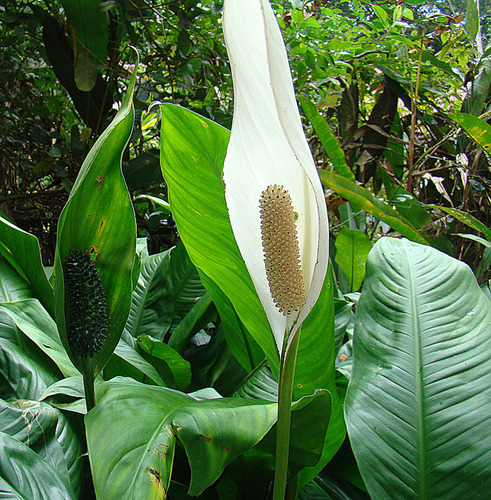
The Mauna Loa Peace Lily is a popular indoor plant known for its elegant white spathes and lush foliage. It contains insoluble calcium oxalate crystals that can cause irritation upon contact or ingestion.
Potentially toxic for cats & dogs.
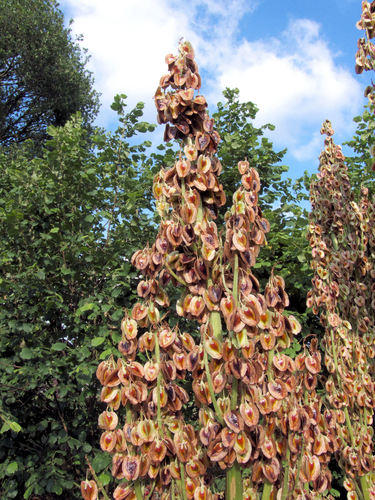
Rhubarb is a perennial vegetable known for its edible stalks, but its leaves contain high levels of soluble oxalate crystals that are harmful if ingested. It is widely grown in gardens for culinary use but requires caution regarding pet access to the foliage.
Potentially toxic for cats & dogs.
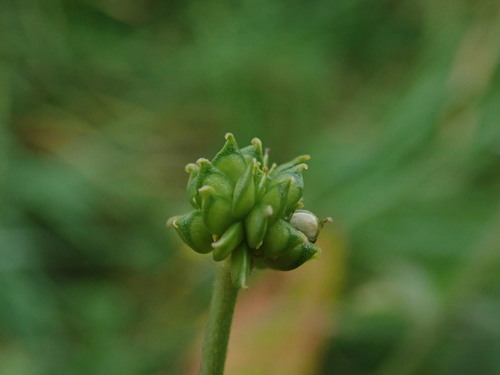
Ranunculus acris is a perennial herbaceous plant known for its bright yellow flowers and presence in meadows. It contains compounds that can cause irritation upon contact or ingestion.
Potentially toxic for cats & dogs.
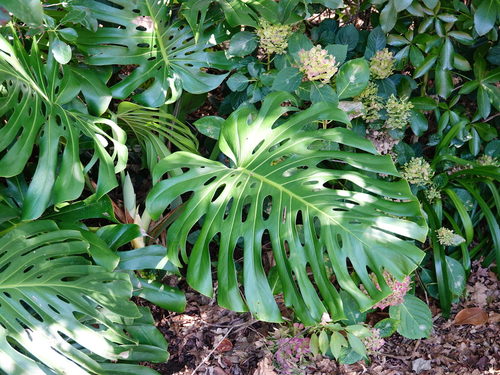
Monstera deliciosa is a popular tropical houseplant known for its large, fenestrated leaves and vining growth habit. It contains insoluble calcium oxalate crystals that can cause irritation if ingested by pets.
Potentially toxic for cats & dogs.