Cats
Potentially toxicConsulted references classify the plant as toxic or irritating for that pet type.
Verified against ASPCA/provenance audit 2026-05-06 on May 6, 2026.
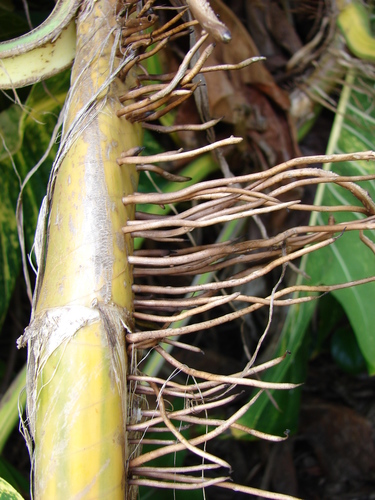
Epipremnum aureum
Devil's Ivy is a popular trailing houseplant known for its heart-shaped leaves and ease of care. It contains insoluble calcium oxalate crystals that can cause irritation if ingested by pets.
Safety status
Cats
Potentially toxicConsulted references classify the plant as toxic or irritating for that pet type.
Verified against ASPCA/provenance audit 2026-05-06 on May 6, 2026.
Pothos is one of the most-chewed houseplants in cat households because the trailing vines look like prey. The leaves are studded with insoluble calcium oxalate raphides — needle-like crystals that fire into the tongue and gums the moment a cat bites down. The reaction looks alarming (drooling, pawing, vomiting) but in most cats stays confined to the mouth and stomach and resolves within a couple of days.
First few minutes: hypersalivation, lip licking, head shaking, pawing at the muzzle, and rubbing the face on furniture or the floor. Within roughly half an hour: vomiting (often with visible leaf fragments), gagging, reluctance to eat or drink, and mild lethargy. Less common but worth watching for: visible swelling inside the mouth or any change in breathing.
Hypersalivation and pawing usually start within 0–5 minutes of chewing. Vomiting and reluctance to eat tend to follow within 5–30 minutes. With supportive care, most cats recover within 1–3 days.
Call your vet or Pet Poison Helpline (855-764-7661) any time drooling persists more than an hour, your cat won't drink water, vomiting keeps recurring, or you see swelling of the lips or tongue. Difficulty breathing or any sign of airway swelling is an emergency — head straight to a clinic.
Remove any leaf material still in your cat's mouth and gently rinse the mouth with clean, cool water to flush out remaining crystals. Do NOT induce vomiting — bringing the oxalate material back up causes additional burning to the esophagus and mouth. Then call your vet or Pet Poison Helpline.
Sources: ASPCA, Pet Poison Helpline.
If a pet has chewed or swallowed plant material and is showing symptoms, contact a veterinarian or poison resource immediately. This product is for structured reference, not diagnosis.
Cats — concern notes
Common signs
Oral irritation, intense burning and irritation of mouth, tongue and lips, excessive drooling, vomiting, and difficulty swallowing.
Escalation note
The presence of insoluble calcium oxalate crystals causes immediate mechanical irritation. If your cat has ingested this plant, please contact your veterinarian or a pet poison control center.
Safer alternatives
Some links earn us a small commission. They never affect our safety classifications.
Yes, pothos (Epipremnum aureum) is toxic to cats. It contains insoluble calcium oxalate crystals that cause immediate mechanical irritation to the mouth, tongue, and lips when chewed. The ASPCA classifies it as potentially toxic for cats.
Symptoms typically start within 0–5 minutes of chewing: hypersalivation, lip licking, head shaking, and pawing at the muzzle. Within 5–30 minutes you may see vomiting (sometimes with visible leaf fragments), gagging, and reluctance to eat or drink. Visible swelling inside the mouth or any change in breathing is less common but serious.
Remove any remaining leaf material from your cat's mouth and gently rinse the mouth with clean, cool water to flush out crystals. Do NOT induce vomiting — bringing the material back up causes additional burning to the esophagus. Then call your vet or the ASPCA Animal Poison Control Center at (888) 426-4435.
Every part of the pothos plant contains insoluble calcium oxalate crystals, so leaves, stems, and roots are all a risk. When chewed, these microscopic crystals physically puncture and irritate the soft tissue of the mouth, tongue, and throat — the damage is mechanical, not chemical, which is why symptoms are immediate and localized rather than systemic.
Same cat verdict
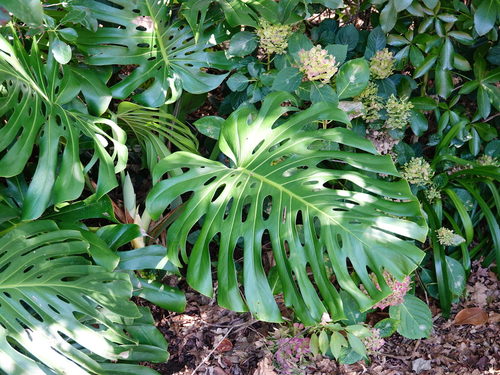
Monstera deliciosa is a popular tropical houseplant known for its large, fenestrated leaves and vining growth habit. It contains insoluble calcium oxalate crystals that can cause irritation if ingested by pets.
Potentially toxic for cats & dogs.
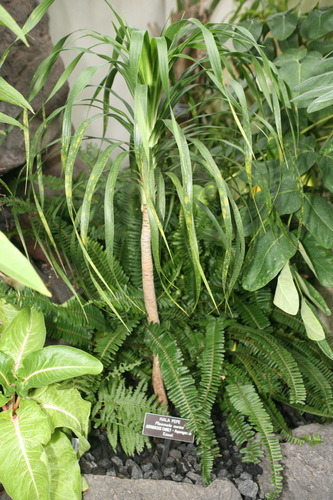
Dracaena trifasciata is a popular, hardy houseplant known for its stiff, sword-like leaves with striking yellow margins. It is widely appreciated for its air-purifying qualities and ability to thrive in various indoor conditions.
Potentially toxic for cats & dogs.
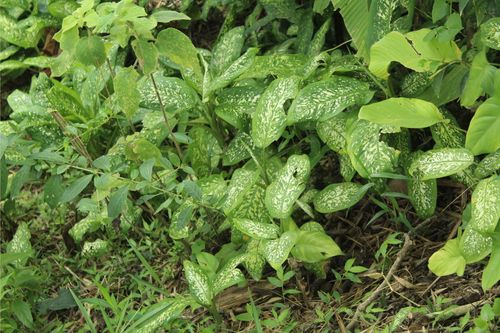
Dieffenbachia is a popular tropical houseplant known for its large, variegated leaves. It contains insoluble calcium oxalate crystals that can cause irritation if ingested or chewed.
Potentially toxic for cats & dogs.
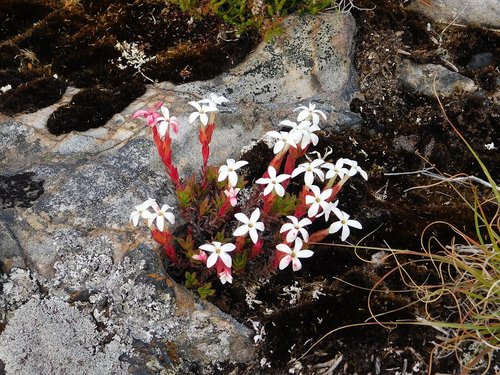
The Jade Plant is a popular succulent known for its thick, woody stems and fleshy, oval-shaped leaves. While aesthetically pleasing, it contains compounds that can cause gastrointestinal distress if ingested by pets.
Potentially toxic for cats & dogs.