Dogs
Generally safeConsulted references do not classify the plant as toxic for that pet type, while still allowing for mild GI upset if large amounts are chewed.
Verified against ASPCA/provenance audit 2026-05-06 on May 6, 2026.
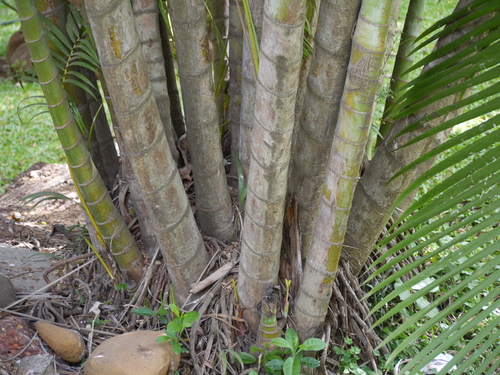
Dypsis lutescens
The Areca Palm is a popular indoor palm known for its feathery, arching fronds and air-purifying qualities. It is considered safe for households with pets, though its fibrous nature may cause minor digestive discomfort if ingested in large quantities.
Safety status
Dogs
Generally safeConsulted references do not classify the plant as toxic for that pet type, while still allowing for mild GI upset if large amounts are chewed.
Verified against ASPCA/provenance audit 2026-05-06 on May 6, 2026.
Dogs are listed as safe around Areca Palm by ASPCA — Dypsis lutescens has no documented toxic principle for dogs, and no canine poisoning symptoms are on record. The fibrous fronds aren't appetizing to most dogs and are generally ignored.
Sources: ASPCA.
If a pet has chewed or swallowed plant material and is showing symptoms, contact a veterinarian or poison resource immediately. This product is for structured reference, not diagnosis.
Dogs — concern notes
Common signs
None typically expected; however, consumption of large amounts of fibrous plant material may cause mild vomiting or diarrhea.
Escalation note
This plant is non-toxic. If your dog consumes a significant portion of the plant and exhibits persistent gastrointestinal distress, please contact your veterinarian.
Bring it home
Areca Palmis generally pet-safe in ordinary household exposure. If you’d like one for your space, here’s a starting point.
Shop on AmazonSome links earn us a small commission. They never affect our safety classifications.
No, areca palm (Dypsis lutescens) is considered non-toxic to dogs. It is classified as generally safe for households with dogs, meaning ingestion is not expected to cause poisoning.
Eating small amounts of areca palm is unlikely to cause any harm. However, because the fronds are fibrous, consuming large quantities may lead to mild vomiting or diarrhea from the bulk plant material rather than any toxic compounds.
There is no toxic dose because areca palm contains no known toxins harmful to dogs. Problems, if any, are purely mechanical — a dog that eats a significant portion of the plant may experience temporary GI upset from the fibrous material, which typically resolves on its own.
A small amount of chewing is not a medical emergency since the plant is non-toxic. If your dog ate a large quantity and is showing persistent vomiting or diarrhea that does not improve within a few hours, contact your veterinarian.
Same dog verdict
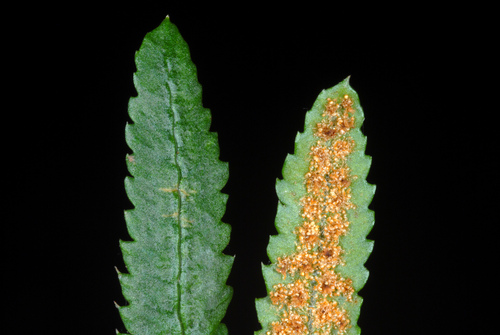
The Christmas Fern is a hardy, evergreen perennial native to North America, prized for its leathery, dark green fronds that remain vibrant throughout the winter months. It is considered safe for households with pets, though its fibrous texture may cause minor digestive discomfort if consumed in large quantities.
Generally safe for cats & dogs.
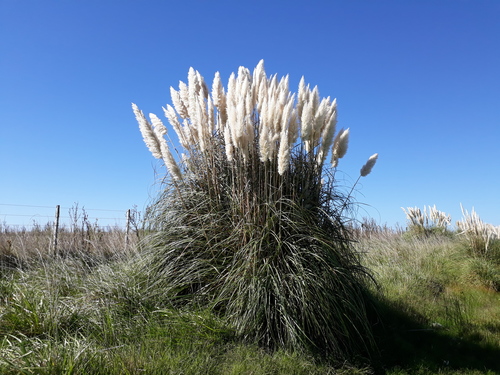
Pampas Grass is a large, ornamental perennial grass known for its dramatic, feathery plumes and sharp-edged foliage. It is generally considered safe for pets, though its fibrous nature may cause mild digestive irritation if consumed in large quantities.
Generally safe for cats & dogs.
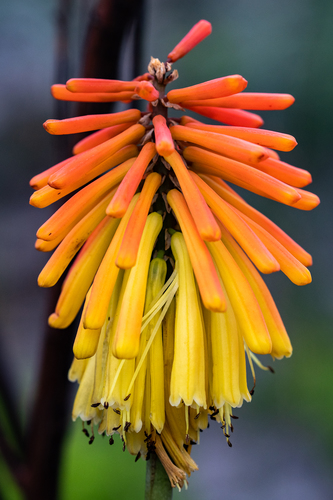
Torch Lily is a striking perennial known for its tall, flame-like flower spikes that add dramatic color to garden landscapes. It is considered non-toxic to pets, though its fibrous foliage may cause minor digestive irritation if consumed in large quantities.
Generally safe for cats & dogs.
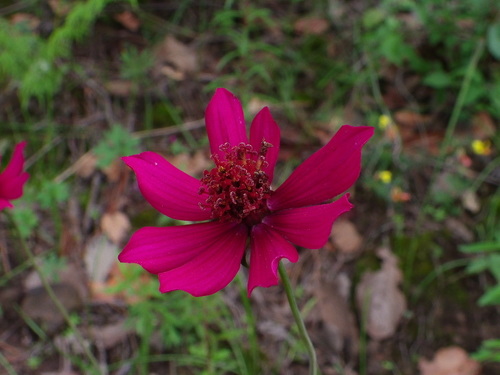
Garden cosmos is a daisy-like annual usually treated as a pet-safe flowering option, though any large plant ingestion can still cause mild stomach upset.
Generally safe for cats & dogs.