Dogs
Potentially toxicConsulted references classify the plant as toxic or irritating for that pet type.
Verified against ASPCA/provenance audit 2026-05-06 on May 6, 2026.
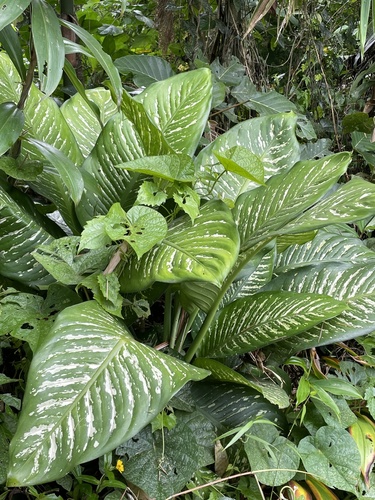
Dieffenbachia picta
Dieffenbachia picta is a popular tropical houseplant known for its striking, variegated foliage. It contains insoluble calcium oxalate crystals that can cause irritation if ingested or handled.
Safety status
Dogs
Potentially toxicConsulted references classify the plant as toxic or irritating for that pet type.
Verified against ASPCA/provenance audit 2026-05-06 on May 6, 2026.
Dogs that mouth or chew Gold Dieffenbachia hit insoluble calcium oxalate crystals on the first bite — the pain is immediate, which is usually enough to keep them from swallowing much. Most cases are painful but mild and resolve within a day.
Pawing at the mouth, head shaking, and drooling are most common, followed by oral or tongue swelling, vomiting, and decreased appetite. Severe airway swelling that interferes with breathing is rare but possible.
Signs usually appear within minutes to a couple of hours of chewing; most dogs recover within 24 hours with supportive care.
Call your vet or Pet Poison Helpline if you see visible swelling around the mouth, persistent drooling, vomiting, or any change in breathing.
Rinse your dog's mouth with cool water or milk — milk's calcium binds the oxalate crystals and reduces the burning. Offer chicken broth or canned tuna water to encourage drinking. Do not induce vomiting unless your vet tells you to.
Sources: ASPCA, Pet Poison Helpline.
If a pet has chewed or swallowed plant material and is showing symptoms, contact a veterinarian or poison resource immediately. This product is for structured reference, not diagnosis.
Dogs — concern notes
Common signs
Oral irritation, intense burning and irritation of mouth, tongue and lips, excessive drooling, vomiting, and difficulty swallowing.
Escalation note
Ingestion typically results in immediate discomfort due to the plant's crystalline structure. Please consult your veterinarian if you suspect your dog has chewed or ingested this plant.
Safer alternatives
No hand-picked alternatives for this plant yet. You can still pick your own using the Compare button on any other plant.
NC State Extension Plant Toolbox
botanical · 94% reliability
Dieffenbachia picta is a tropical perennial that is widely grown as a houseplant for its attractive foliage.
Yes, Gold Dieffenbachia (Dieffenbachia picta) is toxic to dogs. It contains insoluble calcium oxalate crystals that cause immediate oral irritation, intense burning of the mouth, tongue, and lips, excessive drooling, vomiting, and difficulty swallowing.
Signs typically appear within minutes to a couple of hours of chewing. You'll most likely see your dog pawing at its mouth, shaking its head, and drooling heavily, followed by possible oral or tongue swelling and vomiting. Most dogs recover within 24 hours with supportive care, though severe airway swelling that interferes with breathing is rare but possible.
Rinse your dog's mouth with cool water or milk — milk's calcium helps bind the oxalate crystals and reduces burning. Offer chicken broth or canned tuna water to encourage drinking. Do not induce vomiting unless your vet instructs you to. Call your vet or the ASPCA Animal Poison Control Center at (888) 426-4435 if you see persistent drooling, vomiting, swelling around the mouth, or any change in breathing.
Dieffenbachia contains insoluble calcium oxalate crystals embedded in the plant tissue. When a dog chews the plant, these microscopic crystals are released and physically penetrate the soft tissues of the mouth, tongue, and throat, causing the immediate intense burning and irritation that is the hallmark of Dieffenbachia ingestion.
Same dog verdict
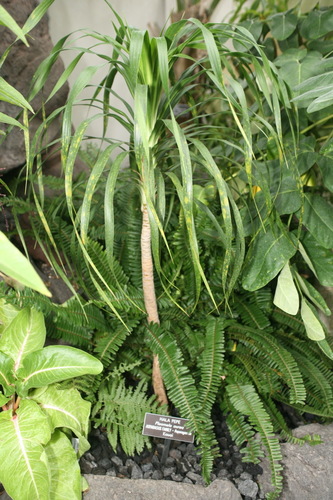
Dracaena is a popular genus of ornamental foliage plants known for their architectural, palm-like appearance. They contain saponins which can cause gastrointestinal and neurological distress if ingested by pets.
Potentially toxic for cats & dogs.
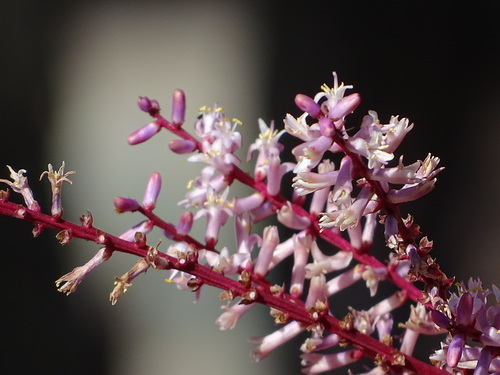
The Baby Doll Ti Plant is a popular tropical ornamental known for its vibrant, colorful foliage. It contains saponins which can cause gastrointestinal distress if ingested by pets.
Potentially toxic for cats & dogs.
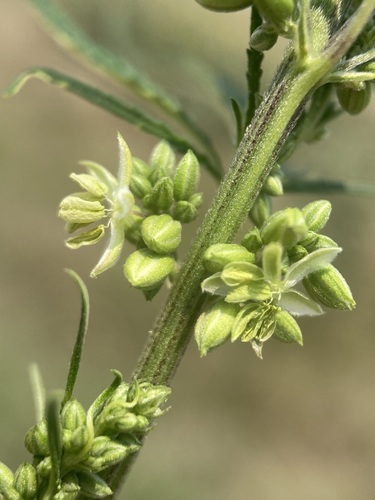
Cannabis sativa is a flowering plant species known for its psychoactive compounds, which can cause significant physiological distress if ingested by pets. It is widely recognized as a toxic substance for both cats and dogs.
Potentially toxic for cats & dogs.
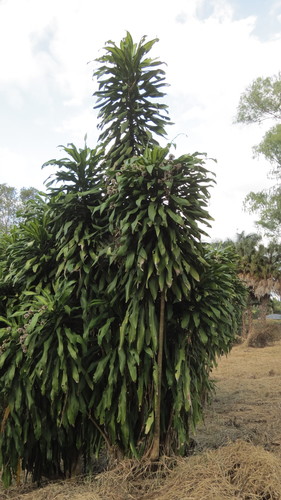
Striped Dracaena is a popular indoor foliage plant known for its long, lance-shaped leaves with distinct variegation. It contains saponins, which can cause adverse reactions if ingested by pets.
Potentially toxic for cats & dogs.