Cats
Potentially toxicConsulted references classify the plant as toxic or irritating for that pet type.
Verified against ASPCA/provenance audit 2026-05-06 on May 6, 2026.
Sources
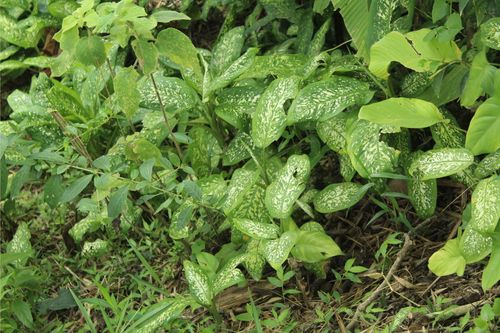
Dieffenbachia
Dieffenbachia is a popular tropical houseplant known for its large, variegated leaves. It contains insoluble calcium oxalate crystals that can cause irritation if ingested or chewed.
Safety status
Cats
Potentially toxicConsulted references classify the plant as toxic or irritating for that pet type.
Verified against ASPCA/provenance audit 2026-05-06 on May 6, 2026.
Sources
Cats that bite a dieffenbachia leaf get an immediate, dramatic mouth-pain reaction — not a slow-building toxicity. ASPCA and Pet Poison Helpline both attribute the effect to insoluble calcium oxalate crystals plus a proteolytic enzyme that mechanically pierce and inflame oral tissues the moment the leaf is chewed.
Most common in cats: sudden intense oral burning, frantic drooling and lip-smacking, refusal to eat or drink, vomiting, and difficulty swallowing. Less common but serious: visible swelling of the tongue or back of the throat, which can compromise breathing.
Pet Poison Helpline notes signs typically appear with the very first bite, occasionally taking up to two hours; oral irritation usually resolves within 12 to 24 hours once the crystals clear.
Call your vet immediately if you see any tongue or throat swelling, any change in breathing, persistent retching, or if your cat cannot close its mouth. For uncomplicated drooling alone, call within the hour.
Per Pet Poison Helpline: remove any remaining plant material from your cat's mouth and gently wipe the mouth with a wet cloth to dislodge crystals. Do NOT induce vomiting and do NOT give home antidotes without speaking to a vet or Pet Poison Helpline first.
Sources: ASPCA, Pet Poison Helpline.
If a pet has chewed or swallowed plant material and is showing symptoms, contact a veterinarian or poison resource immediately. This product is for structured reference, not diagnosis.
Cats — concern notes
Common signs
Oral irritation, intense burning and irritation of mouth, tongue and lips, excessive drooling, vomiting, and difficulty swallowing.
Escalation note
Symptoms are typically immediate upon chewing. While rarely fatal, the discomfort can be significant; contact your veterinarian if ingestion is suspected.
Safer alternatives
Some links earn us a small commission. They never affect our safety classifications.
ASPCA Toxic Plant List
toxicology · 99% reliability
Dieffenbachia contains insoluble calcium oxalate crystals that cause oral irritation.
NC State Extension Plant Toolbox
botanical · 94% reliability
Dieffenbachia is a genus of tropical flowering plants in the family Araceae, noted for their patterned leaves.
Yes, dieffenbachia is toxic to cats. It contains insoluble calcium oxalate crystals that cause immediate oral irritation, intense burning of the mouth, tongue, and lips, excessive drooling, vomiting, and difficulty swallowing. While rarely fatal, the discomfort can be significant.
Symptoms typically begin with the very first bite: sudden intense oral burning, frantic drooling and lip-smacking, refusal to eat or drink, and difficulty swallowing. Less commonly, the tongue or back of the throat can swell enough to affect breathing. Oral irritation usually resolves within 12 to 24 hours once the crystals clear.
Remove any remaining plant material from your cat's mouth and gently wipe the mouth with a wet cloth to help dislodge crystals. Do not induce vomiting and do not give home antidotes without speaking to a vet first. Call the ASPCA Animal Poison Control at (888) 426-4435 or your veterinarian right away.
Call your vet immediately if you see any swelling of the tongue or throat, any change in breathing, persistent retching, or if your cat cannot close its mouth — these signs can indicate airway compromise. For uncomplicated drooling alone, the guidance is to call within the hour rather than waiting to see if it resolves on its own.
Same cat verdict
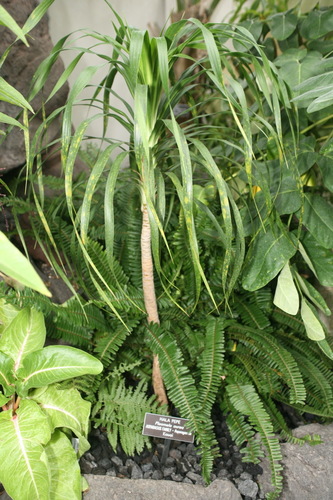
Dracaena is a popular genus of ornamental foliage plants known for their architectural, palm-like appearance. They contain saponins which can cause gastrointestinal and neurological distress if ingested by pets.
Potentially toxic for cats & dogs.
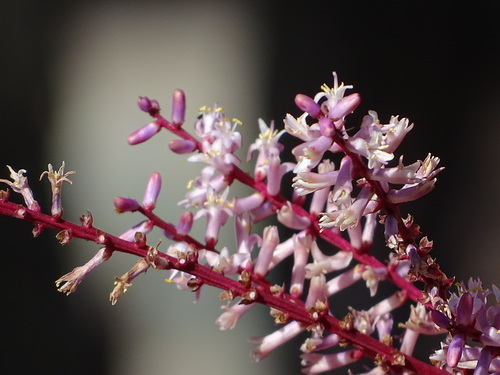
The Baby Doll Ti Plant is a popular tropical ornamental known for its vibrant, colorful foliage. It contains saponins which can cause gastrointestinal distress if ingested by pets.
Potentially toxic for cats & dogs.
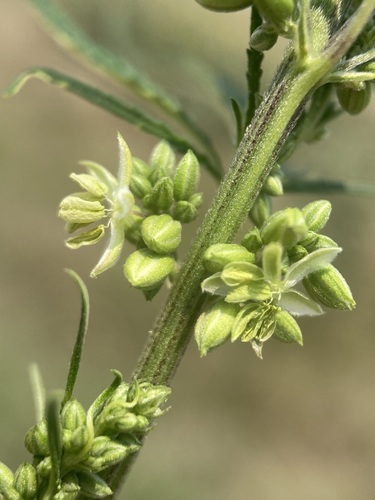
Cannabis sativa is a flowering plant species known for its psychoactive compounds, which can cause significant physiological distress if ingested by pets. It is widely recognized as a toxic substance for both cats and dogs.
Potentially toxic for cats & dogs.
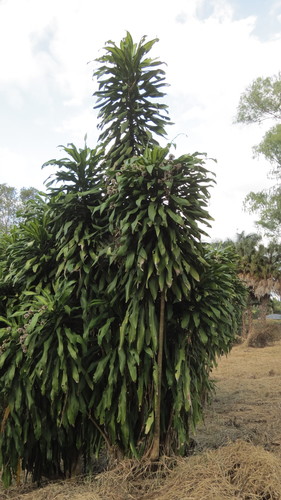
Striped Dracaena is a popular indoor foliage plant known for its long, lance-shaped leaves with distinct variegation. It contains saponins, which can cause adverse reactions if ingested by pets.
Potentially toxic for cats & dogs.