Cats
Potentially toxicConsulted references classify the plant as toxic or irritating for that pet type.
Verified against ASPCA/provenance audit 2026-05-06 on May 6, 2026.
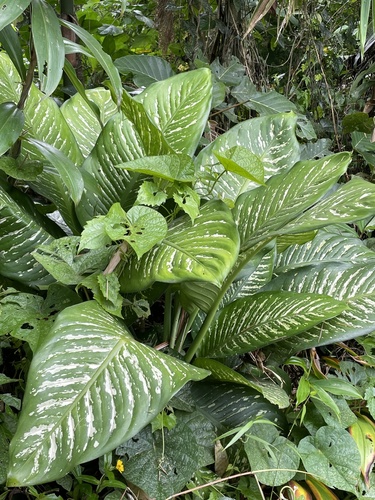
Dieffenbachia amoena
Dieffenbachia amoena is a popular tropical foliage plant known for its large, variegated leaves. It contains insoluble calcium oxalate crystals that can cause irritation if ingested or chewed.
Safety status
Cats
Potentially toxicConsulted references classify the plant as toxic or irritating for that pet type.
Verified against ASPCA/provenance audit 2026-05-06 on May 6, 2026.
Cats that chew Charming Dieffenbachia get an instant, painful surprise: the leaves are packed with insoluble calcium oxalate crystals (Pet Poison Helpline) that pierce the tongue and gums on contact. The burn is usually so immediate that most cats stop after one bite, which is why serious cases are uncommon — but the drooling, pawing, and panic that follow can be alarming.
Pet Poison Helpline and ASPCA list, most-common first: intense oral pain right after chewing, profuse drooling, pawing at the face, and head-shaking. Then vomiting, swallowing trouble, and reluctance to eat or drink. Less commonly, swelling of the lips, tongue, or upper airway can make breathing noisy or difficult — that is the rare emergency.
Per Pet Poison Helpline, oral pain begins almost immediately on chewing — occasionally up to about two hours later. Painful effects usually dissipate within 12 to 24 hours of ingestion, and most pets recover without lasting harm.
Per Pet Poison Helpline, most exposures can be managed at home, but call your vet if drooling and pain don't ease within an hour or two, if your cat refuses food and water for more than a few hours, if vomiting is persistent, or if you see any swelling of the face/tongue, change in voice, or noisy or labored breathing — that last group is an emergency, go in immediately. ASPCA APCC: 888-426-4435; Pet Poison Helpline: 855-764-7661.
Per Pet Poison Helpline, remove any remaining plant material from your cat's mouth, then offer something tasty to flush the crystals — milk, canned tuna in water, or chicken broth. Milk is especially effective because oxalate crystals bind to its calcium, which reduces pain and irritation. Do not induce vomiting unless your vet directs you to.
Sources: Pet Poison Helpline, ASPCA.
If a pet has chewed or swallowed plant material and is showing symptoms, contact a veterinarian or poison resource immediately. This product is for structured reference, not diagnosis.
Cats — concern notes
Common signs
Oral irritation, intense burning and irritation of mouth, tongue and lips, excessive drooling, vomiting, and difficulty swallowing.
Escalation note
The insoluble calcium oxalate crystals cause immediate mechanical irritation. If your cat has ingested this plant, please contact your veterinarian or a pet poison control center immediately.
Safer alternatives
No hand-picked alternatives for this plant yet. You can still pick your own using the Compare button on any other plant.
Yes, Charming Dieffenbachia (Dieffenbachia amoena) is toxic to cats. It contains insoluble calcium oxalate crystals that cause immediate oral irritation, intense burning of the mouth, tongue, and lips, excessive drooling, vomiting, and difficulty swallowing.
The most common signs, appearing almost immediately after chewing, are intense oral pain, profuse drooling, pawing at the face, and head-shaking. Vomiting, trouble swallowing, and reluctance to eat or drink can follow. Rarely, swelling of the lips, tongue, or upper airway can make breathing noisy or labored — that is an emergency requiring immediate veterinary care.
Remove any remaining plant material from your cat's mouth, then offer something tasty to flush the crystals — milk, canned tuna water, or chicken broth; milk is especially effective because oxalate crystals bind to its calcium, reducing pain. Do not induce vomiting unless directed by your vet. Call ASPCA Animal Poison Control at (888) 426-4435 or Pet Poison Helpline at (855) 764-7661 if symptoms persist.
Oral pain begins almost immediately on chewing — occasionally up to about two hours later — and painful effects typically dissipate within 12 to 24 hours of ingestion. Most cats recover without lasting harm, but call your vet if drooling and pain don't ease within an hour or two, vomiting is persistent, or your cat refuses food and water for more than a few hours.
Same cat verdict
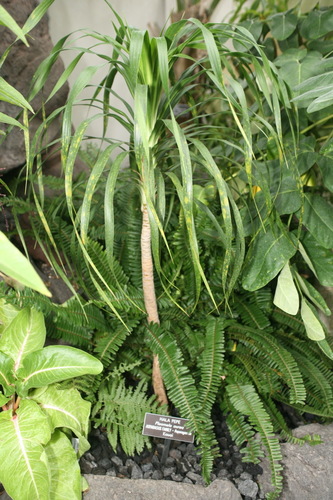
Dracaena is a popular genus of ornamental foliage plants known for their architectural, palm-like appearance. They contain saponins which can cause gastrointestinal and neurological distress if ingested by pets.
Potentially toxic for cats & dogs.
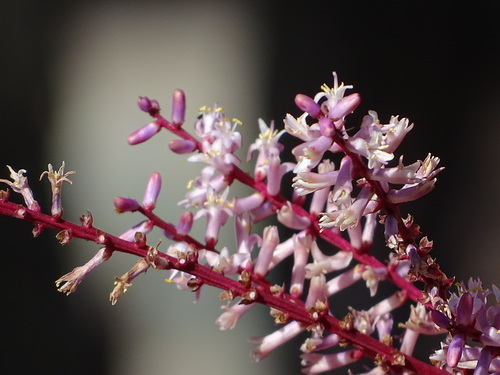
The Baby Doll Ti Plant is a popular tropical ornamental known for its vibrant, colorful foliage. It contains saponins which can cause gastrointestinal distress if ingested by pets.
Potentially toxic for cats & dogs.
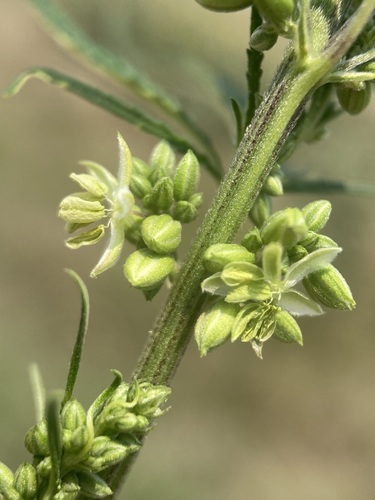
Cannabis sativa is a flowering plant species known for its psychoactive compounds, which can cause significant physiological distress if ingested by pets. It is widely recognized as a toxic substance for both cats and dogs.
Potentially toxic for cats & dogs.
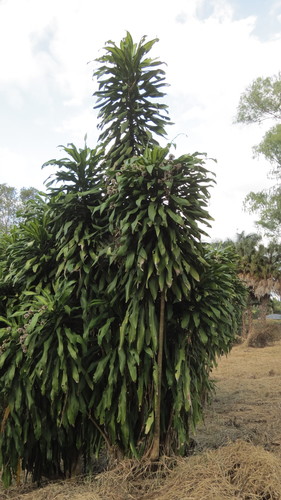
Striped Dracaena is a popular indoor foliage plant known for its long, lance-shaped leaves with distinct variegation. It contains saponins, which can cause adverse reactions if ingested by pets.
Potentially toxic for cats & dogs.