Dogs
Generally safeConsulted references do not classify the plant as toxic for that pet type, while still allowing for mild GI upset if large amounts are chewed.
Verified against ASPCA/provenance audit 2026-05-06 on May 6, 2026.
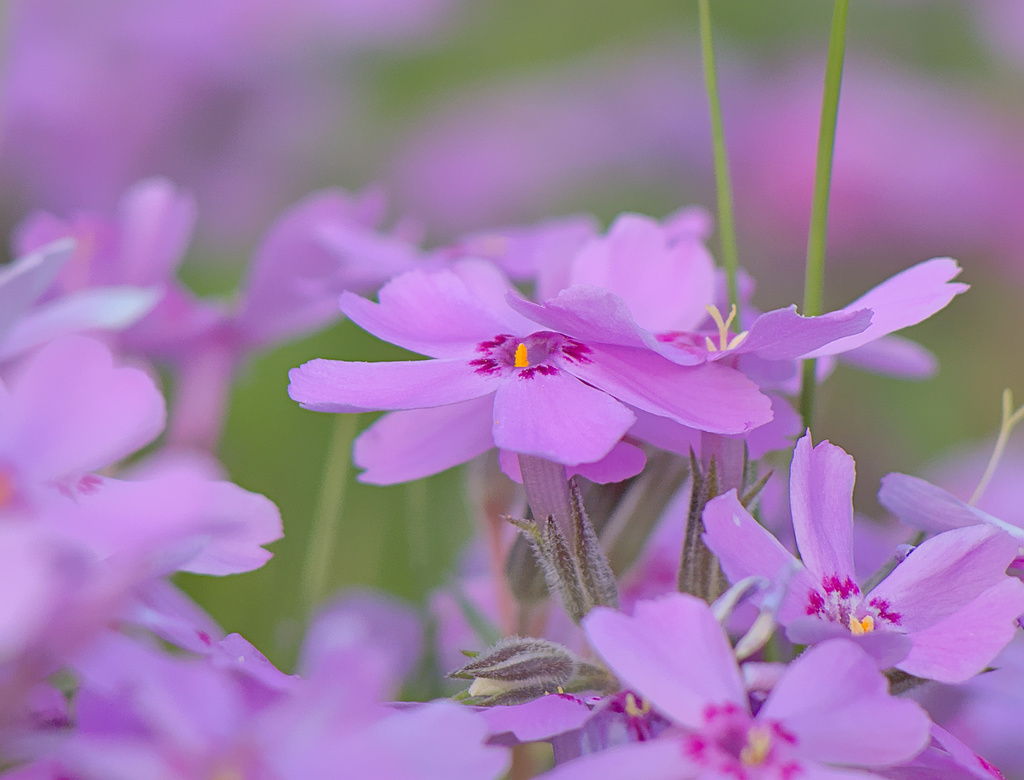
Phlox subulata
Moss Phlox is a low-growing, mat-forming perennial known for its vibrant spring blooms and needle-like foliage. It is widely considered safe for households with pets, though ingestion of large amounts of plant material may cause minor digestive discomfort.
Safety status
Dogs
Generally safeConsulted references do not classify the plant as toxic for that pet type, while still allowing for mild GI upset if large amounts are chewed.
Verified against ASPCA/provenance audit 2026-05-06 on May 6, 2026.
If a pet has chewed or swallowed plant material and is showing symptoms, contact a veterinarian or poison resource immediately. This product is for structured reference, not diagnosis.
Dogs — concern notes
Common signs
Generally none; however, ingestion of large quantities of fibrous plant material may cause mild vomiting or diarrhea.
Escalation note
This plant is considered non-toxic. If your dog consumes a significant amount and shows persistent signs of distress, contact your veterinarian.
Safer alternatives
No hand-picked alternatives for this plant yet. You can still pick your own using the Compare button on any other plant.
ASPCA Toxic and Non-Toxic Plant List
toxicology · 99% reliability
Moss Phlox is listed as non-toxic to cats and dogs.
NC State Extension Plant Toolbox: Phlox subulata
botanical · 94% reliability
A low-growing, mat-forming perennial that is widely used as a groundcover.
Moss Phlox (Phlox subulata) is considered non-toxic to dogs. It is classified as generally safe, meaning it does not contain toxic principles that pose a poisoning risk.
Most dogs will experience no symptoms at all. If a dog ingests a large amount of the fibrous plant material, it may cause mild vomiting or diarrhea that typically resolves on its own.
Small nibbles are unlikely to cause any reaction. Problems, if they occur, are associated with ingesting significant quantities of plant material — the concern is GI upset from bulk fiber, not toxicity.
For small ingestions, monitoring at home is reasonable since the plant is non-toxic. If your dog consumes a large amount and shows persistent vomiting, diarrhea, or signs of distress, contact your veterinarian.
Same growing conditions
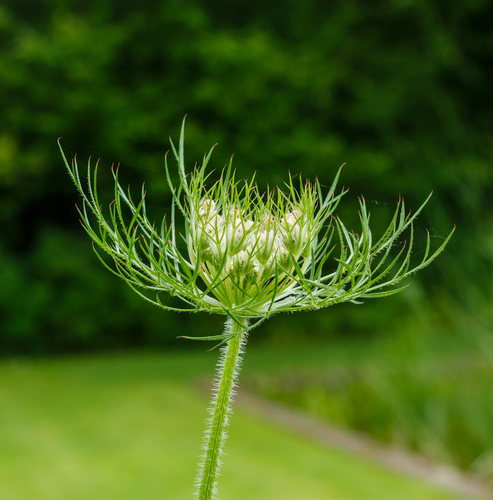
The carrot is a popular root vegetable often grown in home gardens, known for its edible taproot and feathery foliage. It is considered safe for pets, though large ingestions of fibrous plant material may occasionally cause minor digestive upset.
Generally safe for cats & dogs.
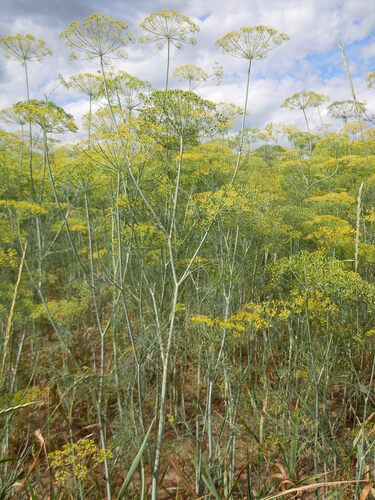
Dill is a popular culinary herb known for its feathery, aromatic foliage and is generally considered safe for household pets. While non-toxic, consuming large amounts of the fibrous plant material may occasionally cause mild digestive upset in some animals.
Generally safe for cats & dogs.
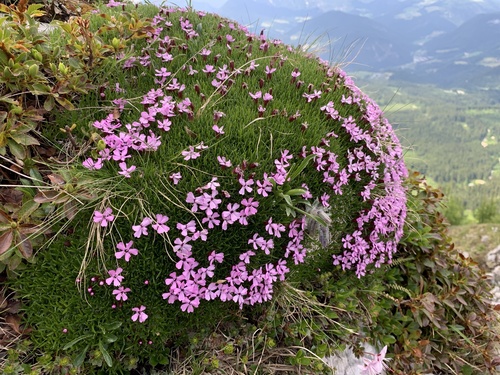
Moss Campion is a low-growing, cushion-forming perennial wildflower native to alpine regions. It is considered non-toxic to pets, though ingestion of large amounts of plant material may cause minor digestive upset.
Uncertain for cats & dogs.
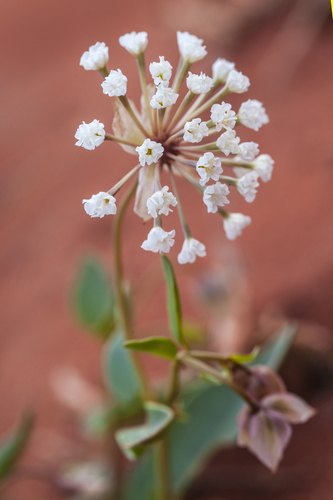
Sand Verbena is a fragrant, drought-tolerant perennial native to the central and western United States, often found in sandy soils. It is considered non-toxic to pets, though large ingestions of any fibrous plant material may cause minor digestive upset.
Uncertain for cats & dogs.