Cats & Dogs
Generally safeConsulted references do not classify the plant as toxic for that pet type, while still allowing for mild GI upset if large amounts are chewed.
Verified against ASPCA/provenance audit 2026-05-06 on May 6, 2026.
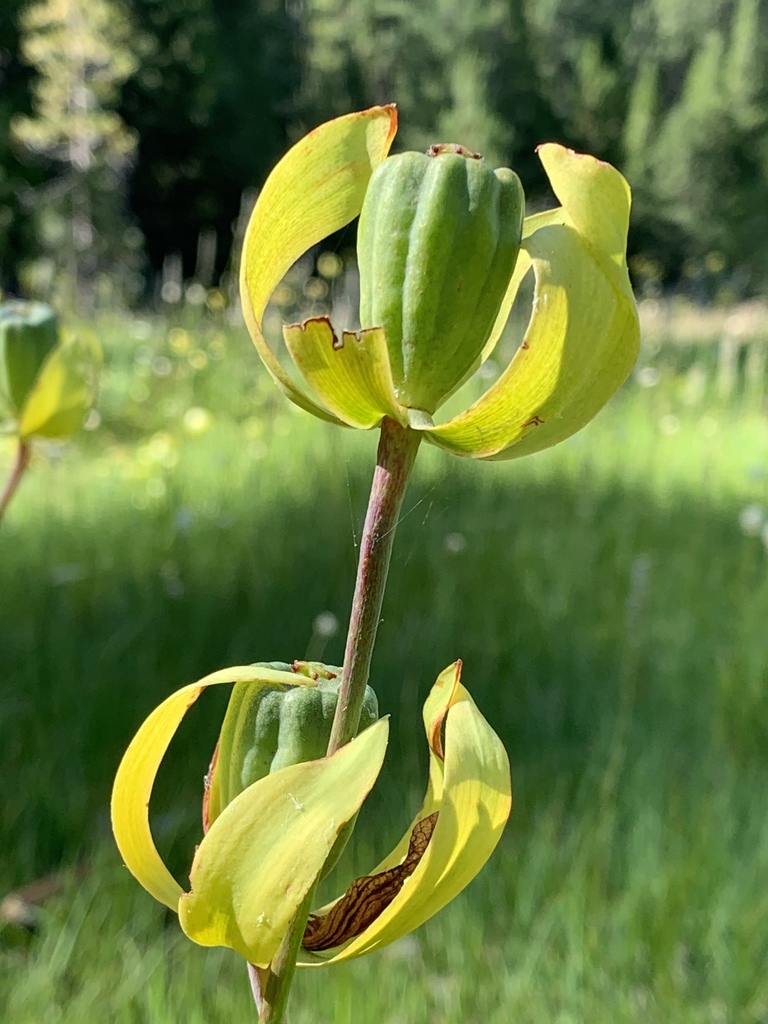
Darlingtonia californica
The California Pitcher Plant is a unique carnivorous species native to boggy areas of Northern California and Oregon. It is considered non-toxic to household pets, though its fibrous structure may cause minor digestive discomfort if consumed in large quantities.
Safety status
Cats & Dogs
Generally safeConsulted references do not classify the plant as toxic for that pet type, while still allowing for mild GI upset if large amounts are chewed.
Verified against ASPCA/provenance audit 2026-05-06 on May 6, 2026.
If a pet has chewed or swallowed plant material and is showing symptoms, contact a veterinarian or poison resource immediately. This product is for structured reference, not diagnosis.
Cats — concern notes
Common signs
None expected, though ingestion of large amounts of fibrous plant material may cause mild vomiting or gastrointestinal upset.
Escalation note
Generally considered safe. If your cat consumes a significant portion of the plant and shows signs of distress, contact your veterinarian.
Dogs — concern notes
Common signs
None expected, though ingestion of large amounts of fibrous plant material may cause mild vomiting or gastrointestinal upset.
Escalation note
Generally considered safe. If your dog consumes a significant portion of the plant and shows signs of distress, contact your veterinarian.
Bring it home
California Pitcher Plantis generally pet-safe in ordinary household exposure. If you’d like one for your space, here’s a starting point.
Shop on AmazonSome links earn us a small commission. They never affect our safety classifications.
ASPCA Toxic and Non-Toxic Plants List
toxicology · 99% reliability
California Pitcher Plant is listed as non-toxic to cats and dogs.
NC State Extension Plant Toolbox: Darlingtonia californica
botanical · 94% reliability
A carnivorous plant that requires specific bog-like conditions and cool root temperatures.
No, the California Pitcher Plant (Darlingtonia californica) is considered non-toxic to cats. It is classified as generally safe, meaning accidental nibbling is unlikely to cause harm.
Large amounts of the plant's fibrous material may cause mild vomiting or gastrointestinal upset, but serious symptoms are not expected. Non-toxic does not mean harmless in quantity, so monitor your cat if it eats a significant portion.
A small nibble does not warrant an emergency call, but if your cat consumed a large amount and shows signs of distress such as persistent vomiting or lethargy, contact your veterinarian.
Yes, it is considered a pet-safe plant, but its carnivorous trapping structure may attract a curious cat. Keeping it out of easy reach is a reasonable precaution to prevent repeated ingestion of fibrous material that could cause mild stomach upset.
No, the California Pitcher Plant (Darlingtonia californica) is considered non-toxic to dogs. It is generally safe around household pets, though non-toxic does not mean harmless in large quantities.
Ingesting small amounts is unlikely to cause any harm. If your dog eats a significant portion of the plant, the fibrous material may cause mild vomiting or gastrointestinal upset — the same kind of GI irritation that can follow eating any large amount of plant matter.
Monitor your dog for signs of digestive upset such as vomiting or lethargy. A small nibble is unlikely to need any action, but if your dog consumed a large amount and is showing distress, contact your veterinarian.
The California Pitcher Plant's tough, fibrous leaves are not poisonous, but consuming a large quantity of any fibrous plant material can irritate a dog's digestive tract and trigger mild vomiting or upset stomach. No toxic compounds have been identified in this species.
Same safety verdict

Calathea are popular tropical houseplants known for their striking, patterned foliage and rhythmic leaf movement. They are considered safe for households with pets, though ingestion of large amounts of fibrous plant material may cause minor digestive discomfort.
Generally safe for cats & dogs.
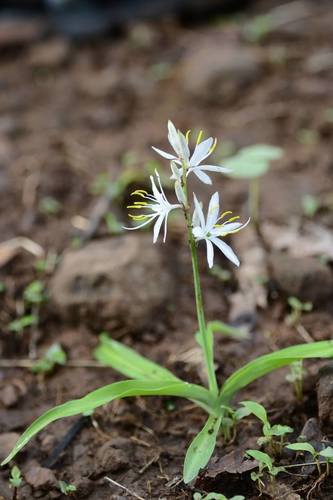
Bichetii Grass is a popular, low-maintenance houseplant known for its arching, variegated foliage that resembles a miniature spider plant. It is widely considered safe for households with pets, though large ingestions of fibrous plant material may cause minor digestive discomfort.
Generally safe for cats & dogs.
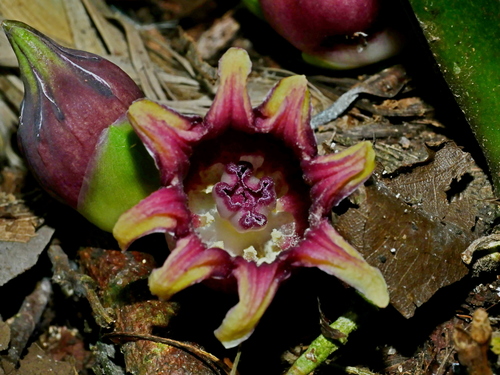
The Cast Iron Plant is a hardy, shade-tolerant houseplant known for its deep green, leathery foliage and ability to thrive in low-light conditions. It is widely considered a pet-safe choice for households with cats and dogs.
Generally safe for cats & dogs.
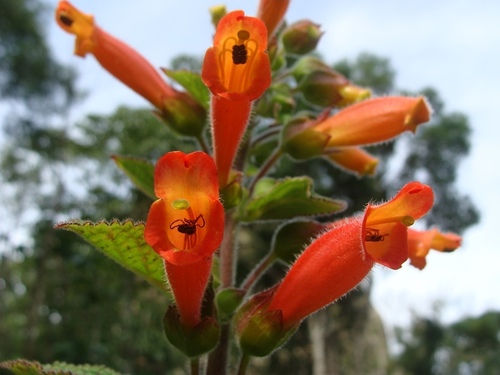
Gloxinia is a popular flowering houseplant known for its large, velvety leaves and vibrant, bell-shaped blooms. It is considered non-toxic to pets, though ingestion of plant material can occasionally cause minor digestive irritation.
Generally safe for cats & dogs.
Same growing conditions
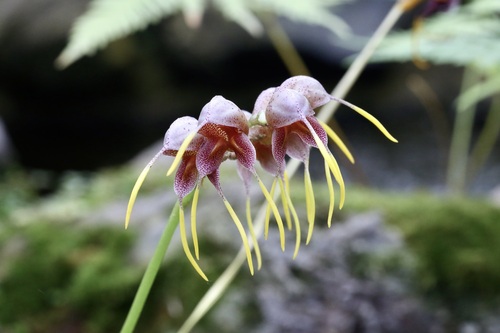
Masdevallia is a diverse genus of orchids known for their unique, often tubular flowers with long, tail-like sepals. They are generally considered safe for households with pets, though their fibrous nature may cause minor digestive discomfort if consumed in large quantities.
Generally safe for cats & dogs.
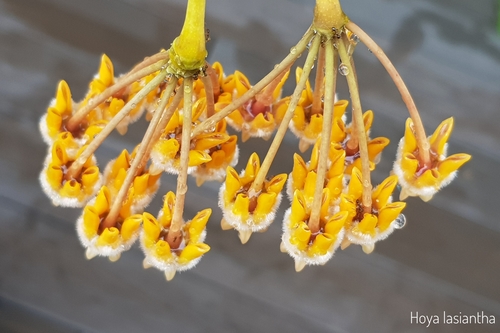
Hoya is a popular, low-maintenance trailing houseplant known for its waxy, succulent-like leaves and fragrant clusters of star-shaped flowers. It is considered safe for households with pets, though ingestion of large amounts of plant material may cause minor digestive discomfort.
Not yet rated for cats.
Not yet rated for dogs.
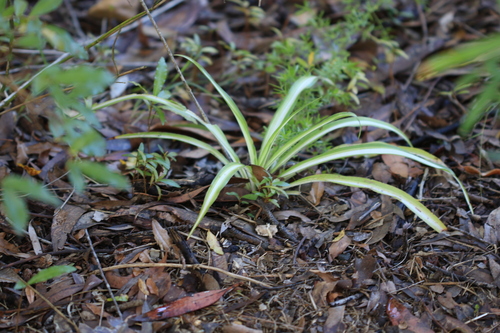
The spider plant is a popular, easy-to-care-for houseplant known for its arching, grass-like foliage and trailing plantlets. It is widely considered safe for households with pets, though large ingestions of fibrous material may occasionally cause mild digestive upset.
Generally safe for cats & dogs.
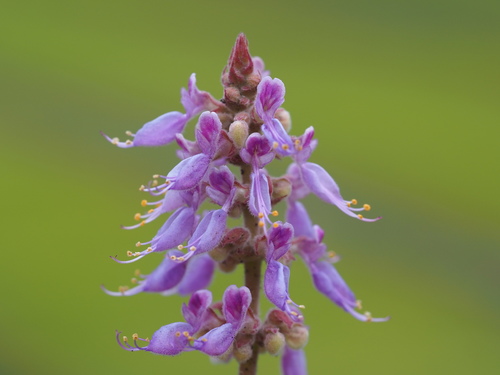
The Bread and Butter plant is a succulent herb known for its aromatic, fleshy leaves often used in culinary applications. While popular as a kitchen herb, it contains essential oils that can cause gastrointestinal distress if ingested by pets.
Potentially toxic for cats & dogs.