Cats & Dogs
Generally safeConsulted references do not classify the plant as toxic for that pet type, while still allowing for mild GI upset if large amounts are chewed.
Verified against ASPCA/provenance audit 2026-05-06 on May 6, 2026.
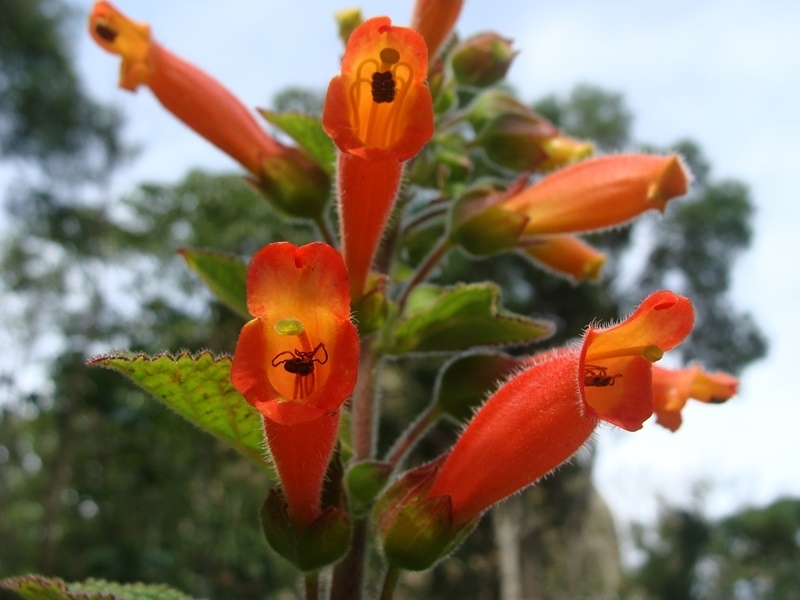
Sinningia speciosa
Gloxinia is a popular flowering houseplant known for its large, velvety leaves and vibrant, bell-shaped blooms. It is considered non-toxic to pets, though ingestion of plant material can occasionally cause minor digestive irritation.
Safety status
Cats & Dogs
Generally safeConsulted references do not classify the plant as toxic for that pet type, while still allowing for mild GI upset if large amounts are chewed.
Verified against ASPCA/provenance audit 2026-05-06 on May 6, 2026.
If a pet has chewed or swallowed plant material and is showing symptoms, contact a veterinarian or poison resource immediately. This product is for structured reference, not diagnosis.
Cats — concern notes
Common signs
None expected, though large ingestions of fibrous plant matter may cause mild vomiting or diarrhea.
Escalation note
Generally considered safe. If your cat consumes a significant amount and shows signs of distress, contact your veterinarian for guidance.
Dogs — concern notes
Common signs
None expected, though large ingestions of fibrous plant matter may cause mild vomiting or diarrhea.
Escalation note
Generally considered safe. If your dog consumes a significant amount and shows signs of distress, contact your veterinarian for guidance.
Bring it home
Gloxiniais generally pet-safe in ordinary household exposure. If you’d like one for your space, here’s a starting point.
Shop on AmazonSome links earn us a small commission. They never affect our safety classifications.
ASPCA Toxic and Non-Toxic Plants List
toxicology · 99% reliability
Gloxinia is listed as non-toxic to both cats and dogs.
NC State Extension Plant Toolbox: Sinningia speciosa
botanical · 94% reliability
Provides botanical description and horticultural requirements for Sinningia speciosa.
Gloxinia (Sinningia speciosa) is considered non-toxic to cats. It is classified as generally safe, meaning it is not expected to cause poisoning or serious harm if your cat nibbles on it.
Most cats experience no symptoms at all. However, consuming a large amount of the fibrous plant material may cause mild vomiting or diarrhea due to simple digestive irritation, not toxicity.
A small nibble is unlikely to cause any problem. If your cat ate a significant portion and shows signs of ongoing vomiting, diarrhea, or distress, contact your veterinarian for guidance — but this is a precaution, not an emergency.
Non-toxic means the plant is not poisonous, but it does not mean it is good for cats to eat in quantity. Large ingestions of any fibrous plant material can cause gastrointestinal upset, so it is still best to keep gloxinia out of reach.
Gloxinia (Sinningia speciosa) is considered non-toxic to dogs. It is classified as generally safe, meaning it is not expected to cause poisoning or serious harm if your dog chews on or eats part of the plant.
Most dogs will have no reaction at all. If your dog consumes a large amount of the fibrous leaves or stems, mild vomiting or diarrhea is possible due to the bulk of plant matter, but serious symptoms are not expected.
No emergency action is needed for a small nibble — gloxinia is non-toxic to dogs. Monitor your dog for any signs of GI upset such as vomiting or loose stools, and contact your veterinarian if symptoms persist or your dog ate a very large quantity.
Non-toxic does not mean the plant is beneficial or safe to eat in large amounts. While no part of the gloxinia is considered poisonous, consuming significant quantities of any fibrous plant material can cause mild digestive irritation in dogs.
Same safety verdict

The Lady Palm is a popular, slow-growing indoor palm known for its fan-shaped fronds and adaptability to low-light environments. It is considered non-toxic to pets, though ingestion of any plant material can occasionally cause minor digestive discomfort.
Generally safe for cats & dogs.

Calathea are popular tropical houseplants known for their striking, patterned foliage and rhythmic leaf movement. They are considered safe for households with pets, though ingestion of large amounts of fibrous plant material may cause minor digestive discomfort.
Generally safe for cats & dogs.
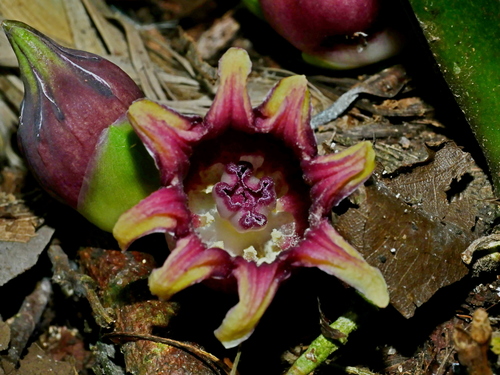
The Cast Iron Plant is a hardy, shade-tolerant houseplant known for its deep green, leathery foliage and ability to thrive in low-light conditions. It is widely considered a pet-safe choice for households with cats and dogs.
Generally safe for cats & dogs.
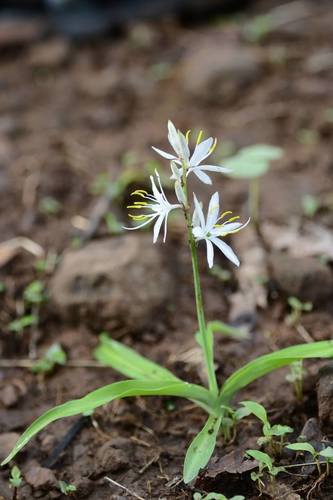
Bichetii Grass is a popular, low-maintenance houseplant known for its arching, variegated foliage that resembles a miniature spider plant. It is widely considered safe for households with pets, though large ingestions of fibrous plant material may cause minor digestive discomfort.
Generally safe for cats & dogs.
Same growing conditions
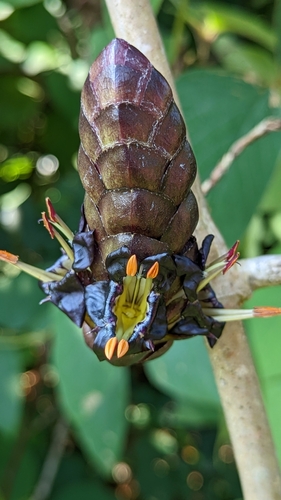
The Purple Waffle Plant is a popular, low-growing tropical houseplant known for its puckered, metallic-purple foliage. It is considered non-toxic to pets, though ingestion of large amounts of plant material may cause minor digestive discomfort.
Generally safe for cats & dogs.
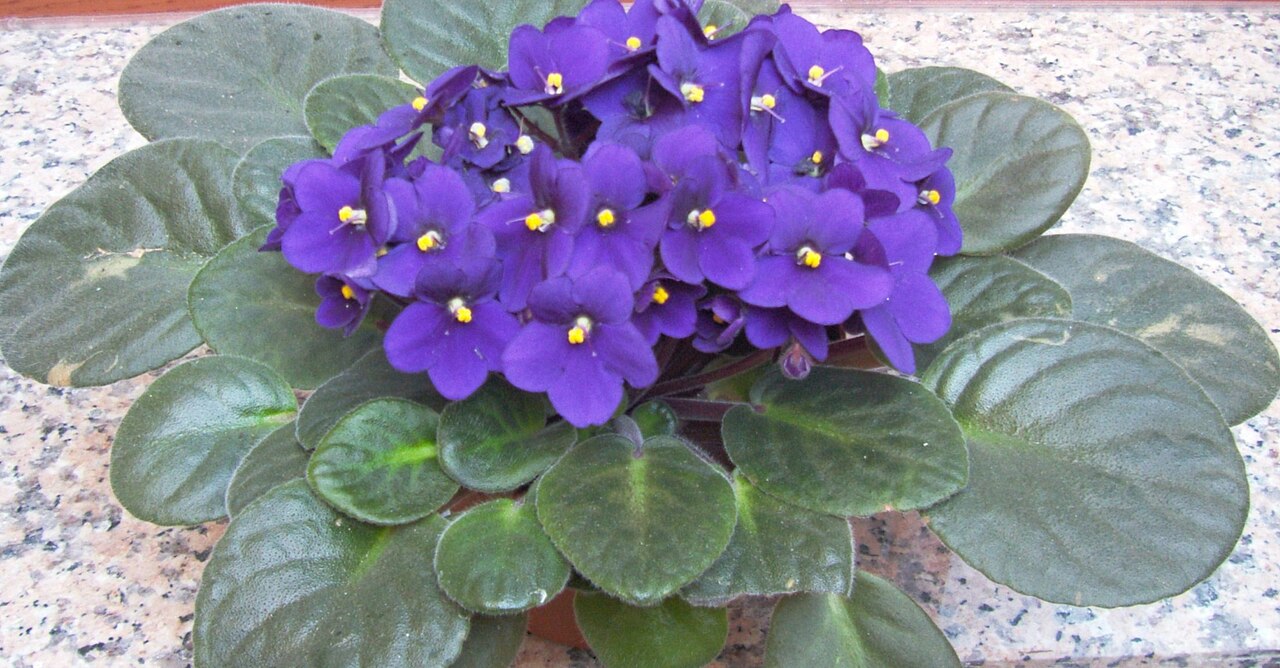
African Violets are popular, low-growing flowering houseplants known for their fuzzy leaves and vibrant blooms. They are considered non-toxic to both cats and dogs.
Generally safe for cats & dogs.
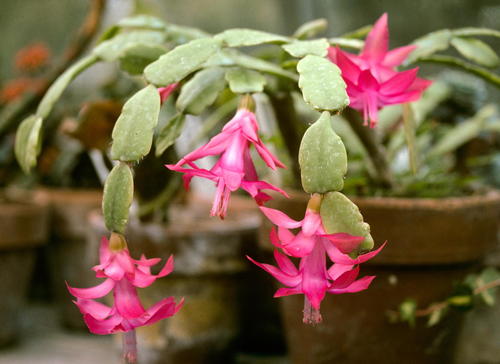
The Shrimp Cactus is a popular, trailing epiphytic cactus known for its unique, segmented stems and vibrant, pendulous flowers. It is considered safe for households with pets, though its fibrous nature may cause minor digestive discomfort if consumed in large quantities.
Generally safe for cats & dogs.
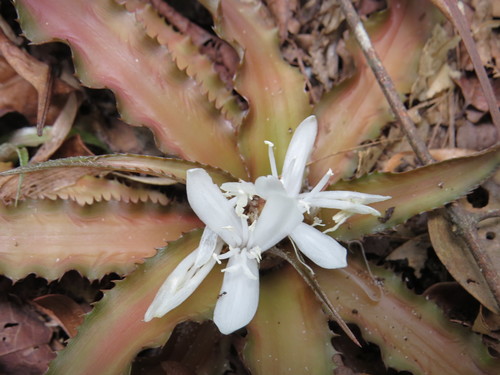
Silver Star is a low-growing, terrestrial bromeliad known for its striking, wavy-edged foliage that forms a star-like rosette. It is considered a safe, non-toxic houseplant for households with pets.
Generally safe for cats & dogs.