Dogs
Potentially toxicConsulted references classify the plant as toxic or irritating for that pet type.
Verified against ASPCA/provenance audit 2026-05-06 on May 6, 2026.
Crassula argentea
The Jade Plant is a popular succulent known for its thick, woody stems and fleshy, oval-shaped leaves. While aesthetically pleasing, it contains compounds that can cause gastrointestinal distress if ingested by pets.
Safety status
Dogs
Potentially toxicConsulted references classify the plant as toxic or irritating for that pet type.
Verified against ASPCA/provenance audit 2026-05-06 on May 6, 2026.
Dogs that nibble jade plant usually develop mild gastrointestinal upset rather than a life-threatening emergency. ASPCA classifies jade as toxic to dogs, with vomiting, depression, and incoordination as the hallmark signs. The toxic principle is officially listed as unknown, and Pet Poison Helpline notes the effects are usually mild and self-resolving.
Most common: vomiting and depression (lethargy). Less common but documented: incoordination or a stumbling gait, inappetence. Severity is typically mild; severe systemic effects are not characteristic of jade ingestion.
Exact onset and duration are not well documented; signs are typically mild and self-limiting in healthy dogs.
Call ASPCA Animal Poison Control at (888) 426-4435 or your veterinarian if vomiting persists more than a few hours, your dog is small or ate a large amount, or you see lethargy, refusal to eat, or wobbliness that doesn't resolve. Pet Poison Helpline notes veterinary care is generally not indicated unless signs are persistent.
Sources: ASPCA, Pet Poison Helpline (no home first-aid guidance).
If a pet has chewed or swallowed plant material and is showing symptoms, contact a veterinarian or poison resource immediately. This product is for structured reference, not diagnosis.
Dogs — concern notes
Common signs
Vomiting, lethargy, and loss of muscle coordination.
Escalation note
Symptoms are generally manageable but require professional assessment. Please consult a veterinarian to ensure your pet receives appropriate supportive care.
Safer alternatives
Some links earn us a small commission. They never affect our safety classifications.
Yes, jade plant (Crassula argentea) is considered toxic to dogs. Ingestion can cause vomiting, lethargy, and loss of muscle coordination, though symptoms are typically mild and self-limiting in healthy dogs.
The most common signs are vomiting and depression (lethargy). Less commonly, dogs may show incoordination or a stumbling gait and loss of appetite. Severe systemic effects are not characteristic of jade plant ingestion, and signs are generally mild.
Call ASPCA Animal Poison Control at (888) 426-4435 or your veterinarian, especially if vomiting persists more than a few hours, your dog is small or ate a large amount, or you notice lethargy, refusal to eat, or wobbliness that doesn't resolve on its own.
Exact onset and duration are not well documented, but signs are typically mild and self-limiting. Most healthy dogs recover without intensive intervention, though a veterinarian should assess any dog showing persistent or worsening symptoms.
Same dog verdict
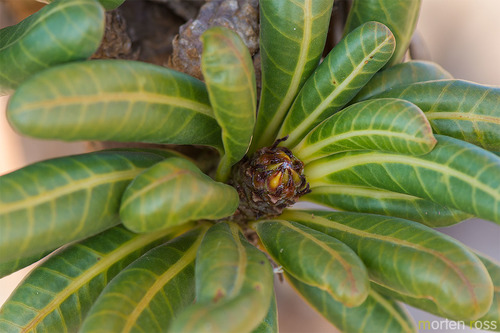
Adenium obesum is a succulent shrub known for its swollen base and vibrant, trumpet-shaped flowers. It contains cardiac glycosides that are harmful if ingested by pets.
Potentially toxic for cats & dogs.
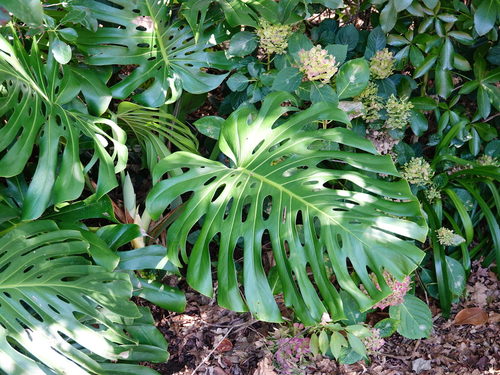
Monstera deliciosa is a popular tropical houseplant known for its large, fenestrated leaves and vining growth habit. It contains insoluble calcium oxalate crystals that can cause irritation if ingested by pets.
Potentially toxic for cats & dogs.
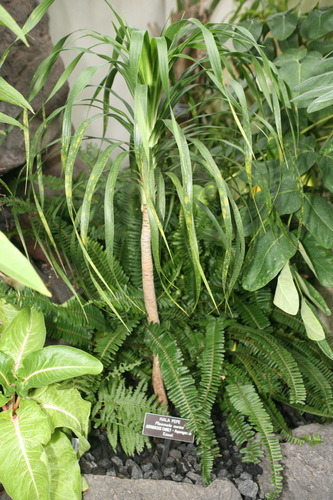
Dracaena trifasciata is a popular, hardy houseplant known for its stiff, sword-like leaves with striking yellow margins. It is widely appreciated for its air-purifying qualities and ability to thrive in various indoor conditions.
Potentially toxic for cats & dogs.
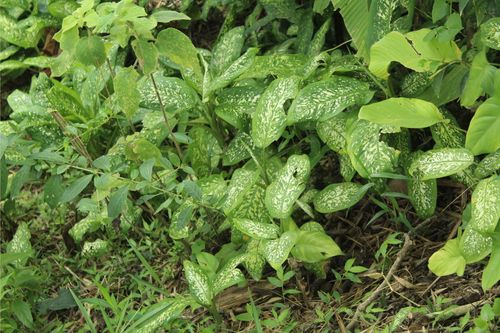
Dieffenbachia is a popular tropical houseplant known for its large, variegated leaves. It contains insoluble calcium oxalate crystals that can cause irritation if ingested or chewed.
Potentially toxic for cats & dogs.