Cats
Potentially toxicConsulted references classify the plant as toxic or irritating for that pet type.
Verified against ASPCA/provenance audit 2026-05-06 on May 6, 2026.
Sources
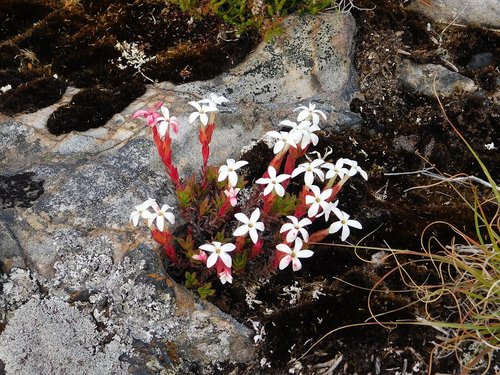
Crassula argentea
The Jade Plant is a popular succulent known for its thick, woody stems and fleshy, oval-shaped leaves. While aesthetically pleasing, it contains compounds that can cause gastrointestinal distress if ingested by pets.
Safety status
Cats
Potentially toxicConsulted references classify the plant as toxic or irritating for that pet type.
Verified against ASPCA/provenance audit 2026-05-06 on May 6, 2026.
Sources
Cats that nibble jade plant generally get an upset stomach and a few hours of feeling off — the toxic principle is unknown, but ASPCA and Pet Poison Helpline both classify the effects as mild and usually self-resolving. The signature signs are vomiting and a wobbly, uncoordinated gait. Severe illness from a houseplant nibble is uncommon.
Most common in cats: vomiting, lethargy or depression (a cat hiding or sleeping more than usual), and ataxia — a stumbling, drunken-looking walk. Loss of appetite is common for a meal or two. Slow heart rate has been reported but is not the typical presentation.
Onset typically within a few hours of ingestion. Signs are usually mild and self-resolving — most cats are back to normal within 24 hours with at-home rest and water access.
Per Pet Poison Helpline, veterinary care is generally not indicated after jade exposure unless signs persist. Call your vet if vomiting continues past a couple of episodes, if ataxia lasts more than a few hours, if your cat refuses food or water for more than 12 hours, or if you see slowed breathing or weakness. The ASPCA Animal Poison Control Center (888-426-4435) can triage by amount eaten.
Remove any plant pieces from your cat's mouth and clear the area. Offer fresh water and a quiet place to settle. Do not give any over-the-counter human medications, and do not try to induce vomiting at home — Pet Poison Helpline notes there's no safe consumer way to do this and that hydrogen peroxide should never be given without veterinary direction. Call your vet or Pet Poison Helpline (855-764-7661) before giving anything by mouth.
Sources: ASPCA, Pet Poison Helpline.
If a pet has chewed or swallowed plant material and is showing symptoms, contact a veterinarian or poison resource immediately. This product is for structured reference, not diagnosis.
Cats — concern notes
Common signs
Vomiting, depression, ataxia (incoordination), and occasional bradycardia (slow heart rate).
Escalation note
Ingestion typically results in mild to moderate clinical signs. Always contact your veterinarian if you suspect your cat has consumed any part of this plant.
Safer alternatives
Some links earn us a small commission. They never affect our safety classifications.
ASPCA Toxic Plant List
toxicology · 99% reliability
The Jade plant is listed as toxic to both cats and dogs, potentially causing vomiting and depression.
NC State Extension Plant Toolbox
botanical · 94% reliability
Crassula ovata is a succulent shrub that is widely grown as a houseplant, though it is known to be toxic to pets.
Onset typically occurs within a few hours of ingestion. Signs are usually mild and self-resolving — most cats return to normal within 24 hours with rest and water access. Call your vet if vomiting continues past a couple of episodes, ataxia lasts more than a few hours, or your cat refuses food or water for more than 12 hours.
Yes, jade plant (Crassula argentea) is toxic to cats. Ingestion typically causes mild to moderate symptoms including vomiting, depression, incoordination (ataxia), and occasionally a slowed heart rate. Keep jade plants out of reach of cats.
After eating jade plant, cats most commonly show vomiting, lethargy or depression (hiding, sleeping more than usual), and ataxia — a stumbling, drunken-looking walk. Loss of appetite for a meal or two is also common. Slow heart rate has been reported but is not the typical presentation.
Remove any plant pieces from your cat's mouth and move them to a quiet area with fresh water. Do not try to induce vomiting at home — hydrogen peroxide should never be given without veterinary direction. Call your vet or the ASPCA Animal Poison Control Center at (888) 426-4435, who can triage based on how much was eaten.
Same cat verdict
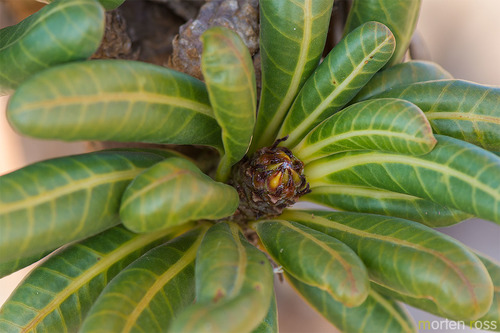
Adenium obesum is a succulent shrub known for its swollen base and vibrant, trumpet-shaped flowers. It contains cardiac glycosides that are harmful if ingested by pets.
Potentially toxic for cats & dogs.
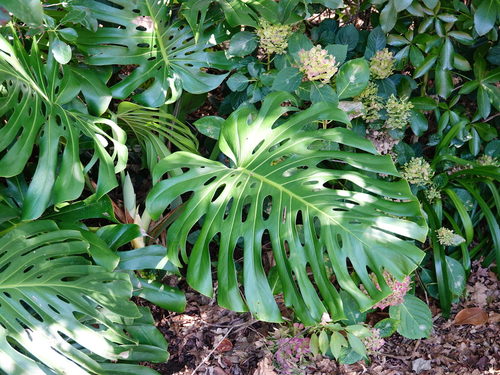
Monstera deliciosa is a popular tropical houseplant known for its large, fenestrated leaves and vining growth habit. It contains insoluble calcium oxalate crystals that can cause irritation if ingested by pets.
Potentially toxic for cats & dogs.
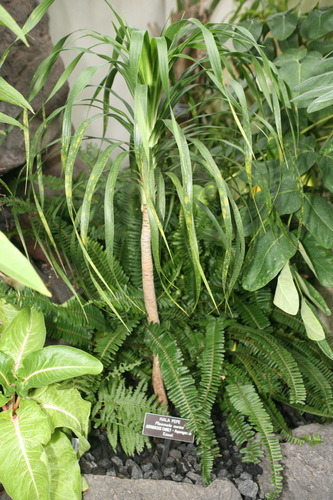
Dracaena trifasciata is a popular, hardy houseplant known for its stiff, sword-like leaves with striking yellow margins. It is widely appreciated for its air-purifying qualities and ability to thrive in various indoor conditions.
Potentially toxic for cats & dogs.
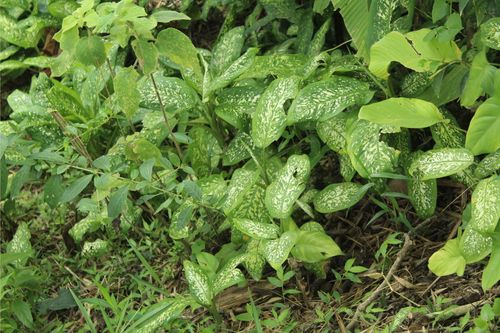
Dieffenbachia is a popular tropical houseplant known for its large, variegated leaves. It contains insoluble calcium oxalate crystals that can cause irritation if ingested or chewed.
Potentially toxic for cats & dogs.