Cats
Potentially toxicConsulted references classify the plant as toxic or irritating for that pet type.
Verified against ASPCA/provenance audit 2026-05-06 on May 6, 2026.
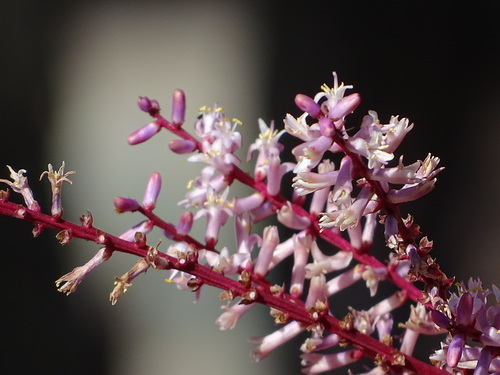
Cordyline terminalis
The Baby Doll Ti Plant is a popular tropical ornamental known for its vibrant, colorful foliage. It contains saponins which can cause gastrointestinal distress if ingested by pets.
Safety status
Cats
Potentially toxicConsulted references classify the plant as toxic or irritating for that pet type.
Verified against ASPCA/provenance audit 2026-05-06 on May 6, 2026.
Cats — the Ti plant is toxic, but typical cases are mild and confined to the gut. Saponins in the leaves and stems irritate the mouth and stomach lining, which is what produces the drooling and vomiting cats are most likely to show. Severe systemic illness is rare unless a large amount was eaten.
Drooling and vomiting (occasionally with flecks of blood from the irritated stomach lining) are the most common signs, usually with loss of appetite and lethargy. Less commonly: dilated pupils and an unsteady gait. Severe weakness or collapse is uncommon and points to a heavier ingestion.
Signs typically begin within an hour of chewing. With supportive care most cats start to improve within an hour of treatment and recover fully in about 24 hours; mild cases often resolve on their own over the same window.
Call your vet or ASPCA Animal Poison Control (888-426-4435) if vomiting is repeated, contains blood, or doesn't settle within a few hours, or if your cat becomes lethargic, refuses food, or shows dilated pupils or wobbling.
Remove any leaf fragments from the cat's mouth and offer fresh water. Do not induce vomiting at home — call your vet or ASPCA APCC for guidance before giving anything by mouth.
Sources: ASPCA, Pet Poison Helpline.
If a pet has chewed or swallowed plant material and is showing symptoms, contact a veterinarian or poison resource immediately. This product is for structured reference, not diagnosis.
Cats — concern notes
Common signs
Vomiting, diarrhea, excessive drooling, and loss of appetite.
Escalation note
Ingestion typically results in mild to moderate gastrointestinal upset. Please contact your veterinarian if your cat consumes any part of this plant.
Safer alternatives
No hand-picked alternatives for this plant yet. You can still pick your own using the Compare button on any other plant.
Yes, the Baby Doll Ti Plant (Cordyline terminalis) is toxic to cats. It contains saponins that cause gastrointestinal distress, and ingestion typically results in mild to moderate upset including vomiting, diarrhea, excessive drooling, and loss of appetite.
The most common signs are drooling and vomiting — occasionally with flecks of blood from stomach irritation — along with loss of appetite and lethargy. Less commonly you may see dilated pupils and an unsteady gait. Symptoms typically begin within an hour of chewing.
Remove any leaf fragments from your cat's mouth and offer fresh water. Do not induce vomiting at home — call your vet or the ASPCA Animal Poison Control Center at (888) 426-4435 before giving anything by mouth.
With supportive care most cats begin to improve within an hour of treatment and recover fully within about 24 hours; mild cases often resolve on their own over the same window. Call your vet if vomiting is repeated, contains blood, or doesn't settle within a few hours, or if your cat becomes lethargic or shows dilated pupils or wobbling.
Same cat verdict
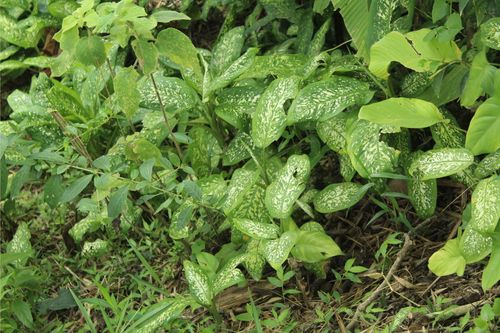
Dieffenbachia is a popular tropical houseplant known for its large, variegated leaves. It contains insoluble calcium oxalate crystals that can cause irritation if ingested or chewed.
Potentially toxic for cats & dogs.
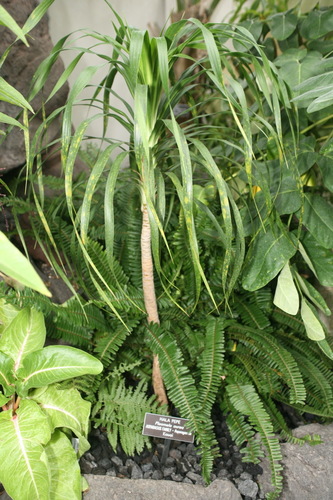
Dracaena is a popular genus of ornamental foliage plants known for their architectural, palm-like appearance. They contain saponins which can cause gastrointestinal and neurological distress if ingested by pets.
Potentially toxic for cats & dogs.
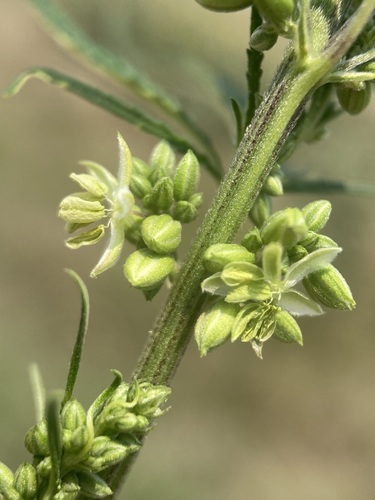
Cannabis sativa is a flowering plant species known for its psychoactive compounds, which can cause significant physiological distress if ingested by pets. It is widely recognized as a toxic substance for both cats and dogs.
Potentially toxic for cats & dogs.
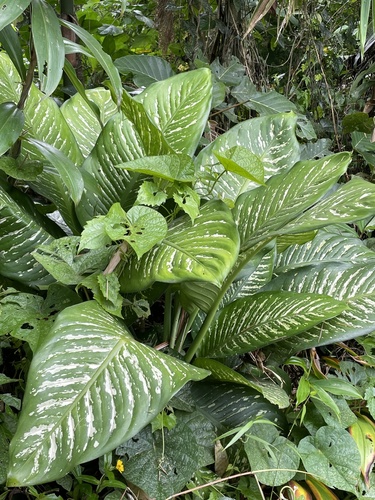
Dieffenbachia amoena is a popular tropical foliage plant known for its large, variegated leaves. It contains insoluble calcium oxalate crystals that can cause irritation if ingested or chewed.
Potentially toxic for cats & dogs.