Dogs
Potentially toxicConsulted references classify the plant as toxic or irritating for that pet type.
Verified against ASPCA/provenance audit 2026-05-06 on May 6, 2026.
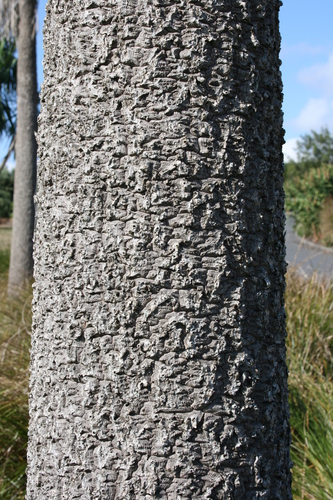
Cordyline australis
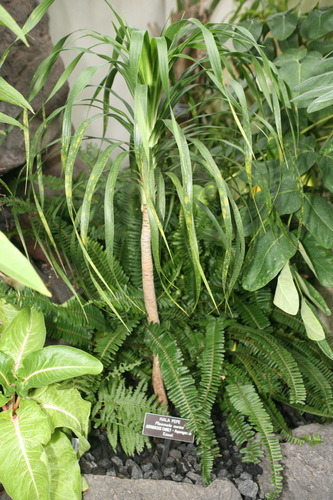
Cordyline australis is a popular ornamental plant known for its palm-like appearance and sword-shaped leaves. It contains saponins which can cause gastrointestinal distress if ingested by pets.
Safety status
Dogs
Potentially toxicConsulted references classify the plant as toxic or irritating for that pet type.
Verified against ASPCA/provenance audit 2026-05-06 on May 6, 2026.
Dogs: giant dracaena is toxic but rarely dangerous. ASPCA names saponins as the toxic principle, and Pet Poison Helpline reports that signs are typically mild and temporary in dogs — mostly digestive upset and incoordination. A dog who chews a leaf usually gets an unhappy stomach for a day rather than serious illness.
Vomiting (occasionally with blood), drooling, loss of appetite, and depression are the headline signs. Pet Poison Helpline also notes weakness and incoordination (ataxia) — a wobble in the back end or trouble holding a straight line. Symptoms are usually self-limiting.
Pet Poison Helpline describes Dracaena signs as generally mild and temporary; ASPCA does not give specific timing. GI signs in dogs typically appear within a few hours and resolve in 24–48 hours with supportive care.
Call your vet or ASPCA Animal Poison Control (888-426-4435) if vomiting is repeated, if you see blood, if your dog seems weak or wobbly, or if a small-breed dog or puppy has eaten more than a leaf or two. A single mild GI episode that self-resolves can usually be monitored at home.
Sources: ASPCA, Pet Poison Helpline (no specific first-aid guidance).
If a pet has chewed or swallowed plant material and is showing symptoms, contact a veterinarian or poison resource immediately. This product is for structured reference, not diagnosis.
Dogs — concern notes
Common signs
Vomiting, loss of appetite, lethargy, and excessive drooling.
Escalation note
While typically not life-threatening in small amounts, ingestion can cause severe gastrointestinal upset. Consult your veterinarian for guidance if ingestion occurs.
Safer alternatives
No hand-picked alternatives for this plant yet. You can still pick your own using the Compare button on any other plant.
Kew Plants of the World Online
botanical · 95% reliability
Accepted scientific name and botanical classification for Cordyline australis.
Yes, Giant Dracaena (Cordyline australis) is potentially toxic to dogs. It contains saponins that cause gastrointestinal distress, including vomiting, loss of appetite, lethargy, and excessive drooling. Ingestion is typically not life-threatening in small amounts, but can cause significant GI upset.
Signs include vomiting (occasionally with blood), excessive drooling, loss of appetite, and depression. Pet Poison Helpline also notes weakness and incoordination — a wobble in the back end or trouble walking a straight line. GI symptoms typically appear within a few hours and resolve within 24–48 hours with supportive care.
Monitor your dog closely for vomiting, drooling, lethargy, or wobbliness. A single mild GI episode that self-resolves can usually be watched at home. Call your vet or the ASPCA Animal Poison Control Center at (888) 426-4435 if vomiting is repeated, if you see blood, if your dog seems weak or wobbly, or if a small-breed dog or puppy has eaten more than a leaf or two.
Yes, size matters. Small-breed dogs and puppies face a higher risk from the same amount of plant material — even a leaf or two warrants a call to your vet or ASPCA Animal Poison Control (888) 426-4435 for a small dog. Larger dogs who eat a small amount are more likely to experience only mild, self-limiting GI upset, though repeated vomiting or any blood should prompt veterinary contact regardless of size.
Same dog verdict
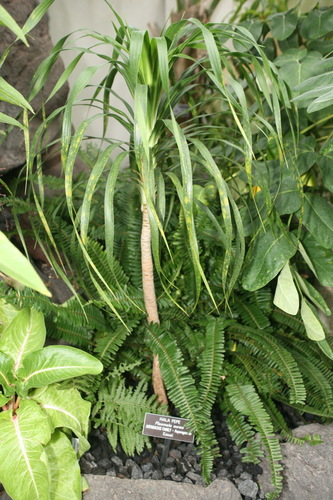
The Madagascar Dragon Tree is a popular, slow-growing indoor plant known for its slender, woody stems and spiky, colorful foliage. It contains saponins, which can cause gastrointestinal distress if ingested by pets.
Potentially toxic for cats & dogs.
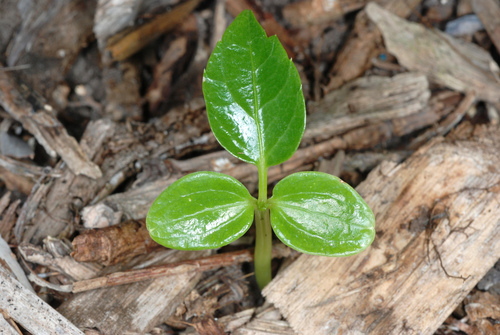
The Octopus Tree is a popular tropical houseplant known for its large, glossy, palm-like leaves arranged in a circular pattern. It contains insoluble calcium oxalate crystals that can cause irritation if ingested by pets.
Potentially toxic for cats & dogs.
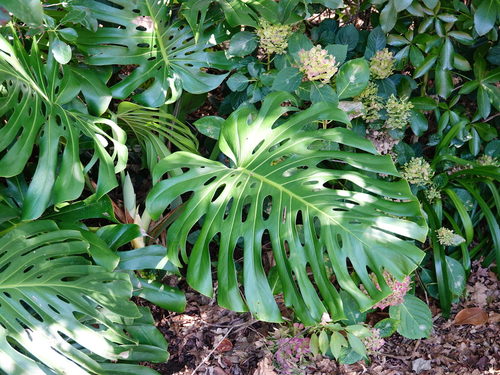
Monstera deliciosa is a popular tropical houseplant known for its large, fenestrated leaves and vining growth habit. It contains insoluble calcium oxalate crystals that can cause irritation if ingested by pets.
Potentially toxic for cats & dogs.
Dracaena trifasciata is a popular, hardy houseplant known for its stiff, sword-like leaves with striking yellow margins. It is widely appreciated for its air-purifying qualities and ability to thrive in various indoor conditions.
Potentially toxic for cats & dogs.