Cats
Potentially toxicConsulted references classify the plant as toxic or irritating for that pet type.
Verified against ASPCA/provenance audit 2026-05-06 on May 6, 2026.
Sources
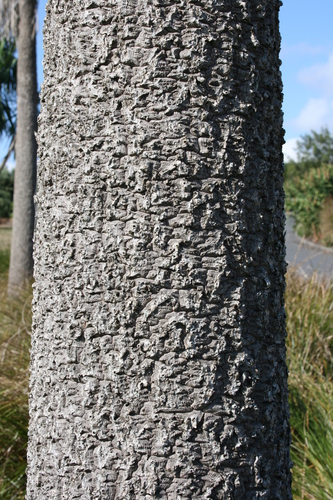
Cordyline australis
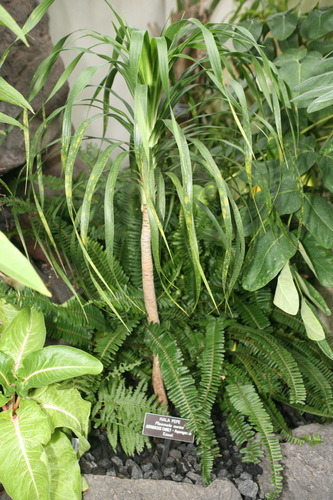
Cordyline australis is a popular ornamental plant known for its palm-like appearance and sword-shaped leaves. It contains saponins which can cause gastrointestinal distress if ingested by pets.
Safety status
Cats
Potentially toxicConsulted references classify the plant as toxic or irritating for that pet type.
Verified against ASPCA/provenance audit 2026-05-06 on May 6, 2026.
Sources
Cats: giant dracaena is toxic, with cats showing the most distinctive picture among species. ASPCA flags saponins as the toxic principle, and Pet Poison Helpline notes that while signs are usually mild and temporary, cats are uniquely prone to dilated pupils, an elevated heart rate, and incoordination after ingestion.
Vomiting (sometimes blood-tinged), drooling, loss of appetite, and depression are most common. The cat-specific clues are dilated pupils, a fast heart rate, abdominal pain, and unsteady walking (ataxia). Hypersalivation often shows up as wet chin or repeated swallowing.
Pet Poison Helpline characterizes signs as generally mild and temporary; specific onset times are not well documented for Cordyline. GI signs typically begin within a few hours of ingestion and resolve over 24–48 hours.
Call the same day for any confirmed ingestion in cats. Call urgently if you see blood in vomit, persistent vomiting, weakness, or wobbliness. ASPCA Animal Poison Control (888-426-4435) and Pet Poison Helpline (855-764-7661) can both advise on whether home monitoring or an ER visit is right.
Sources: ASPCA, Pet Poison Helpline (no specific first-aid guidance).
If a pet has chewed or swallowed plant material and is showing symptoms, contact a veterinarian or poison resource immediately. This product is for structured reference, not diagnosis.
Cats — concern notes
Common signs
Vomiting (occasionally with blood), depression, anorexia, hypersalivation, and dilated pupils.
Escalation note
Ingestion can lead to significant discomfort. Please contact your veterinarian or an animal poison control center immediately if you suspect your cat has consumed any part of this plant.
Safer alternatives
No hand-picked alternatives for this plant yet. You can still pick your own using the Compare button on any other plant.
ASPCA Toxic Plant List
toxicology · 99% reliability
Giant Dracaena is listed as toxic to both cats and dogs due to the presence of saponins.
Yes, Giant Dracaena is toxic to cats. The plant contains saponins that can cause vomiting (sometimes with blood), depression, loss of appetite, hypersalivation, and dilated pupils if ingested.
Watch for vomiting (occasionally blood-tinged), drooling, loss of appetite, depression, and dilated pupils. Cat-specific signs include a fast heart rate, abdominal pain, and unsteady walking (ataxia). GI signs typically begin within a few hours and may take 24–48 hours to fully resolve.
Call your vet the same day for any confirmed ingestion. Seek urgent care if you see blood in the vomit, persistent vomiting, weakness, or wobbliness. You can also call ASPCA Animal Poison Control at (888) 426-4435 or Pet Poison Helpline at (855) 764-7661 to get guidance on whether home monitoring or an ER visit is appropriate.
The toxic compound in Cordyline australis is saponins, which are present throughout the plant. No specific part has been identified as more dangerous than others, so any ingestion — leaves, stem, or otherwise — warrants monitoring and a same-day call to your vet.
Same cat verdict
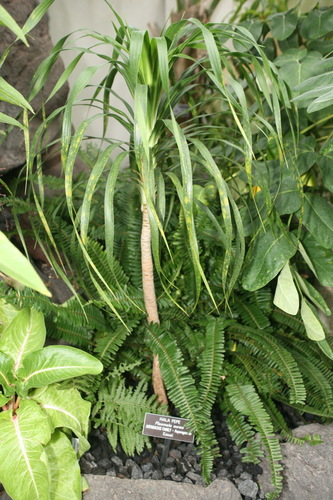
The Madagascar Dragon Tree is a popular, slow-growing indoor plant known for its slender, woody stems and spiky, colorful foliage. It contains saponins, which can cause gastrointestinal distress if ingested by pets.
Potentially toxic for cats & dogs.
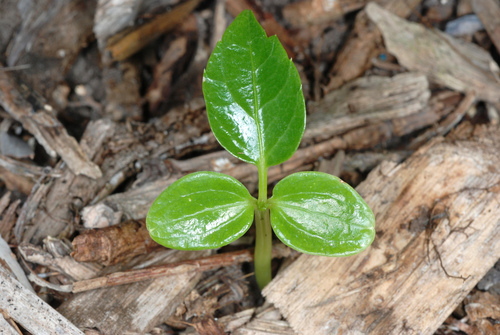
The Octopus Tree is a popular tropical houseplant known for its large, glossy, palm-like leaves arranged in a circular pattern. It contains insoluble calcium oxalate crystals that can cause irritation if ingested by pets.
Potentially toxic for cats & dogs.
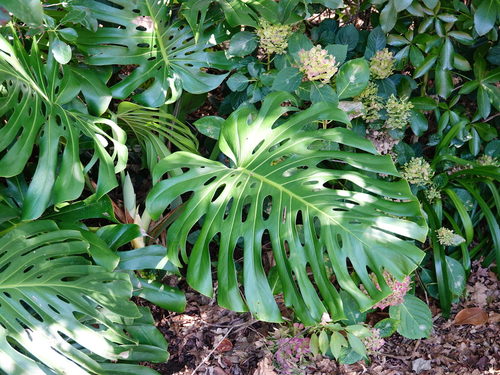
Monstera deliciosa is a popular tropical houseplant known for its large, fenestrated leaves and vining growth habit. It contains insoluble calcium oxalate crystals that can cause irritation if ingested by pets.
Potentially toxic for cats & dogs.
Dracaena trifasciata is a popular, hardy houseplant known for its stiff, sword-like leaves with striking yellow margins. It is widely appreciated for its air-purifying qualities and ability to thrive in various indoor conditions.
Potentially toxic for cats & dogs.