Cats
Potentially toxicConsulted references classify the plant as toxic or irritating for that pet type.
Verified against ASPCA/provenance audit 2026-05-06 on May 6, 2026.
Sources
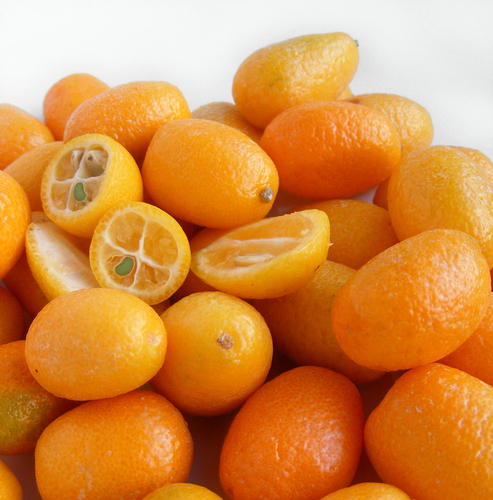
Citrus mitis
The Calamondin Orange is a small citrus tree often grown as an ornamental houseplant for its fragrant flowers and small, edible-looking fruit. It contains essential oils and psoralens that can cause irritation if ingested or touched by pets.
Safety status
Cats
Potentially toxicConsulted references classify the plant as toxic or irritating for that pet type.
Verified against ASPCA/provenance audit 2026-05-06 on May 6, 2026.
Sources
Cats are unusually sensitive to citrus oils — they lack key liver enzymes that other species use to break the oils down — so even a small nibble of leaf, peel, or unripe fruit can cause real GI upset. The plant is toxic but not usually life-threatening; a leaf or two reads as 'sick stomach,' not emergency.
Vomiting and diarrhea are the most common signs. Look for lethargy, a depressed mood, drooling, and loss of appetite. With heavier exposure, watch for skin redness or photosensitivity (irritation worse on sun-exposed skin like the belly or ear tips) — uncommon but a citrus-specific clue.
Signs typically appear within 6 to 8 hours of ingesting essential-oil-containing material. Mild plant-ingestion cases generally resolve in 24 to 48 hours with supportive care.
Call your vet, or ASPCA Poison Control at (888) 426-4435, if vomiting or diarrhea continues past a few hours, your cat is unusually lethargic or won't eat, or you see any skin redness. Concentrated citrus essential-oil exposure (oils, diffusers, peel concentrates) warrants an immediate call — cats handle these much worse than the fruit itself.
Remove any remaining plant material from the mouth and offer water or a small bland meal to dilute the oils orally. If oils touched the skin or coat, bathe with mild liquid dish detergent. Do not induce vomiting and do not give activated charcoal — both can worsen essential-oil exposure.
Sources: ASPCA, Pet Poison Helpline.
If a pet has chewed or swallowed plant material and is showing symptoms, contact a veterinarian or poison resource immediately. This product is for structured reference, not diagnosis.
Cats — concern notes
Common signs
Drooling, vomiting, diarrhea, and potential skin irritation upon contact.
Escalation note
Symptoms are generally mild but can cause significant gastrointestinal distress. Please contact your veterinarian if your cat has ingested any part of the plant.
Safer alternatives
No hand-picked alternatives for this plant yet. You can still pick your own using the Compare button on any other plant.
ASPCA Toxic Plant List
toxicology · 99% reliability
Calamondin orange is toxic to both cats and dogs due to essential oils and psoralens.
NC State Extension Plant Toolbox
botanical · 94% reliability
Citrus mitis is a small evergreen tree in the Rutaceae family, often used as a container plant.
Yes, Calamondin Orange (Citrus mitis) is potentially toxic to cats. The plant contains essential oils and psoralens that can cause drooling, vomiting, diarrhea, and skin irritation if ingested or touched.
The most common signs are vomiting and diarrhea, along with drooling and loss of appetite. With heavier exposure, watch for lethargy, depressed mood, and skin redness or photosensitivity — particularly on sun-exposed areas like the belly or ear tips, which is a citrus-specific clue. Signs typically appear within 6 to 8 hours of ingestion.
Remove any remaining plant material from your cat's mouth and offer water or a small bland meal to dilute the oils. If the oils contacted the skin or coat, bathe with mild liquid dish detergent. Do not induce vomiting and do not give activated charcoal — both can worsen essential-oil exposure. Call your vet or ASPCA Animal Poison Control at (888) 426-4435 if vomiting or diarrhea continues past a few hours, your cat is lethargic, or you see any skin redness.
The peel and concentrated essential oils are the most hazardous parts — cats handle citrus essential oils much worse than the fruit itself. Exposure through peel concentrates, citrus-based diffusers, or cleaning products warrants an immediate call to your vet or ASPCA Poison Control at (888) 426-4435, while nibbling a small amount of fruit or leaf typically causes only mild GI upset that resolves within 24 to 48 hours with supportive care.
Same cat verdict
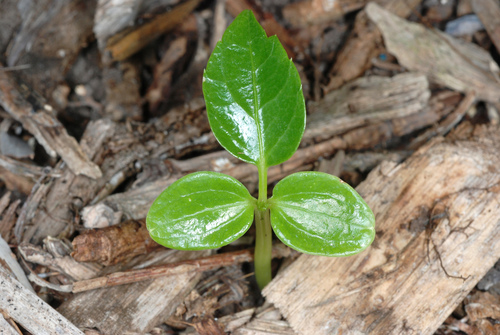
The Australian Ivy Palm is a popular indoor tree known for its large, umbrella-like leaves. It contains insoluble calcium oxalate crystals that can cause irritation upon ingestion.
Potentially toxic for cats & dogs.
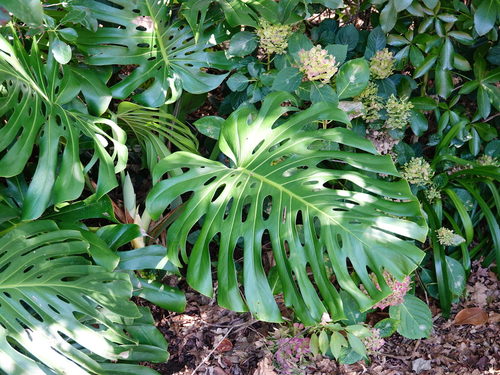
Monstera deliciosa is a popular tropical houseplant known for its large, fenestrated leaves and vining growth habit. It contains insoluble calcium oxalate crystals that can cause irritation if ingested by pets.
Potentially toxic for cats & dogs.
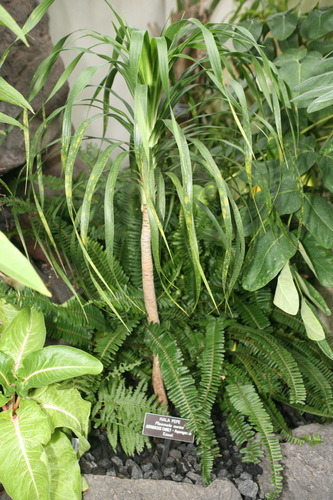
Dracaena trifasciata is a popular, hardy houseplant known for its stiff, sword-like leaves with striking yellow margins. It is widely appreciated for its air-purifying qualities and ability to thrive in various indoor conditions.
Potentially toxic for cats & dogs.
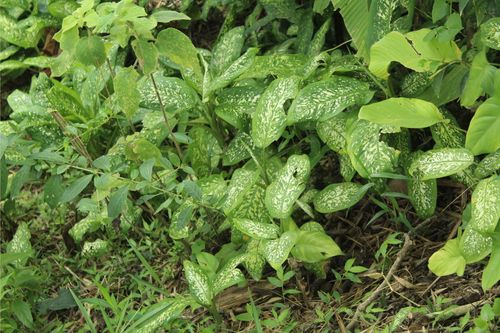
Dieffenbachia is a popular tropical houseplant known for its large, variegated leaves. It contains insoluble calcium oxalate crystals that can cause irritation if ingested or chewed.
Potentially toxic for cats & dogs.