Dogs
Potentially toxicConsulted references classify the plant as toxic or irritating for that pet type.
Verified against ASPCA/provenance audit 2026-05-06 on May 6, 2026.
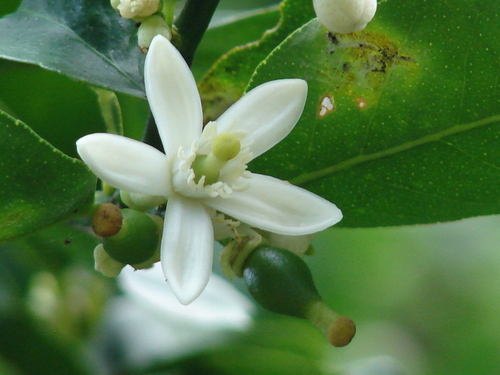
Citrus aurantifolia
The lime tree is a citrus species known for its aromatic foliage and fruit. While popular as a houseplant, all parts of the plant contain essential oils and psoralens that can be harmful to pets if ingested.
Safety status
Dogs
Potentially toxicConsulted references classify the plant as toxic or irritating for that pet type.
Verified against ASPCA/provenance audit 2026-05-06 on May 6, 2026.
Dogs should not eat lime peel, leaves, or seeds. The ASPCA flags Citrus aurantifolia as toxic to dogs because of essential oils and psoralens; a fallen fruit chewed in the yard or a swiped slice from the kitchen counter can cause stomach upset and skin irritation.
Vomiting, diarrhea, and lethargy/depression are the most common signs. Drooling and skin redness may follow contact with crushed peel or leaves. The flesh of the lime is far less concentrated in oils than the peel and leaves.
GI signs usually appear within a few hours of ingestion; the ASPCA listing does not give a specific recovery window for lime in dogs.
Call your vet if your dog is vomiting repeatedly, is unusually flat or wobbly, refuses food, or develops a spreading skin rash. Small ingestion of pulp alone often resolves with monitoring.
Sources: ASPCA (no first-aid guidance).
If a pet has chewed or swallowed plant material and is showing symptoms, contact a veterinarian or poison resource immediately. This product is for structured reference, not diagnosis.
Dogs — concern notes
Common signs
Vomiting, diarrhea, lethargy, and skin irritation upon contact.
Escalation note
The essential oils and compounds in the plant can cause systemic upset. Please consult your veterinarian if you suspect your dog has consumed or chewed on this plant.
Safer alternatives
No hand-picked alternatives for this plant yet. You can still pick your own using the Compare button on any other plant.
Yes, limes are potentially toxic to dogs. All parts of the lime tree — including the peel, leaves, and fruit — contain essential oils and psoralens that can cause vomiting, diarrhea, lethargy, and skin irritation. The flesh is less concentrated in these compounds than the peel and leaves, but the plant is still considered harmful.
The most common signs are vomiting, diarrhea, and lethargy or depression, typically appearing within a few hours of ingestion. Direct contact with crushed peel or leaves can also cause drooling and skin redness. The flesh of the lime carries a lower concentration of the irritating oils than the peel or leaves.
Call the ASPCA Animal Poison Control Center at (888) 426-4435 or your veterinarian right away. A small ingestion of lime pulp alone may resolve with monitoring, but repeated vomiting, unusual lethargy, wobbliness, refusal to eat, or a spreading skin rash are reasons to seek veterinary care promptly.
The peel and leaves are the most concentrated sources of the essential oils and psoralens responsible for toxicity, making them more dangerous than the fruit's flesh. Skin irritation is most likely after contact with crushed peel or leaves, while GI signs can follow ingestion of any part of the plant.
Same dog verdict
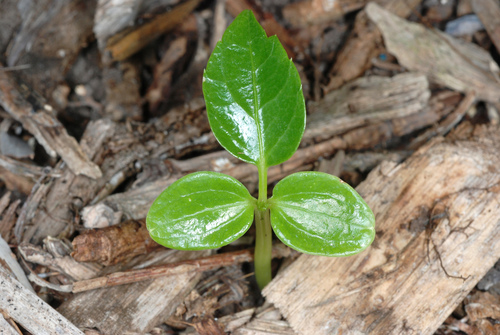
The Australian Ivy Palm is a popular indoor tree known for its large, umbrella-like leaves. It contains insoluble calcium oxalate crystals that can cause irritation upon ingestion.
Potentially toxic for cats & dogs.
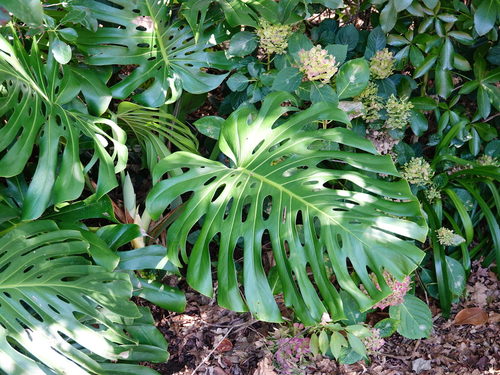
Monstera deliciosa is a popular tropical houseplant known for its large, fenestrated leaves and vining growth habit. It contains insoluble calcium oxalate crystals that can cause irritation if ingested by pets.
Potentially toxic for cats & dogs.
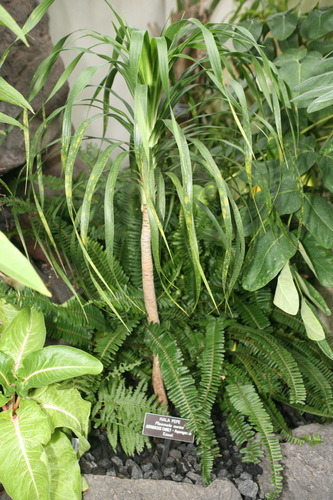
Dracaena trifasciata is a popular, hardy houseplant known for its stiff, sword-like leaves with striking yellow margins. It is widely appreciated for its air-purifying qualities and ability to thrive in various indoor conditions.
Potentially toxic for cats & dogs.
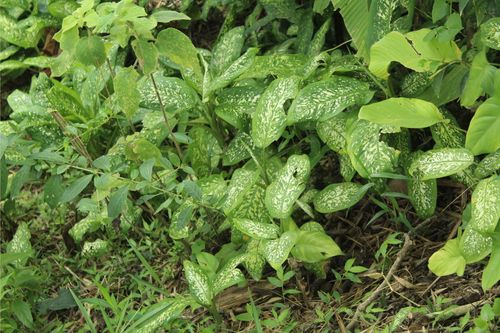
Dieffenbachia is a popular tropical houseplant known for its large, variegated leaves. It contains insoluble calcium oxalate crystals that can cause irritation if ingested or chewed.
Potentially toxic for cats & dogs.