Dogs
Potentially toxicConsulted references classify the plant as toxic or irritating for that pet type.
Verified against ASPCA/provenance audit 2026-05-06 on May 6, 2026.
Sources
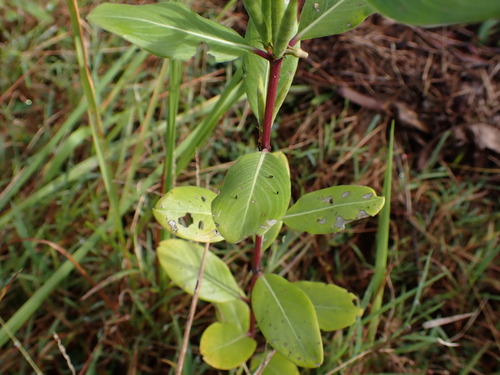
Catharanthus roseus
Catharanthus roseus is a flowering plant known for its vibrant blooms, but it contains alkaloids that are harmful if ingested by pets. It is commonly grown as an annual bedding plant or a container specimen.
Safety status
Dogs
Potentially toxicConsulted references classify the plant as toxic or irritating for that pet type.
Verified against ASPCA/provenance audit 2026-05-06 on May 6, 2026.
Sources
Madagascar periwinkle is toxic to dogs. The vinca alkaloids inside it are powerful enough to be used in human chemotherapy; in dogs, ingestion ranges from GI upset on the low end to seizures, tremors, and low blood pressure on the high end. Severe poisonings are uncommon because the plant tastes bitter, but small dogs and curious puppies are most at risk.
Vomiting and diarrhea are the typical first signs, often paired with depression and loss of coordination. With a larger dose, watch for tremors, seizures, hypotension (weakness, slow capillary refill), and rare cases of coma. Toy breeds and puppies reach toxic doses much faster than larger dogs.
Mild GI signs usually start within a few hours. Most dogs recover within 24 hours with fluids and supportive care; more serious cases may need 48 to 72 hours of monitoring.
Call Pet Poison Helpline (1-800-213-6680) or your vet as soon as you suspect ingestion. Bring the dog in immediately for any neurological signs — tremors, ataxia, seizures — or for repeated vomiting that doesn't settle within an hour or two.
Remove plant material from your dog's mouth and collect a leaf or two so the vet can confirm the species. Call Pet Poison Helpline before driving in. Do not induce vomiting unless directed.
Sources: ASPCA, Pet Poison Helpline, NC State Extension.
If a pet has chewed or swallowed plant material and is showing symptoms, contact a veterinarian or poison resource immediately. This product is for structured reference, not diagnosis.
Dogs — concern notes
Common signs
Vomiting, diarrhea, lethargy, and potential tremors or ataxia.
Escalation note
The plant contains toxic alkaloids that can cause serious illness if consumed. Seek veterinary care promptly if your dog has ingested any part of this plant.
Safer alternatives
No hand-picked alternatives for this plant yet. You can still pick your own using the Compare button on any other plant.
ASPCA Toxic Plant List
toxicology · 99% reliability
Periwinkle contains alkaloids that can cause vomiting, diarrhea, and depression in pets.
NC State Extension Plant Toolbox
botanical · 94% reliability
Catharanthus roseus is a tender perennial often grown as an annual, noted for its toxicity if ingested.
Yes, Madagascar Periwinkle (Catharanthus roseus) is toxic to dogs. It contains alkaloids that can cause vomiting, diarrhea, lethargy, and in more serious cases, tremors or ataxia. Seek veterinary care promptly if your dog has ingested any part of this plant.
Vomiting and diarrhea are typically the first signs, often paired with lethargy and loss of coordination. With a larger ingestion, watch for tremors, seizures, weakness, and slow capillary refill. Mild GI signs usually appear within a few hours; toy breeds and puppies reach toxic doses much faster than larger dogs.
Remove any plant material from your dog's mouth and collect a leaf or two so the vet can confirm the species. Call the ASPCA Animal Poison Control Center at (888) 426-4435 or Pet Poison Helpline at 1-800-213-6680 before driving in. Do not induce vomiting unless directed by a professional.
Most dogs recover within 24 hours with fluids and supportive care. More serious cases involving neurological signs — tremors, ataxia, or seizures — may require 48 to 72 hours of monitoring. Bring your dog in immediately if any neurological symptoms appear or if vomiting doesn't settle within an hour or two.
Same dog verdict
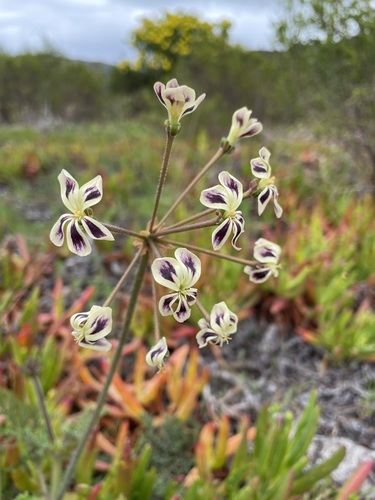
Geraniums are popular flowering plants known for their vibrant blooms and fragrant foliage. While they are common garden and container plants, they contain essential oils that can cause adverse reactions if ingested by pets.
Potentially toxic for cats & dogs.
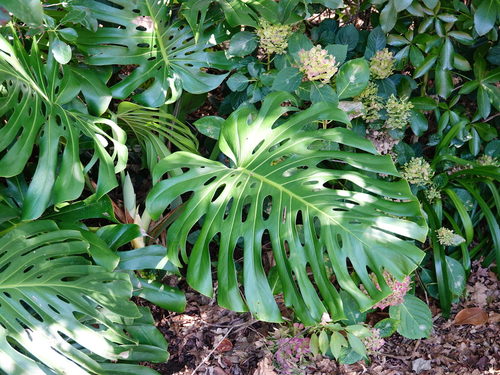
Monstera deliciosa is a popular tropical houseplant known for its large, fenestrated leaves and vining growth habit. It contains insoluble calcium oxalate crystals that can cause irritation if ingested by pets.
Potentially toxic for cats & dogs.
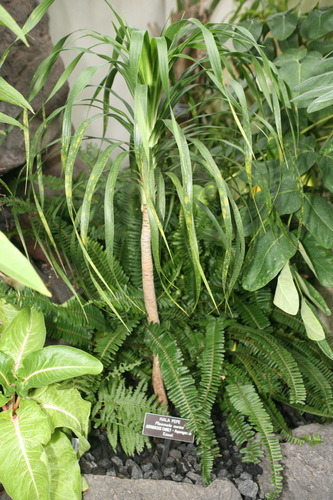
Dracaena trifasciata is a popular, hardy houseplant known for its stiff, sword-like leaves with striking yellow margins. It is widely appreciated for its air-purifying qualities and ability to thrive in various indoor conditions.
Potentially toxic for cats & dogs.
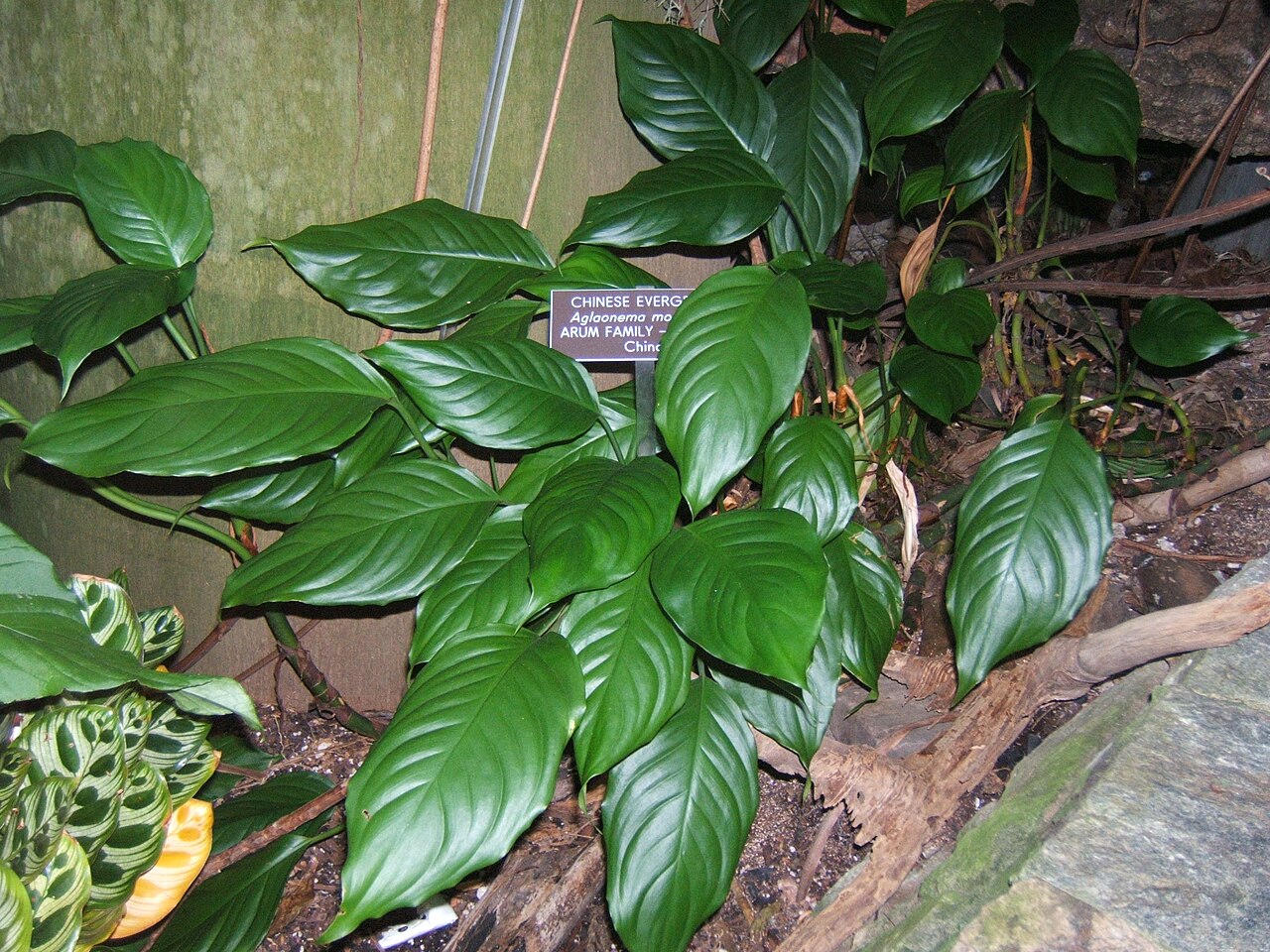
Chinese Evergreen is a popular indoor foliage plant known for its patterned leaves and tolerance of low light conditions. It contains insoluble calcium oxalate crystals that can cause irritation if ingested or chewed.
Potentially toxic for cats & dogs.