ASPCA Toxic Plant List
toxicology · 99% reliability
Mockernut Hickory is listed as non-toxic to cats and dogs.
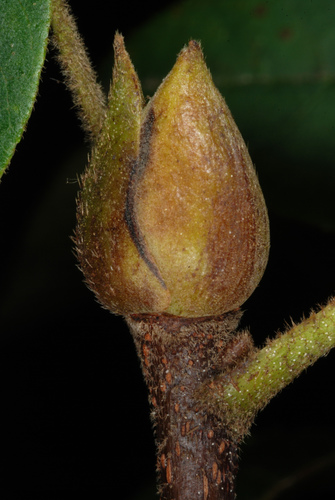
Carya tomentosa
The Mockernut Hickory is a large deciduous tree native to North America, known for its dense wood and edible nuts. It is considered non-toxic to household pets, though its fibrous nature may cause minor digestive discomfort if consumed in large quantities.
Safety status
If a pet has chewed or swallowed plant material and is showing symptoms, contact a veterinarian or poison resource immediately. This product is for structured reference, not diagnosis.
Safer alternatives
No hand-picked alternatives for this plant yet. You can still pick your own using the Compare button on any other plant.
ASPCA Toxic Plant List
toxicology · 99% reliability
Mockernut Hickory is listed as non-toxic to cats and dogs.
NC State Extension Plant Toolbox
botanical · 94% reliability
Carya tomentosa is a native tree species characterized by its large, compound leaves and hard-shelled nuts.
Same genus
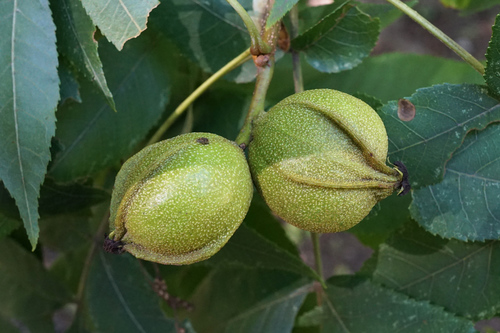
The Bitternut Hickory is a deciduous tree known for its distinctively bitter nuts and compound leaves. While generally considered safe for pets, the fibrous nature of the plant material can occasionally cause mild digestive discomfort if consumed in large quantities.
Generally safe for cats & dogs.
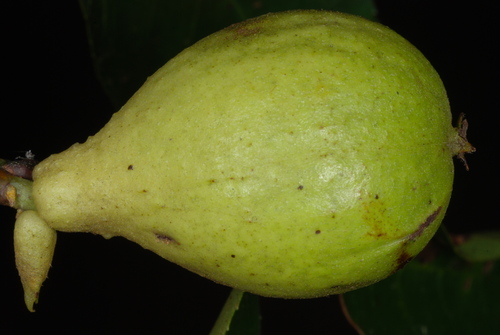
Pignut Hickory is a native North American hardwood tree known for its dense wood and small, pear-shaped nuts. It is generally considered safe for pets, though ingestion of large amounts of fibrous plant material may cause minor digestive discomfort.
Not yet rated for cats.
Generally safe for dogs.
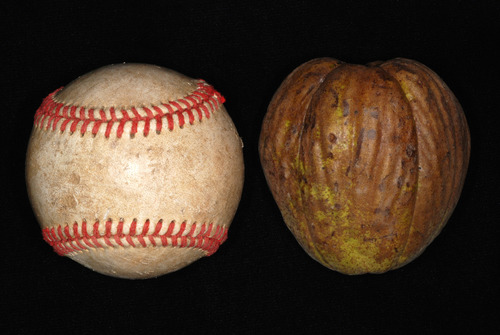
The Big Shagbark Hickory is a large deciduous tree known for its distinctive shaggy bark and edible nuts. It is considered non-toxic to pets, though ingestion of large amounts of fibrous plant material may cause minor digestive discomfort.
Generally safe for cats & dogs.
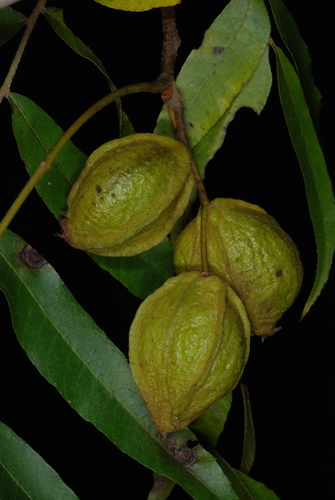
Carya aquatica is a deciduous tree native to wetlands, known for its bitter, inedible nuts and compound leaves. It is considered non-toxic to household pets, though ingestion of large amounts of plant material may cause minor digestive discomfort.
Generally safe for cats & dogs.
Same growing conditions
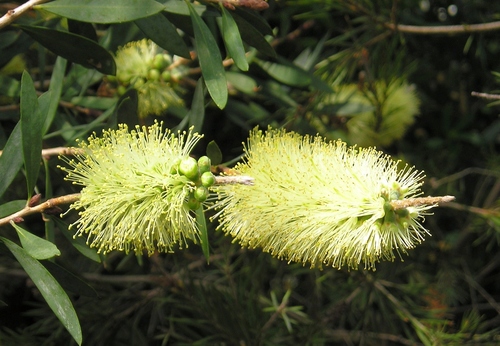
Bottlebrush is a popular ornamental shrub known for its unique, spike-like flowers that resemble traditional bottle-cleaning brushes. It is generally considered safe for household pets, though ingestion of large amounts of plant material may cause minor digestive discomfort.
Uncertain for cats.
Generally safe for dogs.
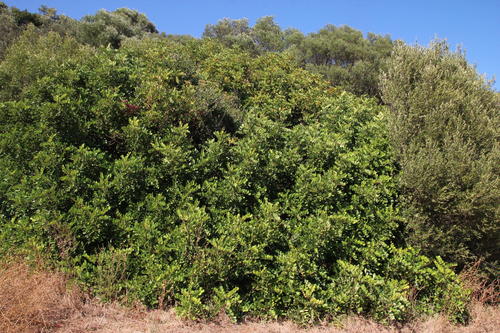
Carob is a Mediterranean evergreen tree known for its edible pods, which are commonly used as a chocolate substitute. It is considered safe for pets, though its fibrous nature may cause minor digestive discomfort if consumed in large quantities.
Generally safe for cats & dogs.
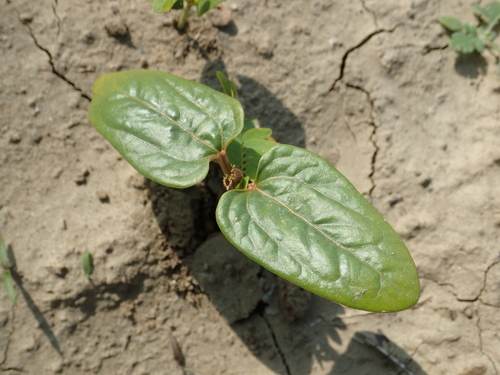
The African Wonder Tree is a fast-growing ornamental shrub known for its large, palm-like leaves and unique seed pods. It contains ricin, a highly potent toxin found throughout the plant, with the highest concentration in the seeds.
Potentially toxic for cats & dogs.

The Honey Locust is a large, deciduous tree known for its feathery foliage and long, flat seed pods. While it is considered non-toxic, the fibrous nature of the plant material may cause minor digestive discomfort if consumed in large quantities.
Generally safe for cats.
Not yet rated for dogs.