Cats
Potentially toxicConsulted references classify the plant as toxic or irritating for that pet type.
Verified against ASPCA/provenance audit 2026-05-06 on May 6, 2026.
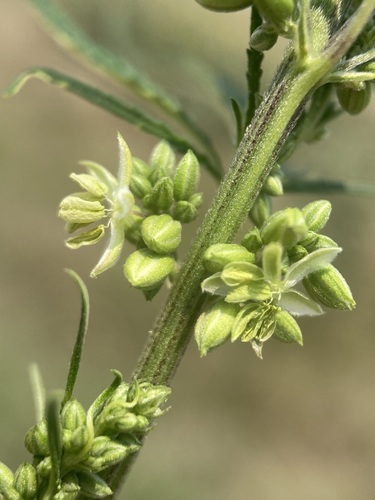
Cannabis sativa
Cannabis sativa is a flowering plant species known for its psychoactive compounds, which can cause significant physiological distress if ingested by pets. It is widely recognized as a toxic substance for both cats and dogs.
Safety status
Cats
Potentially toxicConsulted references classify the plant as toxic or irritating for that pet type.
Verified against ASPCA/provenance audit 2026-05-06 on May 6, 2026.
Cats that get into cannabis — leaf, edible, or secondhand smoke — usually develop unmistakable neurological signs within an hour: wobbly legs, glassy stare, and a startle reaction to the smallest sound or touch. THC poisoning is rarely fatal in cats, but they can stay impaired far longer than people expect.
Stumbling and incoordination, widely dilated pupils, and dribbling urine. Heightened sensitivity to noise and handling, slow heart rate, and a low body temperature. Vomiting and drooling can occur even though THC is normally anti-nausea. Severe doses — especially concentrated edibles, oils, or vape products — can bring agitation, tremors, seizures, or low blood pressure.
Signs typically appear 30 to 60 minutes after ingestion (faster with inhalation) and last 6 to 12 hours. Heavy doses or concentrated products can keep a cat impaired for up to 96 hours.
Call immediately for any seizure, severe agitation, collapse, or suspected ingestion of a concentrated product (edible, THC oil, vape cartridge), and for any worsening past the first hour. For mild wobbliness, call your vet or Pet Poison Helpline (855-764-7661) right away — vomiting is most useful within 30 to 60 minutes of ingestion, so timing matters.
Move the cat to a quiet, low-light room and minimize handling — they are acutely sensitive to noise, light, and touch while intoxicated. Block access to any remaining product. Do not induce vomiting at home; that decision belongs to the vet, and bringing the actual product or label helps them estimate the THC dose.
Sources: ASPCA, Pet Poison Helpline.
If a pet has chewed or swallowed plant material and is showing symptoms, contact a veterinarian or poison resource immediately. This product is for structured reference, not diagnosis.
Cats — concern notes
Common signs
Incoordination, dilated pupils, drooling, vomiting, and changes in heart rate or body temperature.
Escalation note
Ingestion can lead to significant neurological impairment. Please contact your veterinarian or a pet poison control center immediately if ingestion is suspected.
Safer alternatives
No hand-picked alternatives for this plant yet. You can still pick your own using the Compare button on any other plant.
Yes, cannabis (Cannabis sativa) is toxic to cats. THC and other compounds can cause significant neurological impairment, including incoordination, dilated pupils, drooling, vomiting, and changes in heart rate or body temperature.
Watch for stumbling and incoordination, widely dilated pupils, drooling, and dribbling urine. Cats become acutely sensitive to noise, light, and touch while intoxicated. Severe exposure — especially from concentrated edibles, THC oils, or vape cartridges — can escalate to tremors, seizures, low blood pressure, or dangerously low body temperature.
Move your cat to a quiet, low-light room and minimize handling. Block access to any remaining product and bring the actual product or label to the vet so they can estimate the THC dose. Do not try to induce vomiting at home — that decision belongs to the veterinarian. Call your vet or the ASPCA Animal Poison Control Center at (888) 426-4435 immediately.
Signs typically appear 30 to 60 minutes after ingestion — faster with inhalation — and usually last 6 to 12 hours. Heavy doses or concentrated products like edibles or THC oil can keep a cat impaired for up to 96 hours. Call your vet or the Pet Poison Helpline right away, since vomiting is most useful within the first 30 to 60 minutes of ingestion.
Same cat verdict
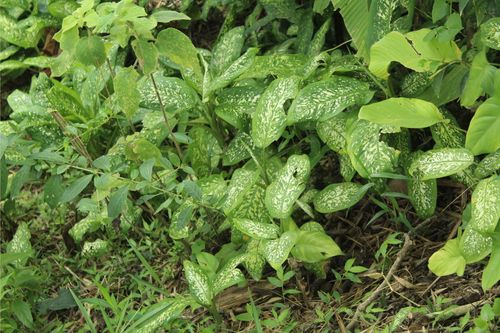
Dieffenbachia is a popular tropical houseplant known for its large, variegated leaves. It contains insoluble calcium oxalate crystals that can cause irritation if ingested or chewed.
Potentially toxic for cats & dogs.

Dracaena is a popular genus of ornamental foliage plants known for their architectural, palm-like appearance. They contain saponins which can cause gastrointestinal and neurological distress if ingested by pets.
Potentially toxic for cats & dogs.
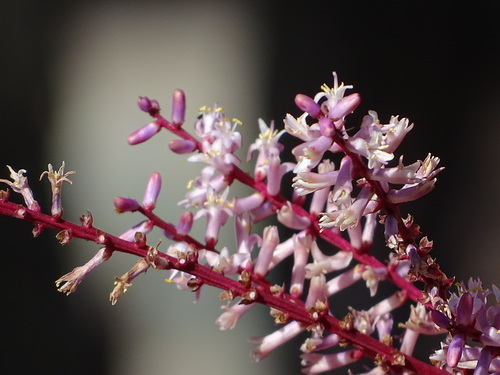
The Baby Doll Ti Plant is a popular tropical ornamental known for its vibrant, colorful foliage. It contains saponins which can cause gastrointestinal distress if ingested by pets.
Potentially toxic for cats & dogs.
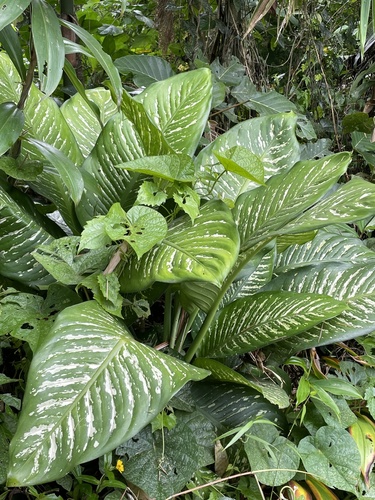
Dieffenbachia amoena is a popular tropical foliage plant known for its large, variegated leaves. It contains insoluble calcium oxalate crystals that can cause irritation if ingested or chewed.
Potentially toxic for cats & dogs.