Dogs
Potentially toxicConsulted references classify the plant as toxic or irritating for that pet type.
Verified against ASPCA/provenance audit 2026-05-06 on May 6, 2026.
Sources
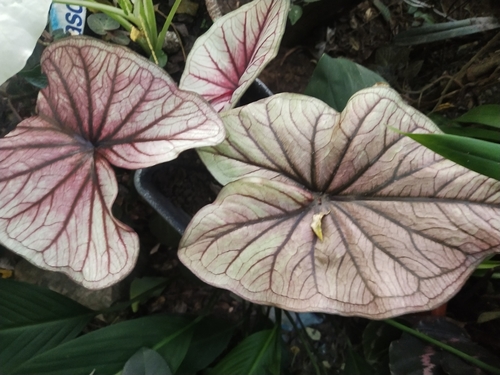
Caladium hortulanum
Caladiums are popular tropical foliage plants known for their vibrant, heart-shaped leaves. They contain insoluble calcium oxalate crystals that can cause irritation if ingested.
Safety status
Dogs
Potentially toxicConsulted references classify the plant as toxic or irritating for that pet type.
Verified against ASPCA/provenance audit 2026-05-06 on May 6, 2026.
Sources
Dogs tend to take a bigger bite than cats, so the burning irritation can look more dramatic — but caladium's calcium-oxalate sting is still local and rarely systemic. Most dogs back off after the first chew; the bigger job is monitoring drooling, retching, and any swelling around the throat.
Sudden head-shaking, pawing at the muzzle, and heavy drooling within minutes. Vomiting and gagging are common. Lips and tongue may swell visibly. Less commonly, swelling extends to the upper airway — labored breathing, change in bark, or stridor are red flags.
Signs typically appear within minutes of chewing. Drooling and oral irritation usually settle within a few hours to 24 hours; airway swelling, when it occurs, can develop unpredictably.
Call your vet, or ASPCA Poison Control at (888) 426-4435, if drooling persists more than an hour, vomiting won't stop, swelling is visible, or your dog refuses water. Any difficulty breathing or swallowing is an emergency — go immediately.
Rinse the mouth with cold water on a washcloth and clean any plant residue from the face; rinse the eyes if any sap touched them. A small amount of milk or yogurt may help bind the oxalate crystals. Do not induce vomiting unless instructed by your vet.
Sources: ASPCA, Pet Poison Helpline.
If a pet has chewed or swallowed plant material and is showing symptoms, contact a veterinarian or poison resource immediately. This product is for structured reference, not diagnosis.
Dogs — concern notes
Common signs
Oral irritation, intense burning and irritation of the mouth, tongue and lips, excessive drooling, vomiting, and difficulty swallowing.
Escalation note
Ingestion typically results in immediate discomfort due to the crystalline structure of the plant tissues. Always consult with a veterinarian if you suspect your dog has chewed or swallowed any portion of the plant.
Safer alternatives
Some links earn us a small commission. They never affect our safety classifications.
ASPCA Toxic Plant List
toxicology · 99% reliability
Caladium is toxic to both cats and dogs due to the presence of insoluble calcium oxalate crystals.
Yes, caladiums are toxic to dogs. They contain insoluble calcium oxalate crystals that cause immediate oral irritation, intense burning of the mouth, tongue, and lips, excessive drooling, vomiting, and difficulty swallowing.
Symptoms typically appear within minutes of chewing: sudden head-shaking, pawing at the muzzle, and heavy drooling are usually the first signs. Vomiting and gagging are common, and the lips and tongue may swell visibly. Less commonly, swelling can extend to the upper airway, causing labored breathing or stridor, which is an emergency.
Rinse your dog's mouth with cold water on a washcloth and remove any plant residue from the face; rinse the eyes if sap contacted them. A small amount of milk or yogurt may help bind the oxalate crystals. Do not induce vomiting unless instructed by a vet. Call your vet or ASPCA Animal Poison Control at (888) 426-4435 if drooling persists more than an hour, vomiting won't stop, swelling is visible, or your dog refuses water.
Drooling and oral irritation typically begin within minutes of chewing and usually settle within a few hours to 24 hours. Airway swelling, when it occurs, can develop unpredictably — labored breathing, a change in bark, or stridor require immediate emergency veterinary care rather than a wait-and-see approach.
Same dog verdict
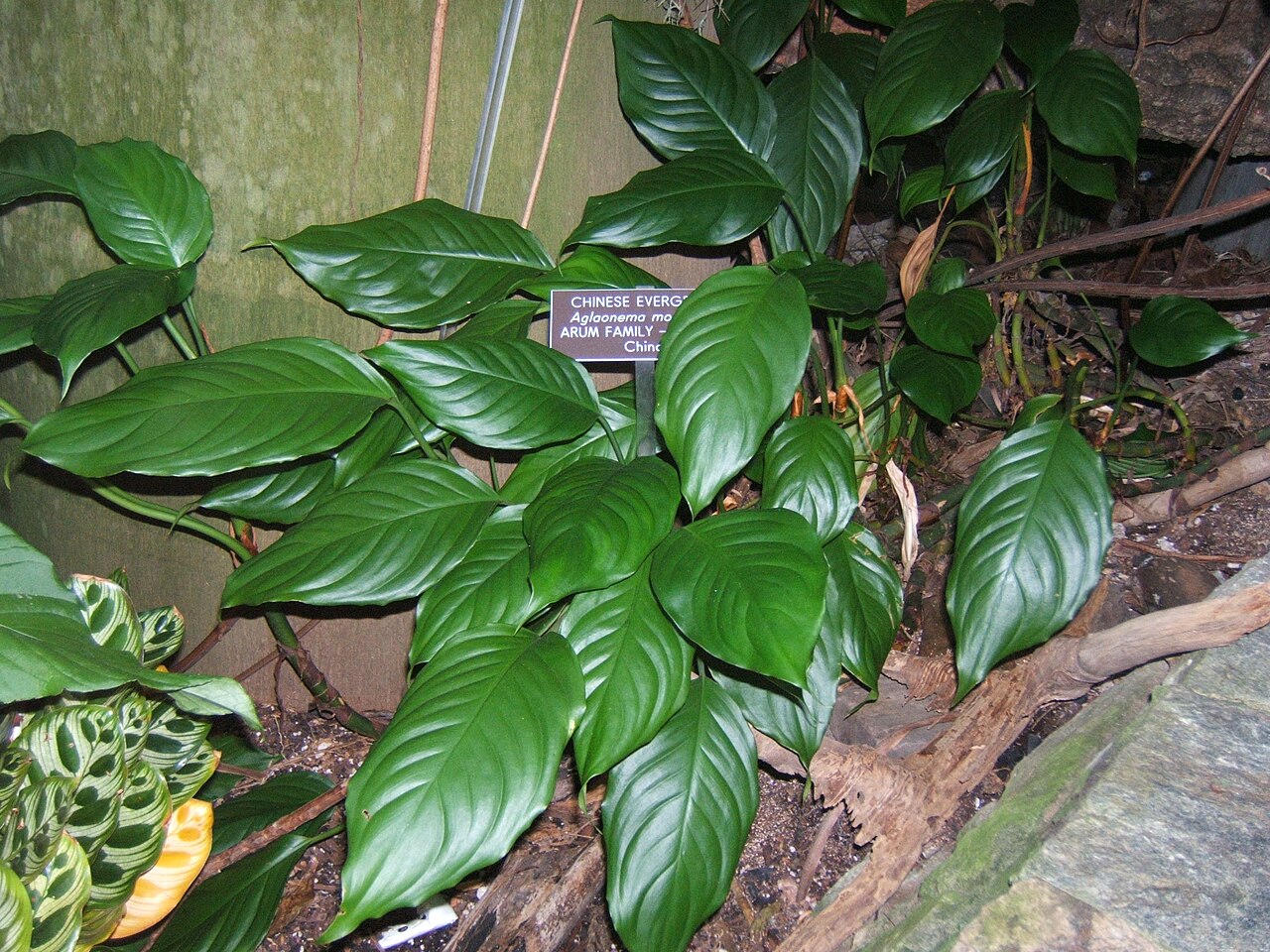
Chinese Evergreen is a popular indoor foliage plant known for its patterned leaves and tolerance of low light conditions. It contains insoluble calcium oxalate crystals that can cause irritation if ingested or chewed.
Potentially toxic for cats & dogs.
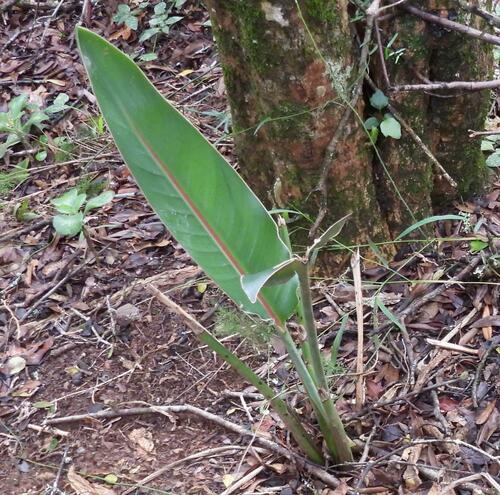
The Bird of Paradise is a popular tropical houseplant known for its striking, crane-like orange and blue flowers. While visually stunning, it contains compounds that can cause gastrointestinal distress if ingested by pets.
Potentially toxic for cats & dogs.
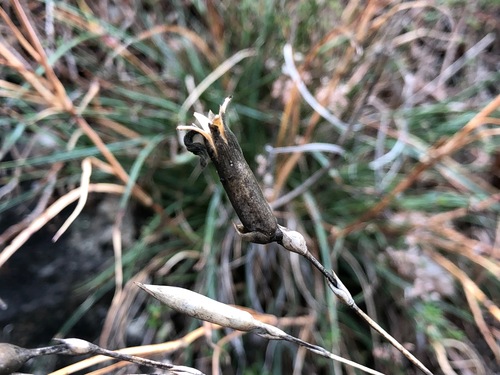
The carnation is a popular flowering plant known for its ruffled petals and spicy fragrance. While beautiful in bouquets, it contains compounds that can cause mild irritation if ingested by pets.
Potentially toxic for cats & dogs.
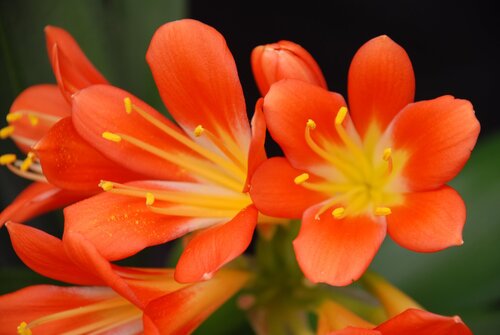
Clivia miniata is a popular flowering houseplant known for its vibrant orange or red clusters of blooms. It contains lycorine and other alkaloids that can cause gastrointestinal distress if ingested by pets.
Potentially toxic for cats & dogs.