Compare

Begonia vs. Wax Begonia: which is safe for cats and dogs?

Begonia and Wax Begonia are frequently compared or confused because they share the common name alias wax begonia, leading many pet owners to wonder if they carry different risks for their animals. Both plants are considered potentially toxic to cats and dogs due to the presence of soluble calcium oxalates. While these plants are not typically fatal, ingestion causes immediate and significant irritation to the mouth, tongue, and throat of both cats and dogs. Because both varieties contain the same harmful compounds, you should treat them with the same level of caution in any household with curious pets who may be prone to chewing on indoor greenery.

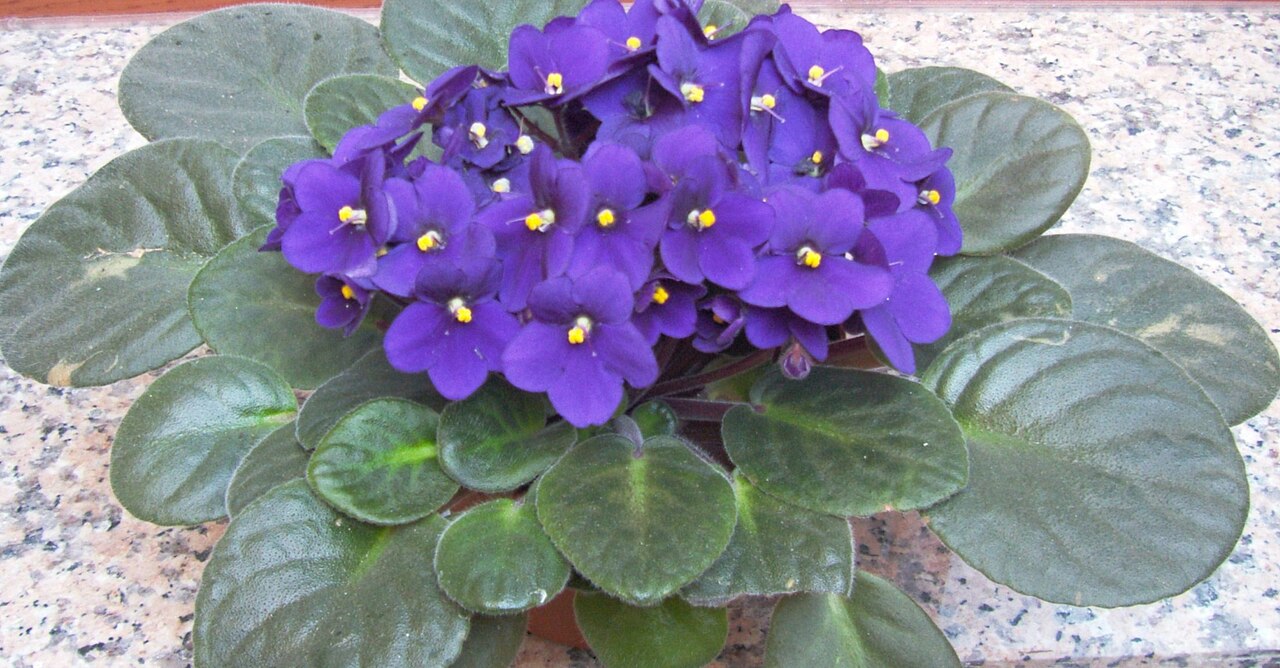
Begonia

Begonia spp.

Begonias are popular ornamental plants known for their diverse foliage and vibrant flowers. They contain soluble calcium oxalates which can cause irritation if ingested by pets.

cat

Potentially toxic

Consulted references classify the plant as toxic or irritating for that pet type.

Watch for

Excessive drooling, vomiting, difficulty swallowing, and oral irritation.

dog

Potentially toxic

Consulted references classify the plant as toxic or irritating for that pet type.

Watch for

Drooling, vomiting, decreased appetite, and irritation of the mouth, tongue, and lips.

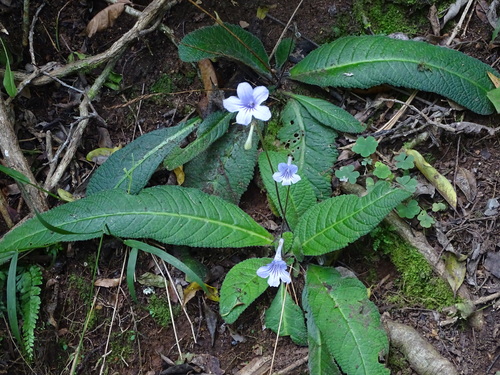
Wax Begonia

Begonia semperflorens

The Pink Pearl is a popular cultivar of wax begonia known for its waxy, succulent-like leaves and delicate pink flowers. It contains soluble calcium oxalates that can cause irritation if ingested by pets.

cat

Potentially toxic

Consulted references classify the plant as toxic or irritating for that pet type.

Watch for

Oral irritation, excessive drooling, difficulty swallowing, and vomiting.

dog

Potentially toxic

Consulted references classify the plant as toxic or irritating for that pet type.

Watch for

Intense burning and irritation of the mouth, tongue, and lips, excessive drooling, and vomiting.

Safer alternatives

Some links earn us a small commission. They never affect our safety classifications.