Dogs
Potentially toxicConsulted references classify the plant as toxic or irritating for that pet type.
Verified against ASPCA/provenance audit 2026-05-06 on May 6, 2026.
Sources
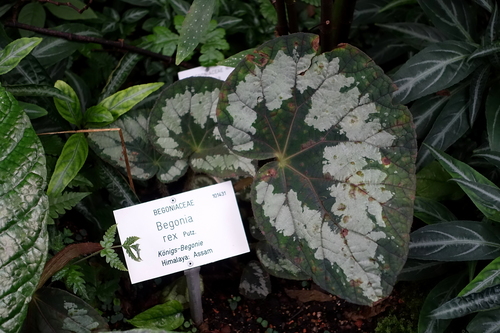
Begonia rex
The Peace Begonia is a popular ornamental houseplant prized for its vibrant, patterned foliage. It contains soluble calcium oxalates that can cause irritation if ingested by pets.
Safety status
Dogs
Potentially toxicConsulted references classify the plant as toxic or irritating for that pet type.
Verified against ASPCA/provenance audit 2026-05-06 on May 6, 2026.
Sources
Dogs that chew or chomp Rex Begonia get hit fast with intense mouth burning from soluble calcium oxalate crystals — most drop the leaf and start drooling almost immediately. The risk escalates if a dog digs up the plant and eats the tubers, which contain the highest concentration of toxin.
Heavy drooling, lip-licking, pawing at the mouth, and head-shaking within minutes of biting the plant; vomiting, retching, loss of appetite, and sometimes diarrhea. ASPCA notes that oxalate ingestion can also cause kidney signs in grazing animals — uncommon in dogs but worth flagging to your vet if a large amount was consumed.
Mouth pain and drooling start within minutes of chewing. Mild ingestions often resolve over a few hours; larger ingestions, especially of the tuber, can keep a dog uncomfortable for the better part of a day.
Call your vet right away if you see swelling around the mouth or face, difficulty swallowing or breathing, persistent vomiting, or any blood in the vomit. ASPCA Animal Poison Control: (888) 426-4435.
Sources: ASPCA (no first-aid guidance for owners).
If a pet has chewed or swallowed plant material and is showing symptoms, contact a veterinarian or poison resource immediately. This product is for structured reference, not diagnosis.
Dogs — concern notes
Common signs
Oral irritation, intense burning of the mouth, tongue and lips, excessive drooling, and vomiting.
Escalation note
Ingestion typically results in immediate discomfort due to the presence of calcium oxalate crystals. Please contact your veterinarian if ingestion is suspected.
Safer alternatives
No hand-picked alternatives for this plant yet. You can still pick your own using the Compare button on any other plant.
ASPCA Toxic Plant List
toxicology · 99% reliability
Begonia species contain soluble calcium oxalates that are toxic to dogs and cats.
NC State Extension Plant Toolbox
botanical · 94% reliability
Begonia rex is a rhizomatous perennial known for its decorative, colorful leaves.
Yes, Rex Begonia (Begonia rex) is potentially toxic to dogs. It contains soluble calcium oxalate crystals that cause immediate oral irritation, intense burning of the mouth, tongue, and lips, along with excessive drooling and vomiting if ingested.
Within minutes of chewing, dogs typically show heavy drooling, lip-licking, pawing at the mouth, and head-shaking. Vomiting, retching, loss of appetite, and sometimes diarrhea can follow. Mild cases often resolve over a few hours, but larger ingestions — especially of the tuber — can keep a dog uncomfortable for the better part of a day.
Remove any remaining plant material from your dog's mouth and offer a small amount of water to rinse the irritants out. Call the ASPCA Animal Poison Control Center at (888) 426-4435 or your veterinarian, especially if a large amount was eaten. Seek immediate veterinary care if you see swelling around the mouth or face, difficulty swallowing or breathing, persistent vomiting, or blood in the vomit.
The tuber (the underground storage root) is considered the most potent part — ingestion of the tuber can cause prolonged discomfort compared to a dog chewing on a leaf or stem. All parts of the plant contain calcium oxalate crystals and should be kept out of reach.
Same dog verdict
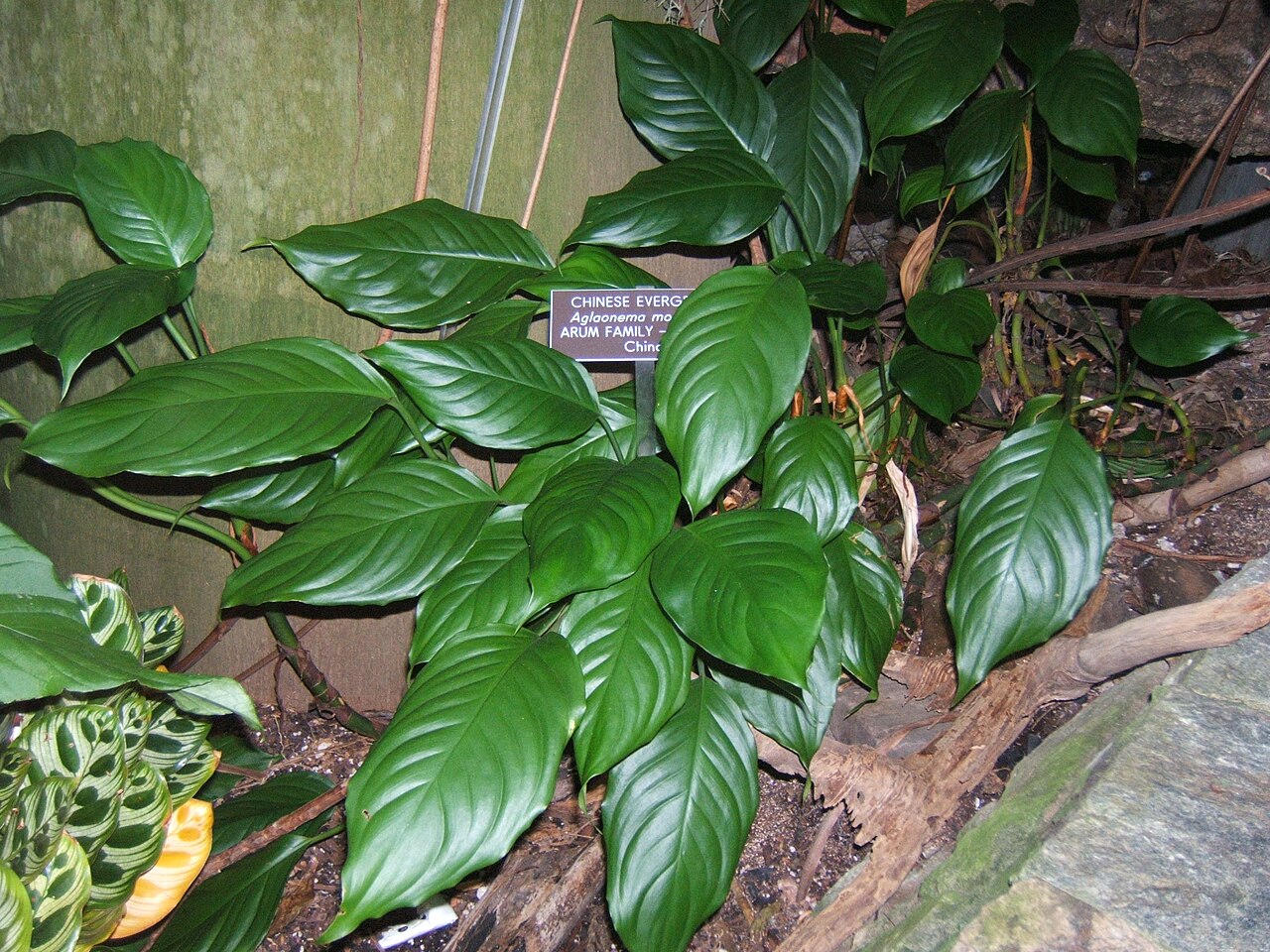
Chinese Evergreen is a popular indoor foliage plant known for its patterned leaves and tolerance of low light conditions. It contains insoluble calcium oxalate crystals that can cause irritation if ingested or chewed.
Potentially toxic for cats & dogs.
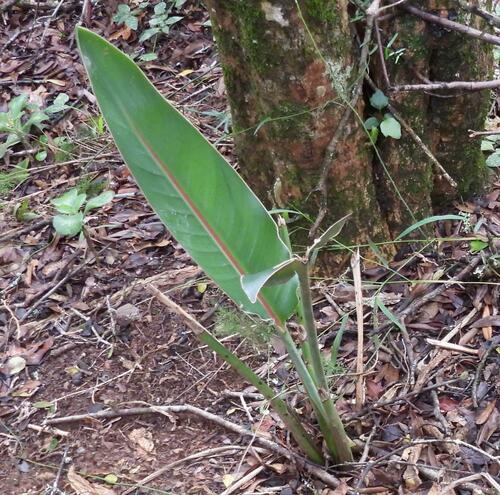
The Bird of Paradise is a popular tropical houseplant known for its striking, crane-like orange and blue flowers. While visually stunning, it contains compounds that can cause gastrointestinal distress if ingested by pets.
Potentially toxic for cats & dogs.
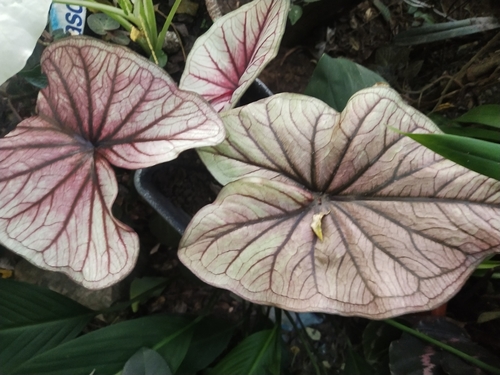
Caladiums are popular tropical foliage plants known for their vibrant, heart-shaped leaves. They contain insoluble calcium oxalate crystals that can cause irritation if ingested.
Potentially toxic for cats & dogs.