Cats
Potentially toxicConsulted references classify the plant as toxic or irritating for that pet type.
Verified against ASPCA/provenance audit 2026-05-06 on May 6, 2026.
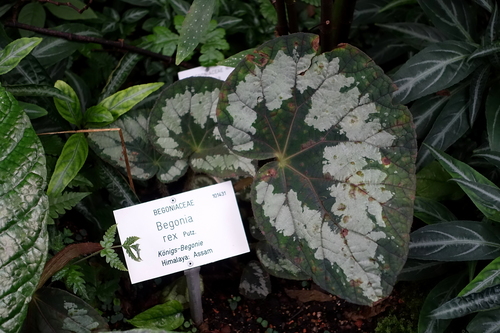
Begonia rex
The Peace Begonia is a popular ornamental houseplant prized for its vibrant, patterned foliage. It contains soluble calcium oxalates that can cause irritation if ingested by pets.
Safety status
Cats
Potentially toxicConsulted references classify the plant as toxic or irritating for that pet type.
Verified against ASPCA/provenance audit 2026-05-06 on May 6, 2026.
Cats that chew Rex Begonia leaves usually experience immediate mouth irritation rather than systemic poisoning — soluble calcium oxalate crystals released from the plant tissue burn the lips, tongue, and throat on contact. Most cats spit it out quickly because the discomfort is intense, which limits how much they actually swallow.
Drooling, pawing at the mouth, head shaking, and retching within minutes of chewing; mild swelling of the lips or tongue; reduced appetite and occasional vomiting. ASPCA notes the underground tubers carry the highest concentration of oxalates, so a cat that has dug into a pot is at higher risk than one that took a single leaf bite.
Oral irritation begins within minutes of chewing. Mild GI signs typically settle within a few hours once the plant is out of the mouth; ingestions involving the tuber can keep a cat uncomfortable for longer.
Call your vet if drooling continues more than an hour, you see swelling that affects swallowing or breathing, vomiting persists, or your cat refuses food. Call ASPCA Animal Poison Control at (888) 426-4435 if the cat ate a large piece, especially the tuber.
Sources: ASPCA (no first-aid guidance for owners).
If a pet has chewed or swallowed plant material and is showing symptoms, contact a veterinarian or poison resource immediately. This product is for structured reference, not diagnosis.
Cats — concern notes
Common signs
Oral irritation, excessive drooling, difficulty swallowing, and vomiting.
Escalation note
The plant contains soluble calcium oxalates which cause immediate irritation upon contact with the mouth and throat. Please contact your veterinarian if ingestion is suspected.
Safer alternatives
No hand-picked alternatives for this plant yet. You can still pick your own using the Compare button on any other plant.
Yes, Rex Begonia (Begonia rex) is toxic to cats. It contains soluble calcium oxalates that cause immediate oral irritation upon contact with the mouth and throat, leading to drooling, difficulty swallowing, and vomiting.
Symptoms begin within minutes of chewing and include drooling, pawing at the mouth, head shaking, retching, and mild swelling of the lips or tongue. Your cat may also show reduced appetite and occasional vomiting. Cats that dig into the pot are at higher risk because the underground tubers carry the highest concentration of oxalates.
Remove your cat's access to the plant and rinse their mouth with water if possible. Call ASPCA Animal Poison Control at (888) 426-4435, especially if your cat ate a large piece or chewed on the tuber. Call your vet if drooling continues more than an hour, you see swelling affecting swallowing or breathing, vomiting persists, or your cat refuses food.
The underground tubers contain the highest concentration of soluble calcium oxalates, making them the most dangerous part. A cat that has dug into the soil and chewed the tuber is at significantly higher risk than one that took a single bite of a leaf, and can remain uncomfortable for longer than with a minor leaf ingestion.
Same cat verdict
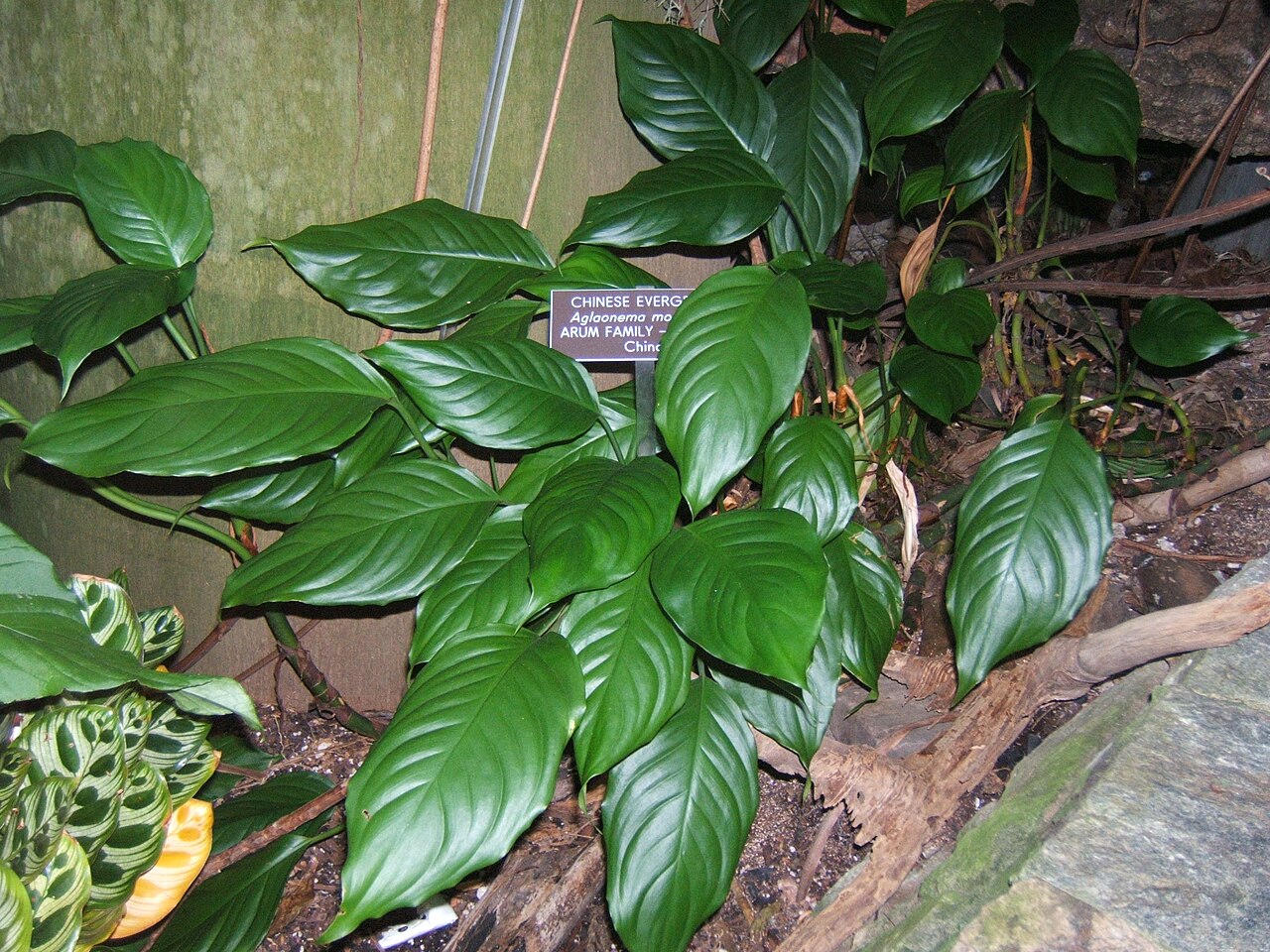
Chinese Evergreen is a popular indoor foliage plant known for its patterned leaves and tolerance of low light conditions. It contains insoluble calcium oxalate crystals that can cause irritation if ingested or chewed.
Potentially toxic for cats & dogs.
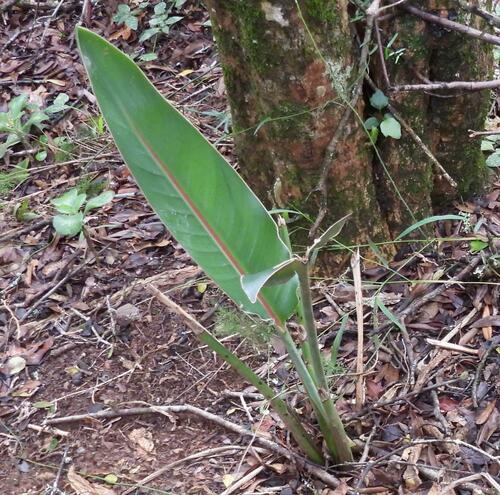
The Bird of Paradise is a popular tropical houseplant known for its striking, crane-like orange and blue flowers. While visually stunning, it contains compounds that can cause gastrointestinal distress if ingested by pets.
Potentially toxic for cats & dogs.
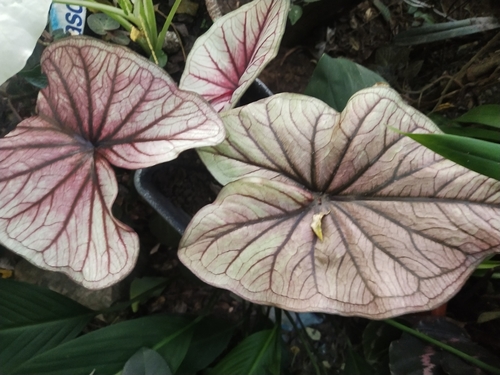
Caladiums are popular tropical foliage plants known for their vibrant, heart-shaped leaves. They contain insoluble calcium oxalate crystals that can cause irritation if ingested.
Potentially toxic for cats & dogs.