Dogs
Generally safeConsulted references do not classify the plant as toxic for that pet type, while still allowing for mild GI upset if large amounts are chewed.
Verified against ASPCA/provenance audit 2026-05-06 on May 6, 2026.
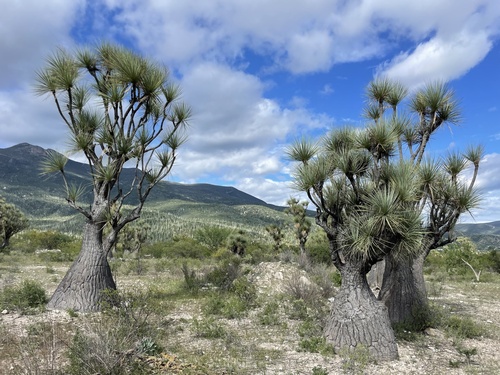
Beaucarnea recurvata
The Bottle Palm is a popular, slow-growing succulent known for its swollen, water-storing trunk and long, arching, grass-like leaves. Despite its common name, it is a member of the Asparagaceae family and is not a true palm.
Safety status
Dogs
Generally safeConsulted references do not classify the plant as toxic for that pet type, while still allowing for mild GI upset if large amounts are chewed.
Verified against ASPCA/provenance audit 2026-05-06 on May 6, 2026.
Dogs are safe around ponytail palm — ASPCA lists Beaucarnea recurvata (also "Pony Tail" or "Bottle Palm") as non-toxic, so a dog chewing the long, strappy leaves isn't a poisoning concern.
Sources: ASPCA, NC State Extension.
If a pet has chewed or swallowed plant material and is showing symptoms, contact a veterinarian or poison resource immediately. This product is for structured reference, not diagnosis.
Dogs — concern notes
Common signs
Generally asymptomatic; however, ingestion of large amounts of tough, fibrous leaves may cause mild vomiting or indigestion.
Escalation note
Classified as non-toxic. While not poisonous, the physical texture of the leaves can cause minor stomach upset if eaten in large quantities. Always consult a veterinarian if you are concerned about your pet's health.
Bring it home
Ponytail Palmis generally pet-safe in ordinary household exposure. If you’d like one for your space, here’s a starting point.
Shop on AmazonSome links earn us a small commission. They never affect our safety classifications.
ASPCA Toxic and Non-Toxic Plants List
toxicology · 99% reliability
The Ponytail Palm is listed as non-toxic to dogs by the ASPCA.
NC State Extension Gardener Plant Toolbox
botanical · 94% reliability
Beaucarnea recurvata is a succulent plant native to Mexico, often grown as a houseplant for its unique trunk structure.
No, the Ponytail Palm (Beaucarnea recurvata) is classified as non-toxic to dogs according to ASPCA provenance data. It poses no poisoning risk, though that doesn't mean it's harmless to chew on in large amounts.
The Ponytail Palm's long, tough, fibrous leaves can cause mild vomiting or indigestion if eaten in large quantities — not from any toxin, but from the physical texture of the plant material. Small nibbles are unlikely to cause any symptoms.
No part of the Ponytail Palm is chemically toxic to dogs. The main concern is the leathery, grass-like leaves: their fibrous texture can irritate the stomach or cause mechanical GI upset if a dog ingests a significant amount.
A small amount of Ponytail Palm is very unlikely to cause harm beyond possible mild stomach upset. Monitor your dog for vomiting or signs of indigestion, especially if they ate a large quantity of leaves. If symptoms persist or you're concerned, contact your veterinarian.
Same dog verdict
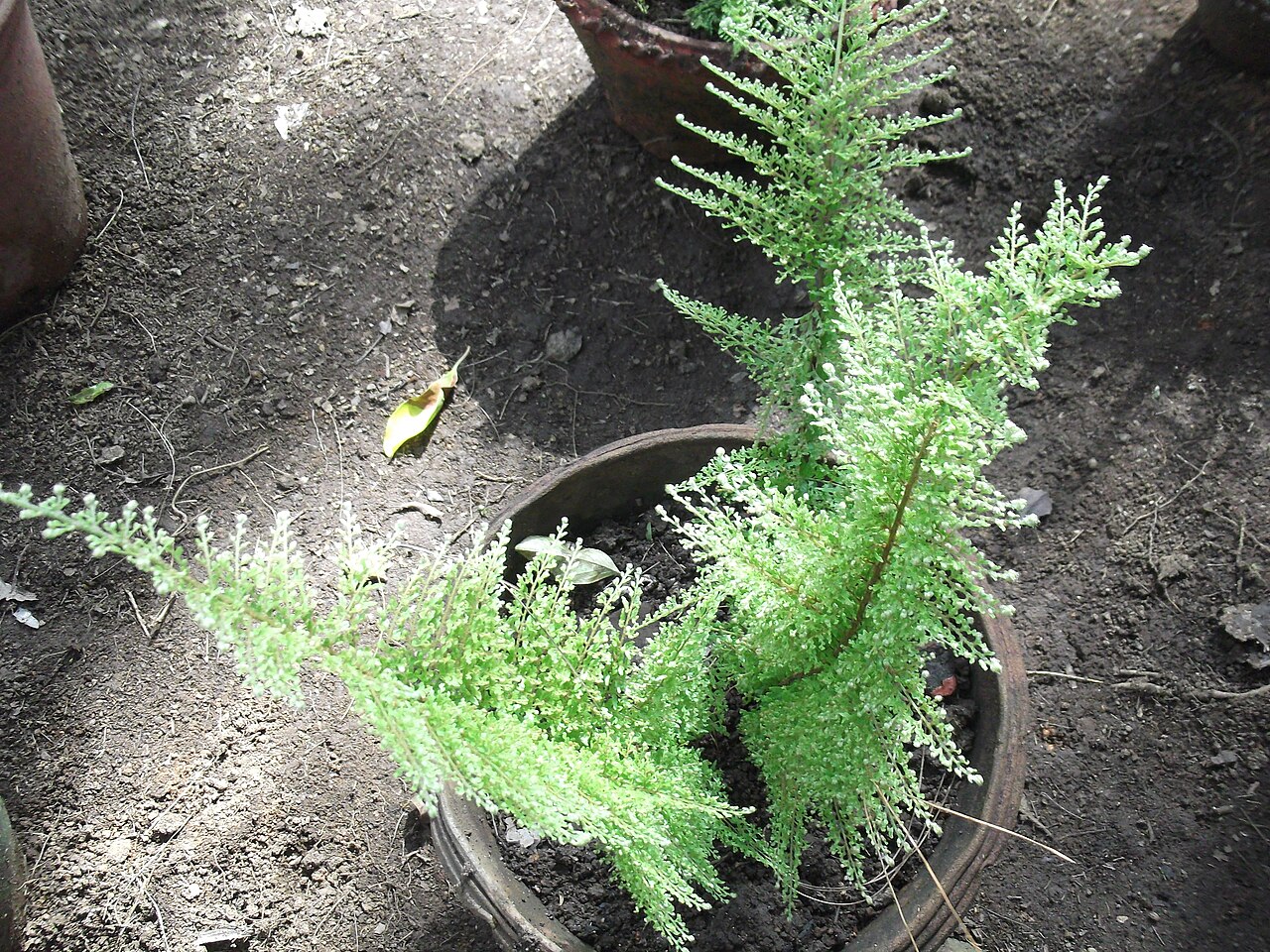
The Boston Fern is a popular, lush houseplant known for its arching fronds and preference for high humidity. It is widely considered safe for pets, though ingestion of any plant material can occasionally cause minor digestive upset.
Uncertain for cats.
Generally safe for dogs.
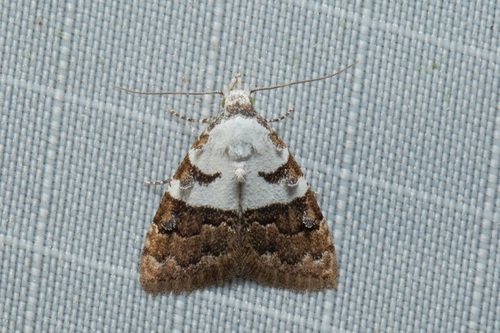
Nolina tuberculata is a slow-growing succulent plant often mistaken for a true palm due to its swollen, bottle-shaped trunk. It is generally considered a safe ornamental choice for households with pets.
Uncertain for cats.
Generally safe for dogs.
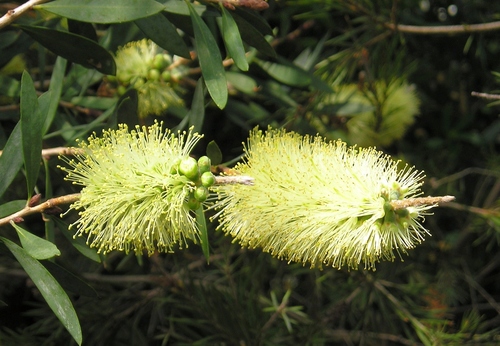
Bottlebrush is a popular ornamental shrub known for its unique, spike-like flowers that resemble traditional bottle-cleaning brushes. It is generally considered safe for household pets, though ingestion of large amounts of plant material may cause minor digestive discomfort.
Uncertain for cats.
Generally safe for dogs.
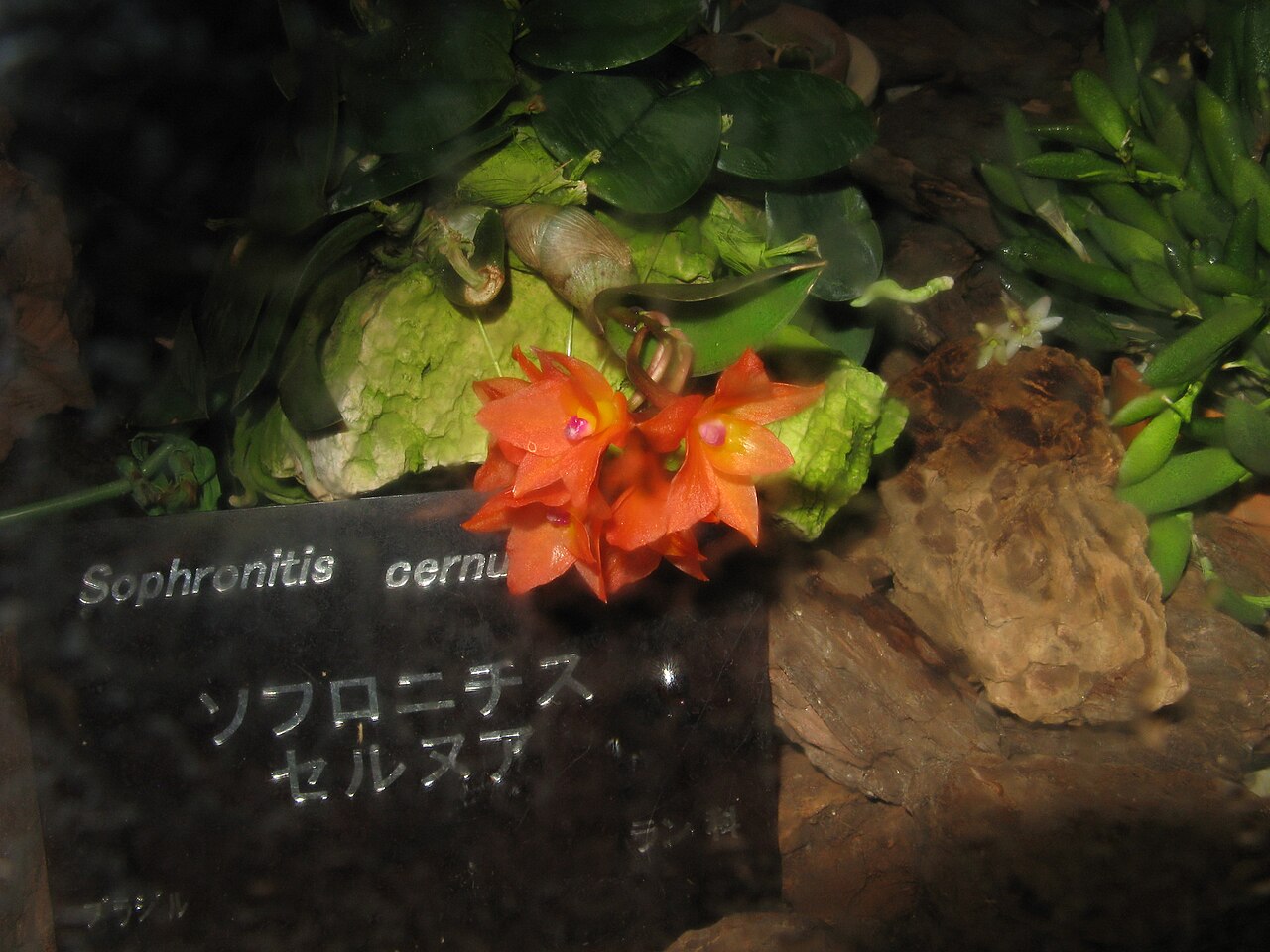
Sophronitis is a genus of small, epiphytic orchids native to Brazil, known for their vibrant, often red or orange, flowers. They are generally considered safe for household pets, though individual plant parts can cause minor digestive irritation if consumed in large quantities.
Uncertain for cats.
Generally safe for dogs.