Dogs
Potentially toxicConsulted references classify the plant as toxic or irritating for that pet type.
Verified against ASPCA/provenance audit 2026-05-06 on May 6, 2026.
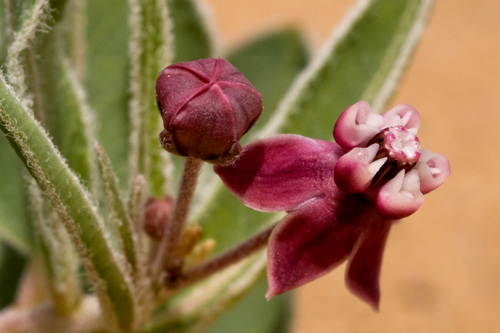
Asclepias species
Milkweed is a diverse genus of herbaceous perennials known for their milky sap and importance to pollinators. All parts of the plant are considered toxic to pets due to the presence of cardiac glycosides.
Safety status
Dogs
Potentially toxicConsulted references classify the plant as toxic or irritating for that pet type.
Verified against ASPCA/provenance audit 2026-05-06 on May 6, 2026.
Milkweed is highly toxic to dogs. Pet Poison Helpline lists more than 140 species across North America, all carrying cardiac glycosides that disrupt heart-muscle electrolyte balance — and dogs can be exposed by eating the plant directly or by snapping up monarch caterpillars feeding on it. Treat milkweed ingestion as urgent, not as a stomach-upset call.
Early signs: drooling, vomiting, profound depression, weakness, anorexia, diarrhea, abdominal pain. Progression: seizures, dyspnea, rapid weak pulse, dilated pupils, kidney or liver failure, coma, respiratory paralysis, and death in severe cases. Watch heart-rate and breathing changes especially closely.
ASPCA reports onset within 2 hours of ingestion, with signs persisting 4–5 days. Pet Poison Helpline notes most dogs that receive prompt treatment recover within a day or two in a calm environment.
Call immediately. Don't wait for symptoms — call your vet, ASPCA APCC (888-426-4435), or Pet Poison Helpline (855-764-7661) the moment you suspect any ingestion. Treatment may include activated charcoal, induced emesis, or digoxin-specific antibodies depending on timing and species.
Remove your dog from the plant and take any leaves or milky sap out of the mouth. Do NOT induce vomiting unless explicitly told to by a vet or Pet Poison Helpline — they may use activated charcoal or controlled emesis depending on how long ago the ingestion happened. Bring a piece of the plant or a photo to the clinic for identification.
Sources: ASPCA, Pet Poison Helpline.
If a pet has chewed or swallowed plant material and is showing symptoms, contact a veterinarian or poison resource immediately. This product is for structured reference, not diagnosis.
Dogs — concern notes
Common signs
Drooling, vomiting, abdominal pain, lethargy, and potential heart rate irregularities or seizures.
Escalation note
The toxins in milkweed can affect the cardiovascular and nervous systems. Seek veterinary care promptly if your dog has consumed any part of this plant.
Safer alternatives
No hand-picked alternatives for this plant yet. You can still pick your own using the Compare button on any other plant.
Yes, milkweed (Asclepias species) is toxic to dogs. All parts of the plant contain cardiac glycosides that can affect the cardiovascular and nervous systems, making prompt veterinary care essential if your dog has eaten any part of it.
Early signs include drooling, vomiting, abdominal pain, profound depression, weakness, anorexia, and diarrhea. As poisoning progresses, dogs may develop seizures, difficulty breathing, a rapid weak pulse, dilated pupils, and in severe cases kidney or liver failure, coma, or respiratory paralysis. ASPCA reports onset within 2 hours of ingestion, with signs potentially persisting 4–5 days.
Remove your dog from the plant and clear any leaves or milky sap from the mouth, then call your vet, the ASPCA Animal Poison Control Center at (888) 426-4435, or Pet Poison Helpline at (855) 764-7661 immediately — do not wait for symptoms to appear. Do NOT induce vomiting unless explicitly directed by a vet or poison helpline, as they may prefer activated charcoal or controlled emesis depending on timing. Bring a piece of the plant or a photo to the clinic for identification.
Signs can appear within 2 hours of ingestion. Most dogs that receive prompt treatment recover within a day or two in a calm, supportive environment, according to Pet Poison Helpline. Treatment may include activated charcoal, induced emesis, or digoxin-specific antibodies depending on the timing of ingestion and the Asclepias species involved — early intervention is the key factor in outcome.
Same dog verdict
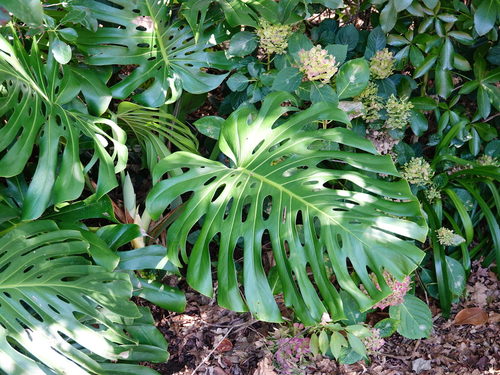
Monstera deliciosa is a popular tropical houseplant known for its large, fenestrated leaves and vining growth habit. It contains insoluble calcium oxalate crystals that can cause irritation if ingested by pets.
Potentially toxic for cats & dogs.
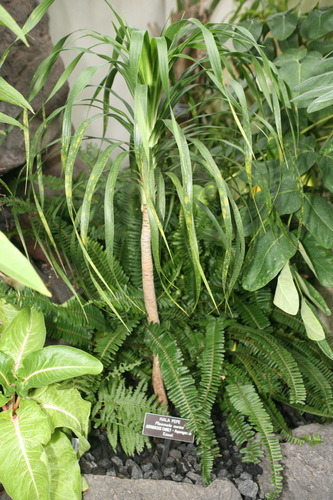
Dracaena trifasciata is a popular, hardy houseplant known for its stiff, sword-like leaves with striking yellow margins. It is widely appreciated for its air-purifying qualities and ability to thrive in various indoor conditions.
Potentially toxic for cats & dogs.
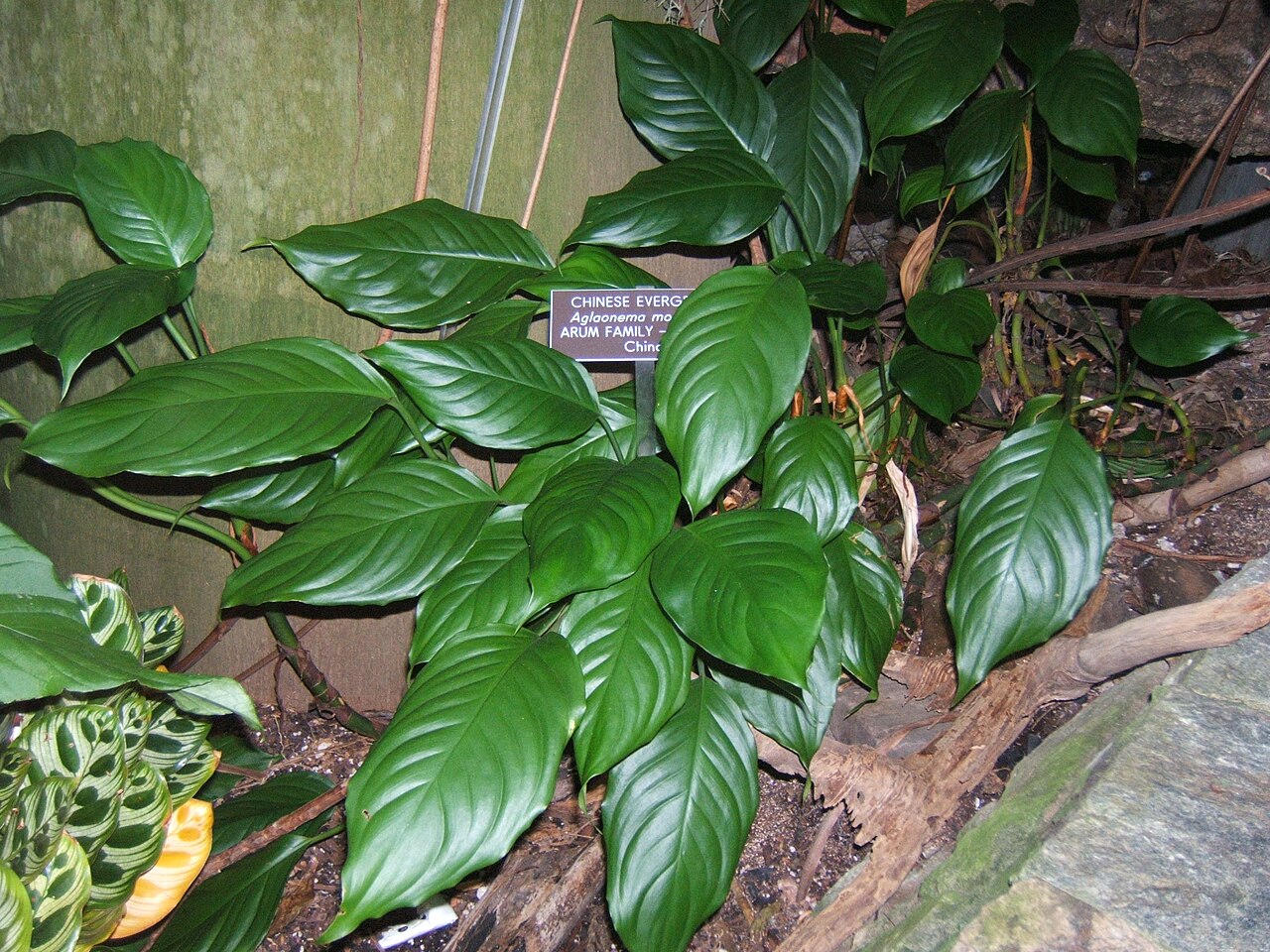
Chinese Evergreen is a popular indoor foliage plant known for its patterned leaves and tolerance of low light conditions. It contains insoluble calcium oxalate crystals that can cause irritation if ingested or chewed.
Potentially toxic for cats & dogs.
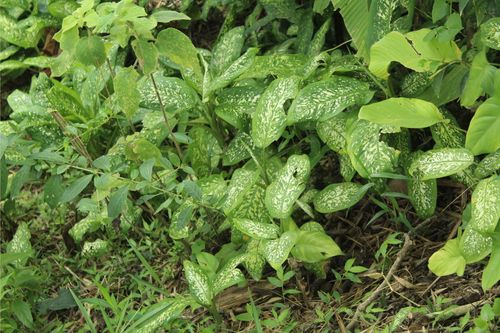
Dieffenbachia is a popular tropical houseplant known for its large, variegated leaves. It contains insoluble calcium oxalate crystals that can cause irritation if ingested or chewed.
Potentially toxic for cats & dogs.