Dogs
Potentially toxicConsulted references classify the plant as toxic or irritating for that pet type.
Verified against ASPCA/provenance audit 2026-05-06 on May 6, 2026.
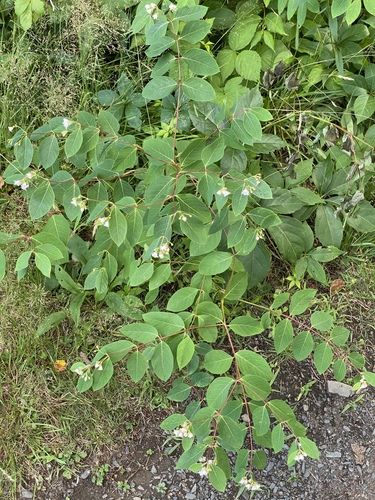
Apocynum androsaemifolium
Bitter Root is a perennial herbaceous plant known for its pink, bell-shaped flowers and milky sap. It contains cardiac glycosides that are harmful if ingested by pets.
Safety status
Dogs
Potentially toxicConsulted references classify the plant as toxic or irritating for that pet type.
Verified against ASPCA/provenance audit 2026-05-06 on May 6, 2026.
Dogs: serious cardiac risk. Pet Poison Helpline describes the cardenolide toxins as similar to digitalis or digoxin, the heart medication, and warns that ingestion interferes with electrolyte balance in heart muscle. The bitter taste deters most dogs, but any consumption needs urgent attention.
ASPCA reports diarrhea (possibly bloody), slow heart rate, and weakness. Pet Poison Helpline adds vomiting, severe cardiac arrhythmias, and possible seizures.
Specific onset and recovery durations are not documented in either source. Pet Poison Helpline recommends prompt veterinary evaluation and symptomatic treatment for any known exposure.
Call immediately on any suspected ingestion. Heart-rhythm changes may begin before any visible symptoms; weakness, collapse, or bloody diarrhea is an emergency.
Sources: ASPCA, Pet Poison Helpline (no first-aid guidance beyond contacting a vet).
If a pet has chewed or swallowed plant material and is showing symptoms, contact a veterinarian or poison resource immediately. This product is for structured reference, not diagnosis.
Dogs — concern notes
Common signs
Vomiting, diarrhea, weakness, tremors, and irregular heartbeat.
Escalation note
The plant contains toxins that affect the heart. Seek immediate veterinary attention if your dog has consumed any part of this plant.
Safer alternatives
No hand-picked alternatives for this plant yet. You can still pick your own using the Compare button on any other plant.
Yes, Spreading Dogbane (Apocynum androsaemifolium) is toxic to dogs. It contains cardiac glycosides — compounds that directly affect heart function — and any ingestion should be treated as a medical emergency.
Dogs that ingest Spreading Dogbane may show vomiting, diarrhea (possibly bloody), weakness, tremors, slow heart rate, and severe cardiac arrhythmias. Seizures are also possible, and heart-rhythm changes may begin before any outward symptoms appear.
Call your vet or the ASPCA Animal Poison Control Center at (888) 426-4435 immediately — do not wait for symptoms. Cardiac effects can begin before visible signs develop, and weakness, collapse, or bloody diarrhea indicate an escalating emergency requiring urgent care.
The plant's milky sap contains cardiac glycosides throughout its tissues, so all parts of Spreading Dogbane are considered harmful. There is no documented safe threshold — any known exposure warrants prompt veterinary evaluation.
Same dog verdict
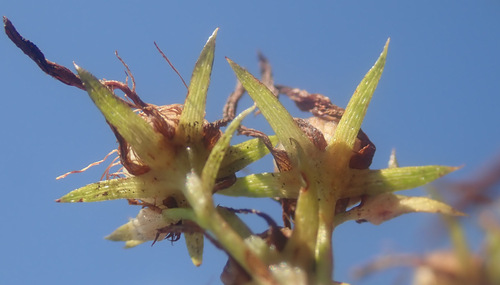
Klamath Weed is a perennial flowering plant known for its bright yellow blooms and medicinal history, but it contains compounds that can cause significant health issues if ingested by pets. It is widely recognized as a toxic plant that requires careful management in households with animals.
Potentially toxic for cats & dogs.
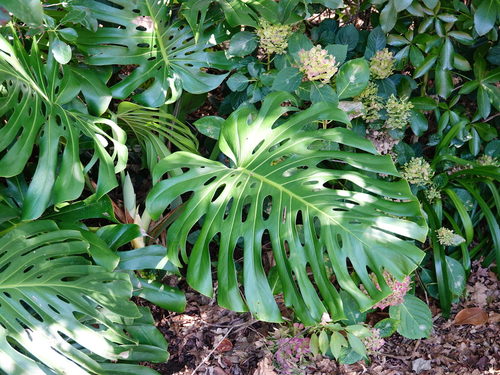
Monstera deliciosa is a popular tropical houseplant known for its large, fenestrated leaves and vining growth habit. It contains insoluble calcium oxalate crystals that can cause irritation if ingested by pets.
Potentially toxic for cats & dogs.

Dracaena trifasciata is a popular, hardy houseplant known for its stiff, sword-like leaves with striking yellow margins. It is widely appreciated for its air-purifying qualities and ability to thrive in various indoor conditions.
Potentially toxic for cats & dogs.
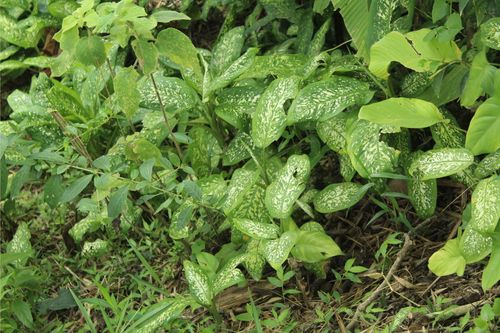
Dieffenbachia is a popular tropical houseplant known for its large, variegated leaves. It contains insoluble calcium oxalate crystals that can cause irritation if ingested or chewed.
Potentially toxic for cats & dogs.