Dogs
Potentially toxicConsulted references classify the plant as toxic or irritating for that pet type.
Verified against ASPCA/provenance audit 2026-05-06 on May 6, 2026.
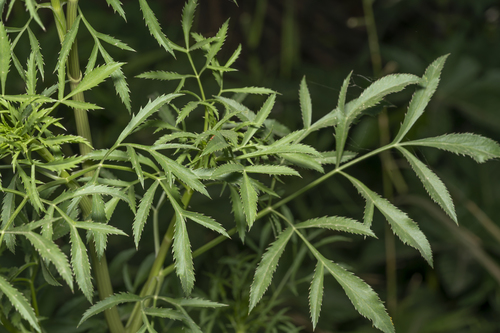
Ammi majus
Bishop's Weed is an annual herb often grown for its delicate, lace-like white flower clusters. It contains furanocoumarins which can cause skin irritation and systemic issues if ingested.
Safety status
Dogs
Potentially toxicConsulted references classify the plant as toxic or irritating for that pet type.
Verified against ASPCA/provenance audit 2026-05-06 on May 6, 2026.
Dogs — toxic. ASPCA lists Ammi majus as toxic to dogs and flags two distinct problems: oral irritation from chewing the plant, and photosensitization (sun-triggered skin damage) after ingesting the seeds or sap. Outdoor dogs that brush against or nibble the plant and then sun themselves are the highest-risk profile.
Inside the mouth, expect intense burning sensation, drooling, vomiting, and difficulty swallowing shortly after chewing. Within the next 24–72 hours of sun exposure, watch for redness, swelling, blistering, or scabbing on lightly haired skin — muzzle, ear tips, belly, and around the eyes. Some dogs squint or avoid bright light because of conjunctival irritation.
Oral signs appear within minutes of chewing. Photosensitization lesions typically develop 1–3 days after ingestion once the dog is in sunlight; resolution can take days to weeks depending on dose and sun exposure. Exact recovery timing is not well documented in the ASPCA listing.
Call your vet right away if your dog has chewed the plant and is drooling heavily, vomiting repeatedly, or refusing food, or if you see any new skin lesions, blistering, or eye irritation in the days following exposure. ASPCA Animal Poison Control: 888-426-4435. Until you reach a vet, keep the dog out of direct sunlight.
Sources: ASPCA (no first-aid guidance).
If a pet has chewed or swallowed plant material and is showing symptoms, contact a veterinarian or poison resource immediately. This product is for structured reference, not diagnosis.
Dogs — concern notes
Common signs
Skin irritation, blistering upon sun exposure, vomiting, and lethargy.
Escalation note
The plant contains compounds that increase sensitivity to sunlight and may cause internal distress. Seek veterinary care if your dog shows signs of discomfort or skin lesions.
Safer alternatives
No hand-picked alternatives for this plant yet. You can still pick your own using the Compare button on any other plant.
Yes, Bishop's Weed (Ammi majus) is potentially toxic to dogs. It contains furanocoumarins that can cause vomiting, lethargy, and — after sun exposure — painful skin blistering and photosensitization.
Chewing the plant can trigger intense mouth burning, drooling, vomiting, and difficulty swallowing within minutes. Over the following 24–72 hours, sun exposure may cause redness, swelling, blistering, or scabbing on lightly haired areas like the muzzle, ear tips, belly, and around the eyes. Some dogs also squint or show signs of eye irritation.
Keep your dog out of direct sunlight immediately — this is critical to preventing photosensitization skin lesions. Call your vet right away if your dog is drooling heavily, vomiting repeatedly, or refusing food, or if you notice any skin blistering or eye irritation in the days after exposure. You can also reach the ASPCA Animal Poison Control Center at (888) 426-4435.
Oral symptoms like drooling and vomiting appear within minutes of chewing. Skin lesions from photosensitization typically develop 1–3 days after ingestion once the dog is exposed to sunlight, and resolution can take days to weeks depending on the dose ingested and how much sun exposure occurred. Exact recovery timelines are not well documented for this plant.
Same dog verdict
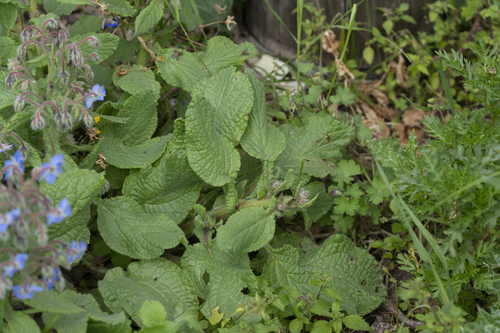
Borage is a flowering herb known for its star-shaped blue flowers and hairy foliage. While often used in culinary applications for humans, it contains pyrrolizidine alkaloids that can be harmful to pets if ingested.
Potentially toxic for cats & dogs.
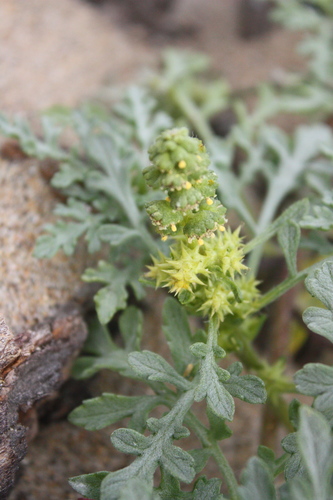
Feather Geranium is an herbaceous plant known for its aromatic, fern-like foliage. It is considered toxic to pets if ingested and should be kept out of reach of cats and dogs.
Potentially toxic for cats & dogs.
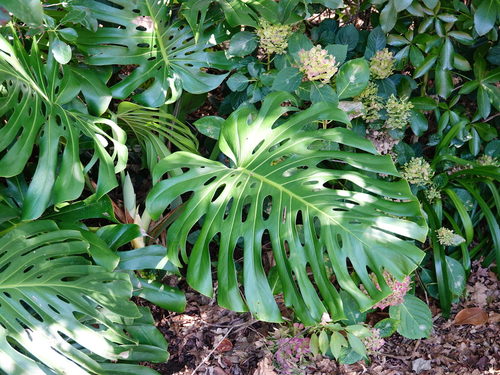
Monstera deliciosa is a popular tropical houseplant known for its large, fenestrated leaves and vining growth habit. It contains insoluble calcium oxalate crystals that can cause irritation if ingested by pets.
Potentially toxic for cats & dogs.
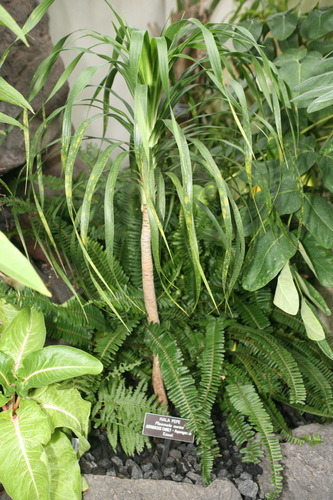
Dracaena trifasciata is a popular, hardy houseplant known for its stiff, sword-like leaves with striking yellow margins. It is widely appreciated for its air-purifying qualities and ability to thrive in various indoor conditions.
Potentially toxic for cats & dogs.