Cats
Potentially toxicConsulted references classify the plant as toxic or irritating for that pet type.
Verified against ASPCA/provenance audit 2026-05-06 on May 6, 2026.
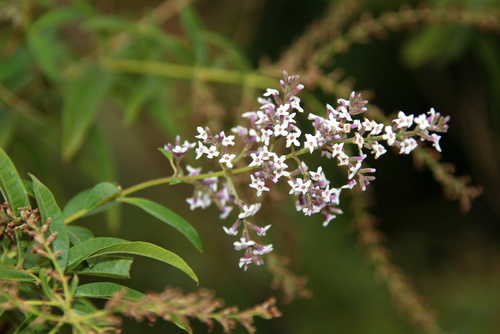
Aloysia triphylla
Lemon Verbena is a fragrant, woody shrub often grown for its citrus-scented foliage used in culinary and herbal applications. While popular in gardens, it contains essential oils that can cause adverse reactions if ingested by pets.
Safety status
Cats
Potentially toxicConsulted references classify the plant as toxic or irritating for that pet type.
Verified against ASPCA/provenance audit 2026-05-06 on May 6, 2026.
Cats should not nibble on lemon verbena. The ASPCA classifies it as toxic to cats because of its essential oils, which can irritate a cat's stomach and cause colic. Cats metabolize plant essential oils less efficiently than dogs, so even a small bite warrants attention.
Most likely signs: stomach upset (vomiting, drooling, lack of appetite) and colicky discomfort (restlessness, hunching, hiding). Reactions are usually mild, but a cat that keeps vomiting can dehydrate quickly.
Exact onset and duration aren't well documented for lemon verbena in cats; essential-oil GI upset typically begins within a few hours of ingestion and resolves once the source is removed.
Call your vet if vomiting or diarrhea continues past 12 hours, your cat refuses food at the next meal, or you see lethargy or signs of dehydration. Sooner if a kitten, senior cat, or any cat with a known illness is involved.
Sources: ASPCA (no first-aid guidance).
If a pet has chewed or swallowed plant material and is showing symptoms, contact a veterinarian or poison resource immediately. This product is for structured reference, not diagnosis.
Cats — concern notes
Common signs
Gastrointestinal upset, including vomiting, diarrhea, and potential skin irritation upon contact.
Escalation note
Ingestion may cause discomfort; please contact your veterinarian if your cat shows signs of distress or persistent vomiting.
Safer alternatives
No hand-picked alternatives for this plant yet. You can still pick your own using the Compare button on any other plant.
Yes, lemon verbena (Aloysia triphylla) is considered potentially toxic to cats. The plant's essential oils can cause gastrointestinal upset if ingested, including vomiting, diarrhea, and drooling. Skin irritation is also possible from direct contact with the foliage.
The most likely signs are stomach upset — vomiting, drooling, and loss of appetite — along with colicky discomfort that may show as restlessness, hunching, or hiding. GI symptoms typically begin within a few hours of ingestion. Reactions are usually mild, but repeated vomiting can lead to dehydration quickly.
Remove your cat's access to the plant and monitor closely. Call the ASPCA Animal Poison Control Center at (888) 426-4435 or your veterinarian if vomiting or diarrhea continues past 12 hours, your cat refuses food at the next meal, or you notice lethargy or signs of dehydration. Kittens, senior cats, or cats with existing health conditions warrant a call sooner.
Exact onset and duration aren't well documented for lemon verbena specifically, but essential-oil-related GI upset in cats typically begins within a few hours of ingestion and tends to resolve once the plant is removed from the cat's environment. If symptoms persist beyond 12 hours, contact your vet.
Same cat verdict
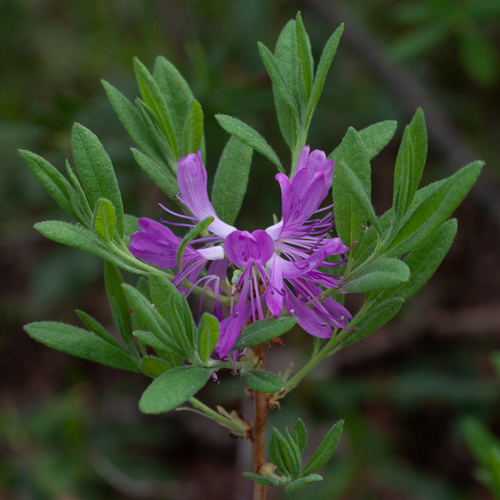
Azaleas are flowering shrubs in the Rhododendron genus that contain grayanotoxins, which can cause significant illness if ingested by pets. These plants are highly toxic and require immediate veterinary attention if consumption is suspected.
Potentially toxic for cats & dogs.
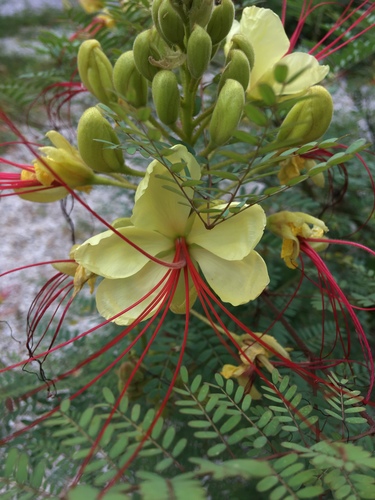
Barbados Pride is a flowering shrub known for its striking yellow flowers and long red stamens. It contains compounds that can cause gastrointestinal distress if ingested by pets.
Potentially toxic for cats & dogs.
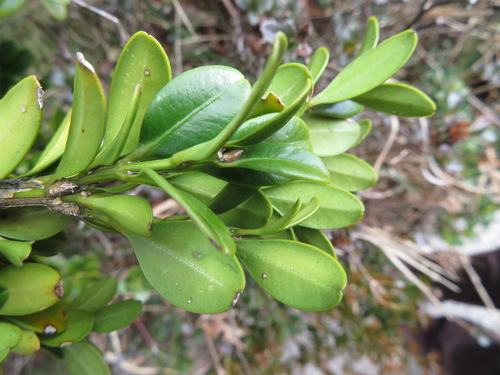
Boxwood is a popular evergreen shrub often used for hedging and topiary, containing steroidal alkaloids that can cause gastrointestinal distress if ingested. It is considered toxic to both cats and dogs.
Potentially toxic for cats & dogs.
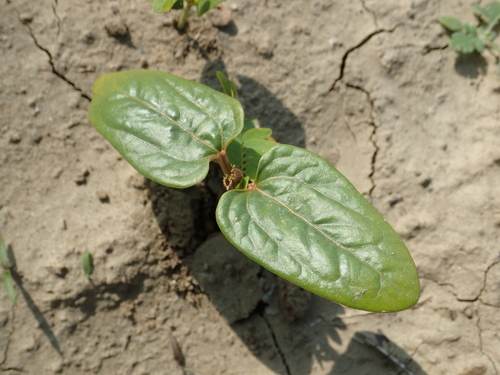
The African Wonder Tree is a fast-growing ornamental shrub known for its large, palm-like leaves and unique seed pods. It contains ricin, a highly potent toxin found throughout the plant, with the highest concentration in the seeds.
Potentially toxic for cats & dogs.