Compare

Barbados Aloe vs. Aloe Vera: which is safe for cats and dogs?

Barbados Aloe and Aloe Vera are frequently confused because they share the common name Aloe Vera, leading many pet owners to treat them as identical household plants. Regardless of which variety you bring home, it is important to know that both are considered potentially toxic to cats and dogs. Both plants contain anthraquinone glycosides, which can cause significant digestive distress if ingested by your pets. While these succulents are popular for their medicinal properties and architectural foliage, their chemical makeup makes them unsuitable for homes with curious animals. You should keep both plants well out of reach to prevent accidental ingestion and potential health complications for your pets.

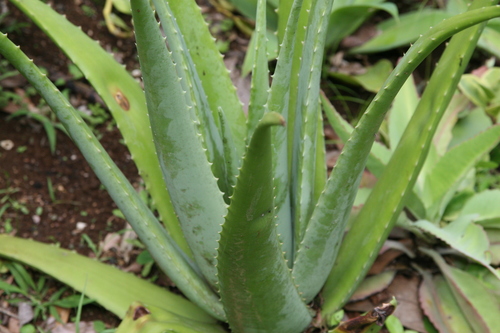
Barbados Aloe

Aloe barbadensis

Barbados Aloe is a popular succulent known for its medicinal gel, but it contains compounds that can cause digestive distress if ingested by pets. It is best kept out of reach of curious cats and dogs.

cat

Potentially toxic

Consulted references classify the plant as toxic or irritating for that pet type.

Watch for

Vomiting, diarrhea, lethargy, and changes in urine color.

dog

Potentially toxic

Consulted references classify the plant as toxic or irritating for that pet type.

Watch for

Vomiting, diarrhea, tremors, and loss of appetite.
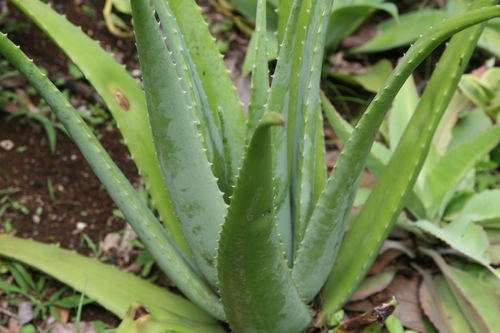
Aloe Vera

Aloe vera

Aloe vera is a popular succulent known for its medicinal gel, but it contains compounds that can cause digestive distress if ingested by pets. It is widely grown as a houseplant for its architectural foliage and low-maintenance care requirements.

cat

Potentially toxic

Consulted references classify the plant as toxic or irritating for that pet type.

Watch for

Vomiting, diarrhea, lethargy, and changes in urine color.

dog

Potentially toxic

Consulted references classify the plant as toxic or irritating for that pet type.

Watch for

Vomiting, diarrhea, lethargy, and tremors in rare cases.

Safer alternatives

Some links earn us a small commission. They never affect our safety classifications.