Dogs
Potentially toxicConsulted references classify the plant as toxic or irritating for that pet type.
Verified against ASPCA/provenance audit 2026-05-06 on May 6, 2026.
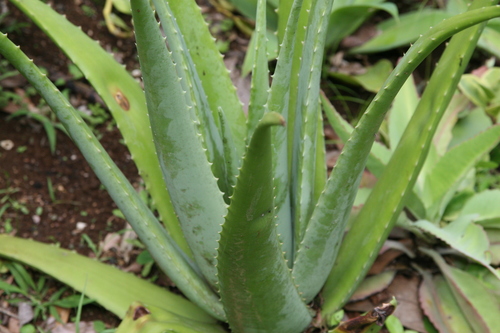
Aloe barbadensis
Barbados Aloe is a popular succulent known for its medicinal gel, but it contains compounds that can cause digestive distress if ingested by pets. It is best kept out of reach of curious cats and dogs.
Safety status
Dogs
Potentially toxicConsulted references classify the plant as toxic or irritating for that pet type.
Verified against ASPCA/provenance audit 2026-05-06 on May 6, 2026.
Dogs that nibble Barbados Aloe (a synonym for true aloe / Aloe vera) commonly develop GI upset from saponins and anthraquinone glycosides concentrated in the latex layer just beneath the leaf skin. The reaction is usually mild to moderate, but a larger ingestion can cause more pronounced lethargy and dehydration, so it is worth a call any time your dog ate more than a small mouthful.
Most dogs show vomiting and diarrhea, sometimes with lethargy or loss of appetite. ASPCA also lists changes in urine color (the latex contains compounds that can pigment urine red or pink) and, rarely, tremors. Repeated vomiting, ongoing diarrhea, or any neurologic signs after a larger ingestion are the most concerning.
Onset is typically within a few hours of ingestion. Specific recovery duration is not detailed in ASPCA's listing; uncomplicated GI signs generally settle within 24 to 48 hours with supportive care.
Call your veterinarian or ASPCA Animal Poison Control (888-426-4435) any time vomiting or diarrhea is repeated, you notice red or pink urine, or your dog seems unusually weak or wobbly. Call right away if a small dog ate a substantial amount, or if you see any tremors.
Remove any plant material from your dog's mouth and offer fresh water. Do not induce vomiting at home — Pet Poison Helpline specifically warns owners not to administer hydrogen peroxide or improvised antidotes without first speaking to a veterinary professional. Have the plant's name (Aloe barbadensis / Aloe vera) ready when you call.
Sources: ASPCA, Pet Poison Helpline.
If a pet has chewed or swallowed plant material and is showing symptoms, contact a veterinarian or poison resource immediately. This product is for structured reference, not diagnosis.
Dogs — concern notes
Common signs
Vomiting, diarrhea, tremors, and loss of appetite.
Escalation note
The plant contains anthraquinone glycosides which are irritating to the digestive tract. Consult a veterinarian immediately if ingestion occurs.
Safer alternatives
No hand-picked alternatives for this plant yet. You can still pick your own using the Compare button on any other plant.
Kew Plants of the World Online
botanical · 95% reliability
Accepted scientific name for Aloe barbadensis Mill.
Yes, Barbados Aloe (Aloe barbadensis) is potentially toxic to dogs. The plant contains anthraquinone glycosides that irritate the digestive tract and can cause vomiting, diarrhea, loss of appetite, and in some cases tremors or changes in urine color.
Most dogs develop vomiting and diarrhea within a few hours of ingestion, often accompanied by lethargy or loss of appetite. Watch also for red or pink urine — the latex in aloe contains pigmenting compounds — and, rarely, tremors. Uncomplicated GI signs typically resolve within 24 to 48 hours with supportive care.
Remove any remaining plant material from your dog's mouth and offer fresh water. Do not induce vomiting at home — Pet Poison Helpline specifically warns against giving hydrogen peroxide or other improvised antidotes without speaking to a professional first. Call your veterinarian or ASPCA Animal Poison Control at (888) 426-4435 and have the plant's name (Aloe barbadensis / Aloe vera) ready.
The toxic compounds — anthraquinone glycosides — are found in the latex layer just beneath the outer leaf skin, not in the clear inner gel. However, the whole plant should be kept away from dogs since it is difficult to separate the latex from the rest of the leaf during chewing.
Same dog verdict
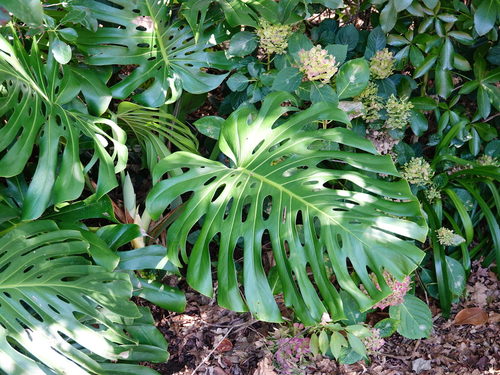
Monstera deliciosa is a popular tropical houseplant known for its large, fenestrated leaves and vining growth habit. It contains insoluble calcium oxalate crystals that can cause irritation if ingested by pets.
Potentially toxic for cats & dogs.
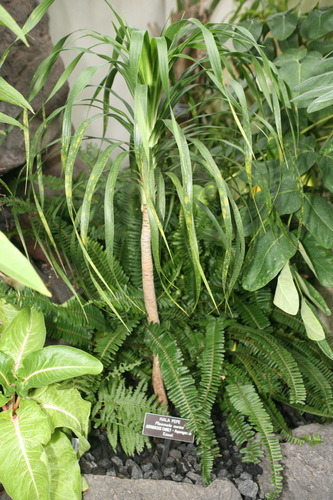
Dracaena trifasciata is a popular, hardy houseplant known for its stiff, sword-like leaves with striking yellow margins. It is widely appreciated for its air-purifying qualities and ability to thrive in various indoor conditions.
Potentially toxic for cats & dogs.
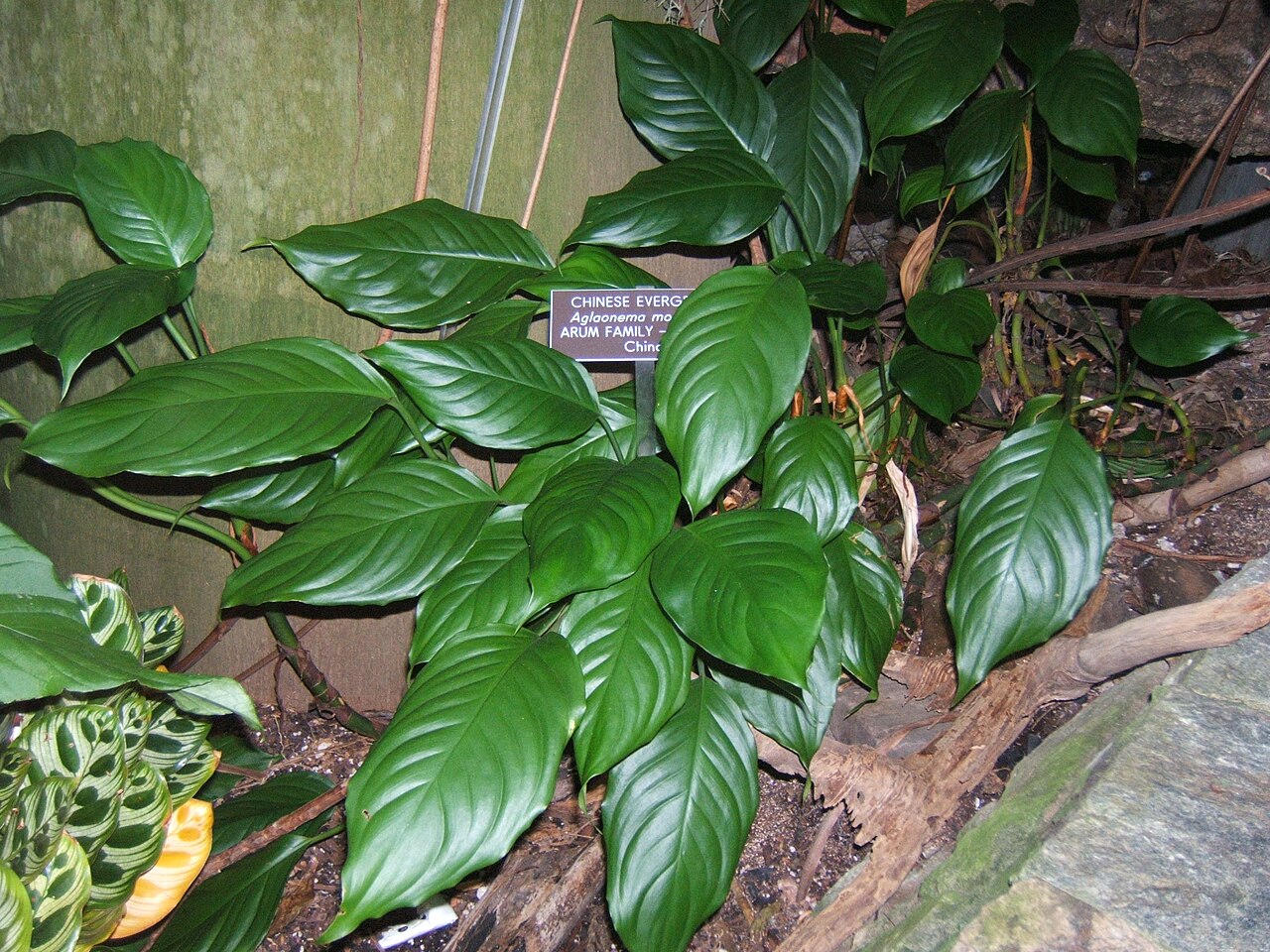
Chinese Evergreen is a popular indoor foliage plant known for its patterned leaves and tolerance of low light conditions. It contains insoluble calcium oxalate crystals that can cause irritation if ingested or chewed.
Potentially toxic for cats & dogs.
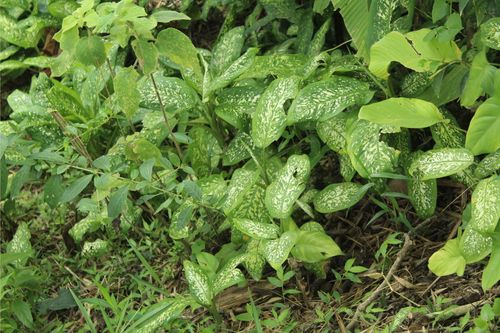
Dieffenbachia is a popular tropical houseplant known for its large, variegated leaves. It contains insoluble calcium oxalate crystals that can cause irritation if ingested or chewed.
Potentially toxic for cats & dogs.